
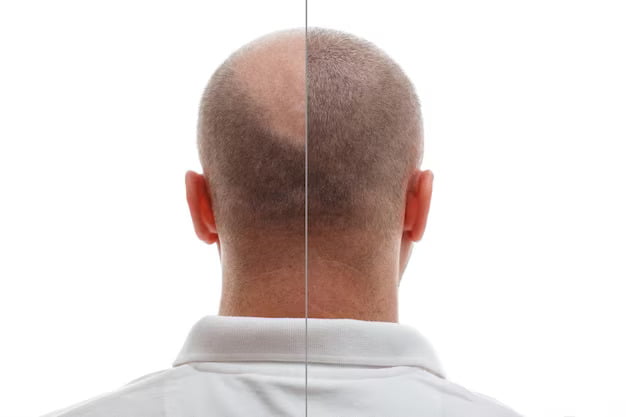
Hair loss is a concern that touches millions of people worldwide, regardless of age or gender. It not only affects physical appearance but can also influence self-esteem and emotional well-being. Fortunately, modern science, combined with lifestyle awareness, offers many ways to address this issue. From natural approaches to advanced medical solutions, the range of hair loss treatments continues to grow. Understanding these options helps you choose what fits your needs best.

Sometimes, the first step in managing hair thinning starts with daily habits. Healthy routines strengthen the scalp, improve blood circulation, and support hair growth naturally.
Your hair reflects what you eat. Consuming foods rich in protein, iron, zinc, and vitamins A, D, and E supports follicle health. Including leafy greens, nuts, fatty fish, and lean meats can help reduce hair shedding.
Chronic stress is a major trigger for hair thinning. Practicing mindfulness, yoga, or regular physical exercise can calm your mind while protecting your follicles. Consistent sleep patterns also help regulate hormones that influence hair growth.
Clean scalp conditions are essential. Using mild shampoos and avoiding excessive heat styling can keep hair stronger. Massaging the scalp improves blood flow and stimulates follicles.
Smoking, poor hydration, and overuse of harsh chemicals weaken hair roots. Replacing these habits with healthier choices may slow down hair thinning.

While lifestyle changes make a difference, some cases require advanced treatments. Medical science provides several methods that directly target hair loss causes.
Two of the most well-known FDA-approved options are:
These treatments can be effective but require consistency and medical guidance.
Beyond minoxidil, dermatologists recommend shampoos containing ketoconazole or caffeine-based products that may improve scalp health. Natural oils like rosemary or peppermint oil also show promising results.
Hair transplant surgery is a popular solution for permanent results. Techniques like Follicular Unit Extraction (FUE) and Follicular Unit Transplantation (FUT) move healthy follicles to thinning areas. Though costly, these methods provide natural-looking outcomes.
Not everyone wants medical or surgical intervention. Many turn to natural solutions that support hair strength over time.
These approaches are often used alongside medical treatments for enhanced results.
The best results come from consistency. Prevention strategies focus on preserving existing hair and maintaining results after treatments.
Maintaining a routine helps minimize future issues and sustain improvements.
Here’s a quick overview of popular solutions, their effectiveness, and considerations:
| Treatment Type | Examples | Effectiveness | Cost Level | Maintenance |
|---|---|---|---|---|
| Lifestyle Changes | Nutrition, stress control, scalp care | Moderate, preventive | Low | Continuous |
| Medications | Minoxidil, Finasteride | High if consistent | Medium | Daily use |
| Topical Solutions | Ketoconazole shampoo, essential oils | Moderate | Low | Ongoing |
| Surgical Options | FUE, FUT | Very High, permanent | High | Follow-up care |
| Innovative Therapies | PRP, laser therapy | Promising | Medium-High | Multiple sessions |
The effectiveness depends on the cause. Medications like minoxidil and finasteride are widely proven. For advanced cases, hair transplant surgery often provides permanent results.
Lifestyle improvements may not fully stop genetic hair loss, but they significantly slow down shedding and improve hair quality.
Most natural remedies are safe, but allergic reactions or scalp sensitivity can occur. Testing small amounts first and consulting a dermatologist is recommended.
Results vary. Medications often require 3–6 months, while surgical solutions show improvements within a year. Natural remedies may take longer but support overall scalp health.
