
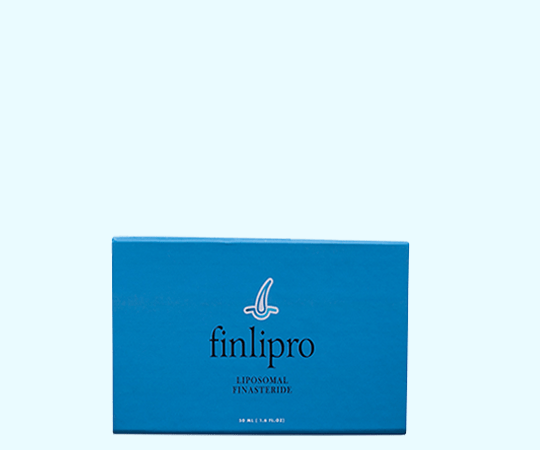
Hair loss affects millions of people worldwide, impacting confidence and daily life. Traditional hair loss treatments, such as oral finasteride and topical solutions, often come with limitations and side effects. Liposomal finasteride emerges as a next-generation approach, combining advanced drug delivery with targeted effectiveness. This innovative solution aims to maximize results while minimizing systemic exposure, making it a promising option for those struggling with hair thinning or androgenetic alopecia.
 What Is Liposomal Technology?
Liposomal technology uses microscopic lipid vesicles called liposomes to encapsulate active ingredients. These vesicles mimic natural cell membranes, allowing better penetration through the skin and scalp. Unlike traditional formulations, liposomal delivery protects the active compound from degradation, ensuring it reaches hair follicles more efficiently.
Liposomal encapsulation not only enhances absorption but also offers a sustained release of the active ingredient. This means finasteride can act locally for longer periods, reducing the frequency of application. The technology draws from decades of pharmaceutical research, previously used in oncology and dermatology, now revolutionizing hair loss treatments.
Key benefits of liposomal technology:
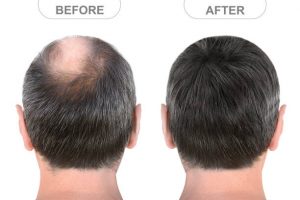
Standard topical finasteride formulations rely on simple solutions or gels, which often struggle to penetrate deep into the scalp. Liposomal finasteride addresses this challenge effectively. By encapsulating the active ingredient, liposomes ensure more finasteride reaches the target site directly.
Additional advantages include:
| Feature | Standard Topical Finasteride | Liposomal Finasteride |
|---|---|---|
| Follicle Penetration | Moderate | High |
| Systemic Side Effects | Moderate Risk | Low Risk |
| Application Frequency | Daily | 2–3 times/week possible |
| Stability | Prone to degradation | Highly stable due to encapsulation |
| Scalp Irritation | Possible | Reduced |
Hair loss often results from the miniaturization of hair follicles due to DHT (dihydrotestosterone). Finasteride inhibits the enzyme 5-alpha-reductase, which converts testosterone into DHT, reducing follicle shrinkage. Liposomal delivery enhances this effect by ensuring more finasteride reaches the hair follicle.
The liposomal vesicles fuse with scalp cells, releasing the active ingredient precisely where it is needed. This targeted mechanism means users experience enhanced hair density and thickness without the systemic exposure common in oral medications.
Additionally, liposomal finasteride can be combined with other topical hair growth solutions, creating a synergistic effect that accelerates results. Studies suggest patients notice visible improvements in as little as three to six months when consistently applied.
Using liposomal finasteride correctly maximizes results and minimizes risks. Here’s a step-by-step approach:
Consistency plays a key role. Skipping applications may reduce effectiveness and slow progress. Most users see significant improvement within six to twelve months.
Although liposomal finasteride minimizes systemic absorption, users should remain aware of potential reactions:
Healthcare professionals recommend monitoring hair growth progress and consulting if unusual reactions occur.
For optimal hair restoration, combining therapies often provides superior results. Liposomal finasteride works well alongside:
This integrative approach ensures a holistic strategy for hair regrowth, addressing multiple pathways simultaneously.
Liposomal finasteride suits individuals experiencing:
It is not recommended for women who are pregnant or breastfeeding, as finasteride can affect fetal development.
Proper storage maintains product stability and potency:
Following these guidelines ensures that the finasteride retains maximum effectiveness for months.
Beyond stimulating hair regrowth, liposomal finasteride offers additional scalp health benefits:
These benefits make it not just a treatment for hair loss, but a comprehensive scalp care solution.
Liposomal finasteride is a topical treatment that contains finasteride and uses liposomal technology to deliver the active ingredient directly to hair follicles. It reduces DHT production, preventing hair loss and increasing hair density.
Compared to oral finasteride, side effects are minimal. Some users may experience mild scalp irritation or temporary shedding.
Most users notice visible improvements within 3–6 months of consistent use. Maximum benefits are typically observed after 6–12 months.
Yes. When combined with minoxidil, PRP, or laser therapy, liposomal finasteride can deliver more effective results.
