
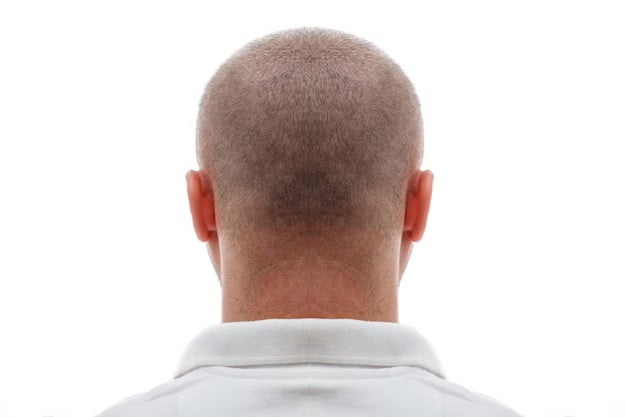
A hair transplant is more than a cosmetic procedure—it’s a long-term investment in your confidence and appearance. The results depend not only on the surgeon’s expertise but also on how well you care for your scalp after the procedure. Proper aftercare speeds up healing, reduces discomfort, and maximizes natural-looking growth.
This guide explores everything you need to know about caring for your transplanted hair—from the first week post-surgery to diet and supplements that support stronger regrowth.
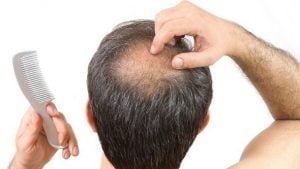
The first week is the most delicate stage of recovery. Your scalp is sensitive, and the newly implanted follicles need protection. During this time, swelling, scabbing, and redness are common, but with careful attention, you’ll pass this stage smoothly.
Your hair health depends on more than topical care. Nutrition plays a crucial role in how well your follicles anchor and how strong they grow. A balanced diet ensures better results and prevents thinning around native hair.
Some people may not get enough nutrients through diet alone. Supplements like biotin, zinc, vitamin D, and collagen peptides can boost recovery and hair strength. Always consult your surgeon before starting new supplements.
Here’s a simple comparison of nutrients and their benefits:
| Nutrient | Role in Hair Health | Best Sources |
|---|---|---|
| Protein | Builds keratin for strong hair | Eggs, chicken, fish |
| Iron | Supports oxygen delivery | Spinach, lentils, red meat |
| Omega-3 | Reduces inflammation | Salmon, chia seeds |
| Vitamin C | Boosts collagen & absorption | Oranges, kiwi, strawberries |
| Biotin | Encourages thicker growth | Nuts, eggs, whole grains |
A consistent diet combined with proper hydration keeps your scalp nourished from the inside out.

Caring for your scalp goes beyond shampooing. Lifestyle changes can make or break your transplant results. Sweat, stress, and harsh products can all affect follicle survival.
Consistency is key. Following your clinic’s post-op routine ensures the best possible regrowth timeline.
Once your transplanted follicles settle, they behave like natural hair. However, they still need ongoing care for thickness and shine. Developing a maintenance routine ensures results last for decades.
Long-term maintenance is about protecting your investment. Many patients notice visible improvement within 8–12 months, but continued care maximizes both density and natural appearance.
How long does it take for transplanted hair to grow?
Most patients see new hair around the third month. Growth continues gradually, and full results usually appear after 9–12 months.
Can I use hair styling products after a transplant?
Yes, but only after the first month. Always choose lightweight, alcohol-free products that don’t clog follicles or irritate the scalp.
Will transplanted hair fall out again?
The transplanted follicles are resistant to balding, but native hair may continue thinning. That’s why consistent care and preventive treatments matter.
When can I return to exercise after surgery?
Light walking is fine after a few days, but avoid intense workouts, swimming, or heavy lifting for at least 2–3 weeks to protect your grafts.
