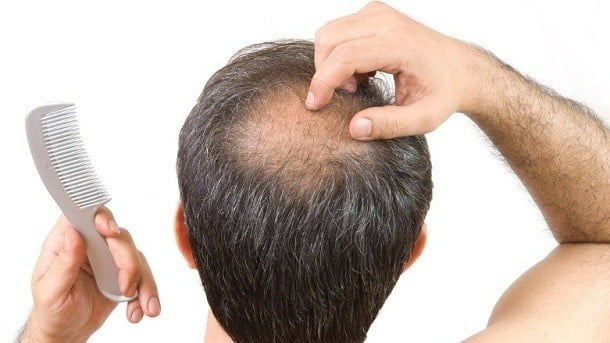
Hair loss affects millions of people worldwide, impacting confidence and overall well-being. One of the primary culprits behind hair thinning and male-pattern baldness is DHT (Dihydrotestosterone). This androgen hormone binds to hair follicles, gradually weakening them and shortening the hair growth cycle. Understanding how DHT works is crucial for anyone seeking effective hair restoration strategies.
Hair loss isn’t a one-size-fits-all problem. Genetics, age, stress, and lifestyle all play roles, but DHT remains a key factor in androgenetic alopecia. By learning how DHT influences hair follicles, individuals can choose targeted treatments that address the root cause rather than just masking the symptoms.
Finli Finasteride and Its Mechanism
Medications, Topicals, and Transplants
Addressing DHT-related hair loss often requires a multifaceted approach. Medications, topical treatments, and surgical options like hair transplants each have distinct benefits.
Medications
Prescription medications can significantly slow down or even reverse hair loss caused by DHT. Two of the most commonly used drugs include:
Finasteride: This oral medication inhibits the conversion of testosterone to DHT, protecting hair follicles from miniaturization. Studies show it can slow hair loss and even promote regrowth over time.
Dutasteride: Similar to finasteride but more potent, dutasteride blocks both type I and type II 5-alpha-reductase enzymes, reducing DHT levels more effectively.
It’s important to consult a healthcare professional before starting these medications, as they can have side effects such as decreased libido or hormonal changes.
Topicals
Topical solutions target hair follicles directly, offering localized benefits without systemic effects. Popular options include:
Minoxidil: Applied twice daily, minoxidil stimulates hair growth by increasing blood flow to the follicles. It doesn’t block DHT but promotes stronger and thicker hair strands.
Natural DHT blockers: Ingredients like saw palmetto, pumpkin seed oil, and caffeine may help inhibit DHT at the scalp level. While evidence is mixed, many users report noticeable improvement over time.
Hair Transplants
Surgical hair restoration provides a permanent solution for advanced hair loss. During a transplant, healthy follicles from the back of the scalp (resistant to DHT) move to thinning areas. Techniques like FUT (Follicular Unit Transplant) and FUE (Follicular Unit Extraction) allow for natural-looking results with minimal scarring.
Table: Comparison of DHT-Related Hair Loss Treatments
Treatment Type
How It Works
Pros
Cons
Finasteride
Blocks DHT production
Effective for many users
Possible sexual side effects
Dutasteride
Stronger DHT inhibition
Higher success rate
Higher risk of side effects
Minoxidil
Stimulates follicle activity
Easy to apply
Needs continuous use
Natural DHT blockers
Local DHT inhibition
Minimal side effects
Results vary
Hair Transplant
Relocates DHT-resistant follicles
Permanent solution
Expensive, requires recovery
Hair Repair Strategies to Boost Hair Density Naturally
Combining Treatments for Optimal Results
Relying on a single solution often limits success. Combining treatments can maximize hair regrowth while protecting follicles from DHT.
Medication + Topical: Using finasteride or dutasteride with minoxidil can enhance regrowth compared to either treatment alone. Oral DHT inhibitors prevent further follicle damage, while minoxidil stimulates new hair production.
Medication + Hair Transplant: Post-transplant, medications help maintain native hair and prevent future loss. This combination ensures that transplanted follicles thrive in a supportive environment.
Lifestyle Adjustments: Nutrition, stress management, and avoiding harsh hair treatments all support treatment efficacy. Adequate protein, vitamins like biotin and D, and regular exercise can improve hair health.
Consistency is key. Hair restoration requires patience—visible results can take 3–6 months, and continued care is necessary to maintain progress.
Lifestyle and Natural Strategies
Even with medications or transplants, lifestyle choices profoundly influence hair health. A DHT-conscious routine can complement medical interventions:
Diet Rich in Nutrients
Consume foods high in zinc, iron, omega-3 fatty acids, and vitamins A, D, and E. These nutrients strengthen follicles and promote scalp health.
Stress Reduction
Chronic stress accelerates hair shedding. Meditation, yoga, and proper sleep help balance hormones and reduce DHT-induced hair loss.
Scalp Care
Gentle cleansing, exfoliation, and massage increase blood circulation, nourishing follicles and enhancing the effectiveness of topical treatments.
Avoid Harmful Hair Practices
Limit heat styling, harsh chemicals, and tight hairstyles. These factors can exacerbate hair breakage and DHT sensitivity.
Common Myths About DHT and Hair Loss
Understanding DHT is easier when myths are debunked:
Myth 1: Washing hair frequently increases hair loss Reality: Proper hygiene doesn’t accelerate DHT-related hair loss; it supports scalp health.
Myth 2: Hair loss only affects men Reality: Women also experience androgenetic alopecia, though the pattern differs and DHT levels may be lower.
Myth 3: Natural remedies are ineffective Reality: While some natural DHT blockers have limited evidence, combining them with conventional treatments can enhance results.
Myth 4: Hair loss is irreversible Reality: Early intervention with the right combination of treatments can halt or even reverse hair thinning.
Tracking Progress and Setting Expectations
Patience is essential in hair restoration. Most individuals notice initial regrowth after 3–6 months. Using photos, scalp mapping, or a hair density tracker can provide objective evidence of progress. Setting realistic goals prevents frustration and encourages long-term commitment.
What is DHT, and why does it cause hair loss?
Answer: DHT is a hormone derived from testosterone. It binds to hair follicles, causing them to shrink and shortening the hair growth cycle, leading to thinning and eventual hair loss.
Can women benefit from DHT-blocking treatments?
Answer: Yes. While women have lower DHT levels, blockers like finasteride (under doctor supervision) or natural topicals may help manage thinning hair and slow progression.
Are hair transplants permanent against DHT?
Answer: Transplanted follicles come from DHT-resistant areas, making them generally permanent. However, native hair may continue to thin without medications or lifestyle support.
How long does it take to see results from treatments?
Answer: Most treatments show visible improvement after 3–6 months. Full results often require 12 months of consistent use.