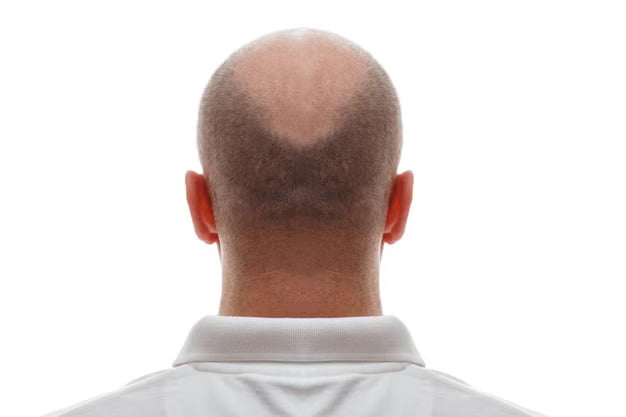
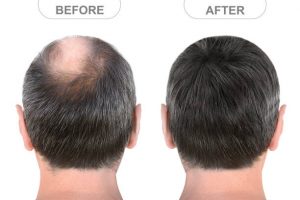
Hair transplantation has become a life-changing solution for many experiencing hair loss. However, achieving the best results requires more than just the procedure itself. Proper care, nutrition, and lifestyle adjustments play a pivotal role in promoting hair growth and ensuring long-lasting results. This guide explores practical strategies for post-transplant care and shares essential tips to maximize your new hair’s potential.
Hair Transplant
Post-Transplant Care Routine
Your journey to fuller hair begins immediately after the procedure. The first days are critical, as the transplanted follicles are highly sensitive.
Follow your surgeon’s instructions carefully. These guidelines are designed to protect the delicate grafts and reduce the risk of complications.
Avoid touching or scratching the transplanted area. Even minor friction can dislodge grafts and delay healing.
Gentle washing is crucial. Use lukewarm water and mild shampoos to clean your scalp without disturbing the follicles.
Sleep with your head elevated. Keeping your head elevated during the first week minimizes swelling and promotes circulation.
Consistency in your post-transplant care routine can significantly influence the density and growth rate of your new hair.
Avoiding Common Mistakes
Many patients inadvertently slow their recovery due to common post-transplant mistakes:
Using harsh hair products immediately after surgery
Exposing the scalp to direct sunlight without protection
Strenuous physical activity too soon after the procedure
By being mindful of these factors, you can reduce the risk of graft loss and achieve natural-looking results.
Foods and Supplements to Promote Hair Growth
Nutrition directly impacts the health of your hair follicles. Certain foods and supplements can accelerate recovery and support robust hair growth:
Protein-rich foods: Eggs, lean meats, and legumes provide the building blocks for hair production.
Omega-3 fatty acids: Found in salmon, walnuts, and flaxseeds, these fats nourish the scalp and strengthen hair strands.
Vitamins and minerals: Vitamin D, iron, and zinc play a critical role in hair follicle health. Supplements may be considered under professional guidance.
Biotin: Often recommended to enhance hair strength and prevent breakage.
Nutrient
Food Sources
Benefits for Hair
Protein
Eggs, Chicken, Beans
Promotes follicle growth and strengthens hair
Omega-3
Salmon, Flaxseed, Walnuts
Reduces inflammation, nourishes scalp
Vitamin D
Mushrooms, Fortified Milk
Supports follicle development
Zinc
Pumpkin seeds, Beef
Encourages hair repair and growth
Biotin
Eggs, Almonds
Improves hair strength and thickness
Understanding Hair Transplant Procedures
Lifestyle Adjustments for Optimal Hair Growth
Stay hydrated: Drinking enough water improves circulation and promotes nutrient delivery to hair follicles.
Manage stress: Chronic stress can trigger hair shedding, affecting transplanted hair. Techniques like meditation or light exercise can help.
Avoid smoking and excessive alcohol: Both reduce blood flow to the scalp, limiting oxygen and nutrient supply.
Regular scalp massage: Gentle massage can stimulate blood flow and support follicle health.
Consistency in lifestyle habits enhances the long-term success of your hair transplant.
Choosing the Right Hair Products
Use sulfate-free shampoos. They cleanse without stripping essential oils.
Avoid heavy styling gels or waxes. These can clog follicles and irritate the scalp.
Opt for natural oils. Coconut or argan oil can nourish hair without causing buildup.
Follow a gentle routine. Minimal manipulation and careful detangling reduce hair stress.
Integrating hair-friendly products into your daily routine strengthens your transplanted hair and promotes a healthy scalp environment.
Sık Sorulan Sorular (FAQ)
How soon can I wash my hair after a transplant?
You can usually wash your hair gently 48 hours post-surgery using mild shampoos, but always follow your surgeon’s instructions.
Which foods should I avoid to prevent hair loss?
Limit processed foods, sugary snacks, and excessive fried items, as they can negatively affect follicle health.
When will I see the full results of my transplant?
Typically, noticeable growth appears 3-6 months after the procedure, with full results visible at 12 months.
Can stress affect my transplanted hair?
Yes, high stress can trigger shedding. Incorporating relaxation techniques supports optimal hair growth.