
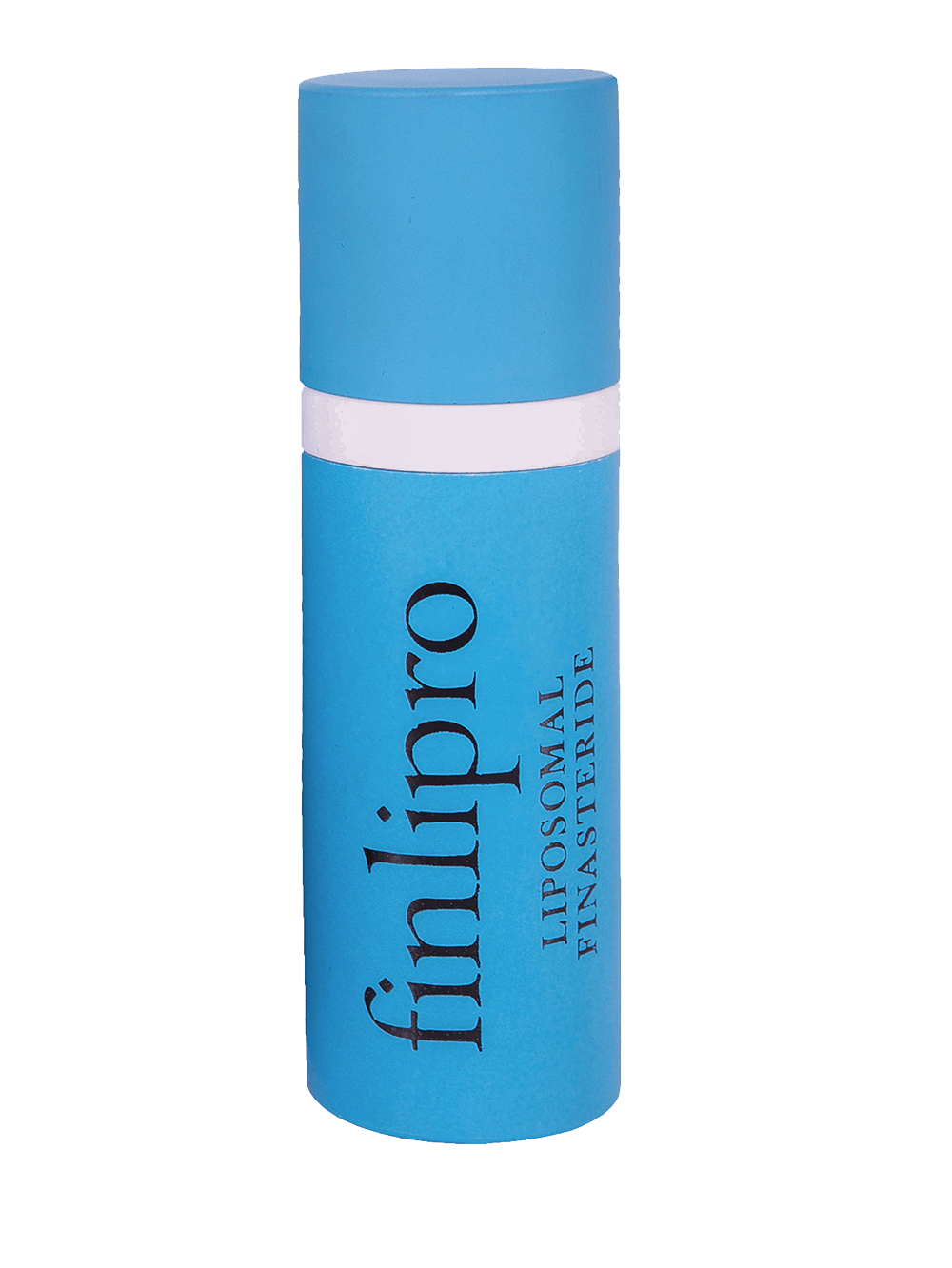
Hair loss can be a challenging experience, impacting not only appearance but also confidence and overall well-being. Among the various treatments available, topical finasteride has emerged as a promising solution for those seeking a targeted approach. Unlike traditional oral treatments, topical applications deliver the active ingredient directly to the scalp, minimizing systemic exposure and focusing treatment where it matters most.
By understanding how topical finasteride works, its advantages, and the differences from oral finasteride, individuals can make informed decisions to manage hair loss effectively.
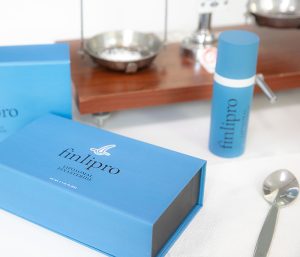
Liposomal delivery technology represents a breakthrough in topical formulations. Liposomes are tiny, spherical vesicles that encapsulate the active ingredient, enhancing absorption into the scalp and hair follicles. This technology ensures that finasteride penetrates deeper layers of the skin, improving efficacy and reducing potential side effects associated with oral administration.
The advantages of liposomal delivery include:
This approach aligns with modern dermatological research, prioritizing targeted treatment and patient safety.
When considering hair loss treatment, it’s essential to understand the differences between topical and oral finasteride. Oral finasteride is absorbed systemically, impacting the entire body and potentially causing side effects such as decreased libido or hormonal changes. Topical finasteride, however, localizes treatment to the scalp, where hair follicles are most affected.
| Feature | Topical Finasteride | Oral Finasteride |
|---|---|---|
| Application | Directly on the scalp | Oral tablet |
| Systemic Absorption | Minimal | High |
| Side Effect Risk | Lower | Higher |
| Targeted Action | High | Moderate |
| Onset of Results | May vary, often slower initially | Typically observed in months |
Topical finasteride also allows for flexible dosing, combining with other topical treatments like minoxidil for synergistic effects. This combination therapy can further enhance hair density and slow the progression of hair loss.

The primary mechanism of finasteride involves inhibiting the enzyme 5-alpha-reductase. This enzyme converts testosterone into dihydrotestosterone (DHT), a hormone responsible for hair follicle miniaturization and subsequent hair thinning. By applying finasteride topically, DHT levels around hair follicles decrease locally, reducing hair loss while limiting systemic exposure.
Key points of the mechanism include:
Studies have shown that topical finasteride can maintain hair density and prevent further thinning with a lower risk of systemic side effects compared to oral administration.
To maximize results, many dermatologists recommend combining topical finasteride with complementary therapies. This combination approach can significantly improve outcomes for patients experiencing androgenetic alopecia.
Popular combinations include:
Integrating multiple therapies can create a comprehensive hair restoration strategy, addressing both the causes of hair loss and the stimulation of new growth.
Correct application is critical for achieving desired outcomes with topical finasteride. Users should follow a consistent routine and apply the medication to dry, clean scalp areas with noticeable hair thinning.
Tips for optimal use include:
Patience is essential, as visible results may take several months. Consistent, correct application significantly improves the likelihood of success.
Even though topical finasteride reduces systemic absorption, some users may experience minor side effects. These can include mild scalp irritation, itching, or redness at the application site.
In rare cases, small amounts of finasteride may enter the bloodstream, potentially causing:
Monitoring for any adverse effects and consulting a dermatologist ensures safety and continued efficacy of the treatment.
Topical treatments work best when combined with a holistic approach to hair care. Supporting hair follicle health can enhance the effectiveness of finasteride.
Recommendations include:
Adopting supportive lifestyle measures complements topical therapy and encourages long-term hair health.
Clinical studies demonstrate that topical finasteride effectively reduces hair loss while minimizing systemic side effects. Trials show measurable improvements in hair count, density, and follicle diameter after consistent use over six to twelve months.
Key findings include:
Ongoing research continues to refine application methods and combination strategies, solidifying topical finasteride as a viable alternative to oral treatment.
Topical finasteride may vary in cost depending on formulation, brand, and region. While generally more expensive than generic oral tablets, the targeted benefits and lower risk of systemic side effects often justify the investment.
Tips for cost management:
Investing in a high-quality formulation ensures better absorption, consistent results, and long-term hair preservation.
Hair restoration with topical finasteride is a gradual process. Users should set realistic expectations and understand that consistency is key.
Long-term guidelines include:
Sustained treatment and adherence to application protocols optimize hair health and maintain gains achieved.
| Factor | Topical Finasteride | Oral Finasteride |
|---|---|---|
| Primary Target | Scalp follicles | Systemic DHT |
| Systemic Side Effects | Minimal | Possible hormonal effects |
| Ease of Use | Direct application | Daily tablet |
| Efficacy | High localized effect | Broad systemic effect |
| Combination Options | Compatible with minoxidil, PRP, LLLT | Compatible but systemic interactions possible |
This table highlights how topical finasteride delivers a focused solution for hair loss while reducing the risks associated with systemic therapy.
