
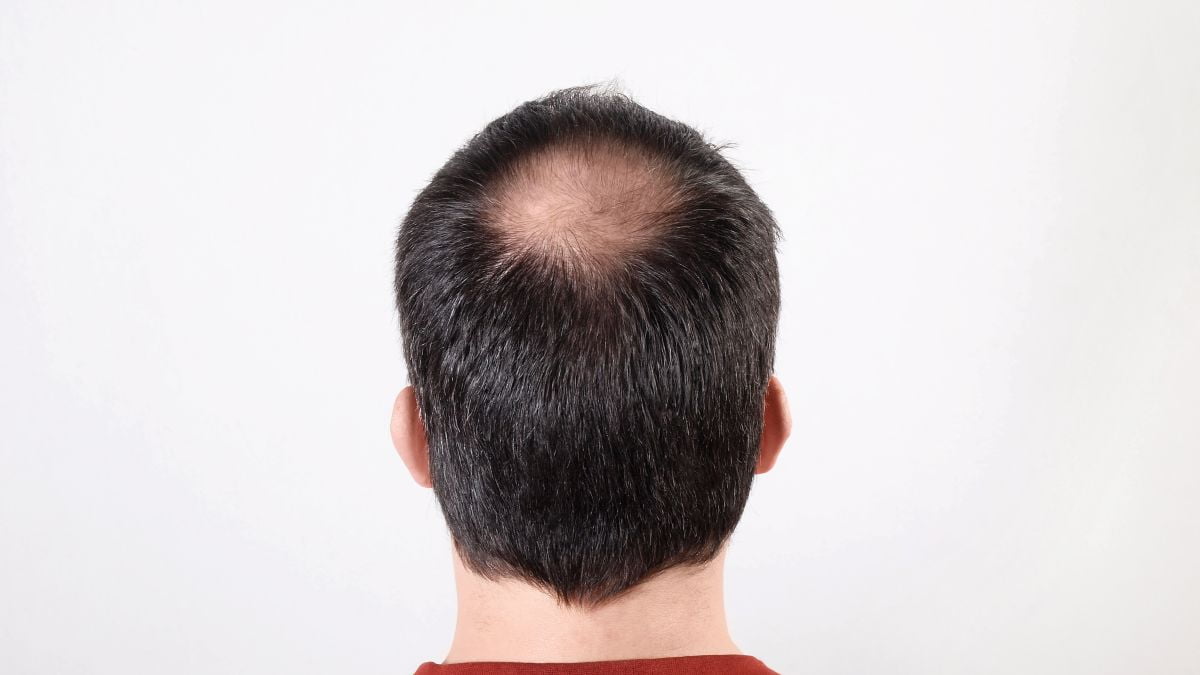
Undergoing a hair transplant marks an exciting step toward restoring your hair and confidence. However, the procedure is just the beginning. Proper aftercare ensures that the newly transplanted follicles thrive and your results last. By following structured guidelines, you can optimize healing, prevent complications, and maintain healthy hair density over time.
A strong aftercare routine combines careful hygiene, nutrient support, and lifestyle adjustments. Your commitment in the first weeks after surgery plays a critical role in the overall success of your hair transplant.

Liposomal Finasteride has emerged as a reliable ally in preserving transplanted hair. This innovative formulation enhances absorption, allowing the active ingredients to reach the scalp more efficiently. Patients often notice reduced shedding and improved hair density when used alongside a structured post-transplant routine.
The mechanism works by inhibiting DHT, the hormone primarily responsible for hair loss. Regular application can stabilize hair follicles and support long-term retention. Many specialists recommend combining liposomal finasteride with gentle scalp care for best results.
By integrating liposomal finasteride into your daily care, you can create a favorable environment for robust hair growth and maintain results over time.
Achieving density immediately after a transplant is only part of the process. Long-term maintenance relies on consistent care, lifestyle choices, and sometimes supplemental treatments. Avoid harsh chemical products and excessive heat styling to minimize follicle stress.
Regular scalp massages encourage blood circulation, supporting the health of newly implanted follicles. Nutrient-rich diets, rich in proteins, iron, and vitamins, also play a pivotal role. Consider a regimen that includes biotin, zinc, and omega-3 fatty acids to nourish hair from the inside out.
Consistency in these practices ensures your hair retains its thickness and resilience for years after the transplant.
Washing your hair after a transplant requires extra care. Avoid rubbing or scratching the scalp, and use gentle motions to clean the area. Most surgeons recommend starting with lukewarm water and mild shampoo after 48 hours.
Pat your scalp dry instead of rubbing. Overly aggressive handling may dislodge grafts or trigger irritation. Incorporate gentle washing routines for the first two weeks, gradually transitioning to your usual shampoo habits.
| Step | Action | Notes |
|---|---|---|
| 1 | Use mild shampoo | Avoid sulfates and harsh chemicals |
| 2 | Lukewarm water rinse | Prevents irritation |
| 3 | Gentle pat dry | Do not rub transplanted areas |
| 4 | Avoid styling products | For at least 2 weeks post-surgery |
| 5 | Scalp massage | Lightly stimulate blood flow after 2 weeks |
Following these steps reduces the risk of infection and supports the survival of transplanted follicles.
After a hair transplant, the scalp becomes more sensitive to environmental stressors. Sun exposure, dust, and pollution can irritate healing follicles. Use protective headwear and limit outdoor activities during the first month.
Temperature extremes, whether hot or cold, may also affect follicular recovery. Gentle scalp protection, combined with hydration, helps prevent unnecessary stress on newly transplanted hair.
Taking these precautions fosters optimal healing and reduces the likelihood of follicle damage during the critical early weeks.
Nutrition has a direct impact on hair growth. Incorporate foods rich in proteins, vitamins, and minerals to strengthen both transplanted and existing hair. Leafy greens, lean meats, eggs, and nuts supply essential nutrients for follicle health.
Supplemental vitamins like biotin, vitamin D, and zinc can further enhance outcomes. Pair these with proper hydration to ensure the scalp environment supports continuous growth.
A balanced nutritional plan complements topical treatments like liposomal finasteride, creating a comprehensive post-transplant strategy.
Mild redness, swelling, and scabbing are normal in the first week after surgery. However, persistent pain, unusual discharge, or rapid shedding may indicate infection or graft failure. Contact your surgeon immediately if these symptoms occur.
Some patients may experience temporary shock loss, which is a natural part of the hair growth cycle. Maintaining proper aftercare reduces the risk and ensures the transplanted follicles eventually thrive.
Prompt attention to these signs prevents complications and ensures your hair restoration journey remains on track.
Once the healing phase allows, gentle scalp massages can stimulate blood flow to transplanted follicles. Use fingertips to apply light pressure in circular motions. This not only improves circulation but also encourages follicle nourishment.
Regular massages integrate seamlessly with other aftercare practices, enhancing hair density over the long term.
Scheduling follow-up appointments with your surgeon ensures any issues are addressed promptly. Monitoring hair growth, follicle survival, and scalp condition allows for adjustments in your aftercare routine.
Consistent follow-ups also allow for timely incorporation of treatments like liposomal finasteride or platelet-rich plasma therapy if recommended.
What is the best way to prevent post-transplant hair shedding?
Maintaining gentle scalp care, avoiding harsh chemicals, and using liposomal finasteride can significantly reduce shedding and support retention.
How long before I can wash my hair normally?
Most patients resume mild washing with lukewarm water after 48 hours. Gentle patting is crucial for the first two weeks to avoid dislodging grafts.
Are there any dietary tips for faster hair growth?
Yes, include protein-rich foods, vitamins (biotin, vitamin D), zinc, and omega-3 fatty acids. Hydration is also essential for follicle health.
When should I seek medical attention after a transplant?
Contact your surgeon immediately if you notice persistent swelling, severe pain, unusual discharge, or unexpected hair loss beyond the typical shedding period.
