
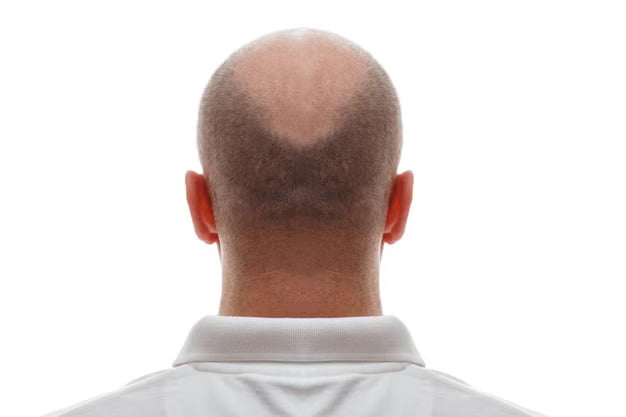
Hair transplantation has become a highly effective solution for individuals experiencing hair thinning or hair loss. However, achieving optimal results doesn’t end the moment you leave the clinic. Proper post-transplant care plays a crucial role in determining the success and longevity of your new hair. Patients who follow a structured care routine enjoy higher graft survival rates, healthier hair growth, and a lower risk of post-transplant complications.
Understanding the biological mechanisms behind hair loss, the role of medications, and proper maintenance routines allows patients to maximize their investment in hair restoration. This guide explores the essential elements of hair transplant care, including the influence of hormones, the use of topical treatments, and lifestyle adjustments that support hair growth.
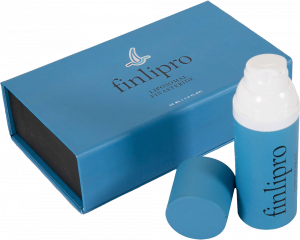
Dihydrotestosterone (DHT) is a potent androgen responsible for miniaturization of hair follicles, a primary factor in male pattern baldness. Even after hair transplantation, follicles not resistant to DHT remain vulnerable. Understanding this hormonal impact helps patients prevent future hair thinning.
Hair follicles transplanted from the donor area are typically resistant to DHT. However, surrounding native hair continues to face hormonal attacks. Without proper care and protection, new hair may be overshadowed by ongoing hair loss in untreated areas.
By controlling DHT activity, patients can significantly improve the survival of transplanted hair and maintain a fuller scalp appearance over time.
Topical finasteride has emerged as an effective alternative to oral administration, especially for patients concerned about systemic side effects. Applying topical finasteride directly to the scalp allows for localized DHT inhibition while minimizing absorption into the bloodstream.
Studies have shown that topical formulations can support post-transplant hair growth by:
Patients combining topical finasteride with gentle scalp massage often report improved blood circulation and nutrient delivery to hair follicles.
Proper care in the weeks and months following a hair transplant can dramatically impact results. Patients who skip critical steps risk graft damage, delayed growth, or infection.
Consistency in these steps ensures maximum graft survival and promotes robust hair growth.
Healthy hair grows best when supported by proper nutrition and lifestyle choices. Nutrients directly affect follicle health, collagen production, and circulation, all vital for maintaining transplanted hair.
Patients who integrate these habits often notice thicker, healthier hair and faster recovery post-transplant.
Even with careful attention, some patients encounter minor complications after hair transplantation. Awareness and early intervention improve outcomes.
| Post-Transplant Issue | Symptoms | Recommended Action |
|---|---|---|
| Shock Loss | Temporary shedding of transplanted or existing hair | Typically resolves within 2-3 months; continue gentle care |
| Redness & Swelling | Irritation, tenderness, visible inflammation | Apply cold compresses; follow surgeon’s anti-inflammatory advice |
| Infection | Pus, severe pain, or unusual redness | Consult your surgeon immediately; use prescribed antibiotics |
| Dry Scalp | Flaking, itching | Use saline sprays and mild shampoo; avoid scratching |
Scalp stimulation improves blood circulation, delivering oxygen and nutrients to hair follicles. Gentle massage can also encourage the recovery of transplanted follicles.
Incorporating these practices promotes healthy hair growth, prevents follicle stagnation, and supports long-term scalp vitality.
Modern hair transplant care extends beyond basic maintenance. Advanced therapies can significantly boost outcomes.
Patients combining these therapies with diligent home care often notice faster growth and improved hair density, highlighting the importance of comprehensive post-transplant care.
Tracking hair growth and adjusting your routine ensures long-term success. Regular check-ins with your hair transplant specialist allow for timely intervention if issues arise.
A proactive approach transforms hair transplant care from a passive routine into a personalized growth strategy.
Awareness and adherence to post-transplant instructions directly influence the success of your procedure.
Combining oral and topical therapies can maximize hair growth, but must be done responsibly. Topical finasteride works best when paired with a balanced regimen:
Proper integration of medications ensures hair transplant care supports both transplanted and existing hair without compromising overall health.
Success in hair transplantation is not solely determined by surgical technique; post-transplant care plays an equally vital role. Understanding DHT’s impact, using targeted therapies like topical finasteride, following structured aftercare routines, and maintaining a healthy lifestyle all contribute to long-term hair growth and aesthetic satisfaction.
Investing in consistent care, monitoring progress, and consulting professionals when needed maximizes graft survival, improves hair density, and reduces the risk of complications. By prioritizing these steps, patients can enjoy a natural, healthy, and lasting result from their hair transplant.
A: Most specialists recommend continuous use for at least 6-12 months to maintain hair density and protect existing follicles. Adjustments should follow your doctor’s guidance.
A: Transplanted follicles from the back or sides of the scalp are generally resistant to DHT, but surrounding native hair may still be affected. Using DHT inhibitors protects both transplanted and native hair.
A: Light activity can often resume after 1-2 weeks, but avoid heavy lifting or vigorous exercise for at least a month to prevent graft displacement.
A: They are not mandatory but can accelerate healing, improve follicle health, and enhance overall density, especially for patients with extensive hair loss.
