
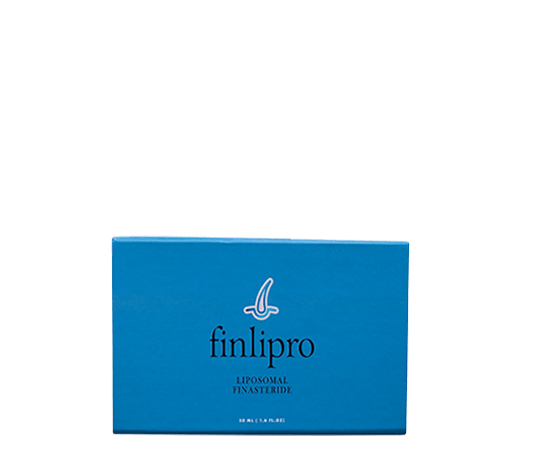
Hair loss can affect self-esteem, confidence, and overall quality of life. Among the treatments available, topical finasteride has emerged as a promising solution for targeting hair thinning and slowing hair loss at its source. Unlike oral medications that work systemically, topical formulations deliver active ingredients directly to the scalp, minimizing side effects while effectively blocking DHT where it matters most. By focusing on local action, individuals can protect hair follicles and maintain a fuller hairline.
Early intervention can make a significant difference in the results of hair restoration. Hair follicles gradually shrink under the influence of dihydrotestosterone (DHT), leading to thinning and hair loss. By addressing this process early, topical finasteride can halt or slow down the progression, allowing for better hair density maintenance.
Patients who begin treatment in the early stages often experience thicker, healthier hair over time. Starting early also reduces the need for more invasive procedures like hair transplants, making prevention the most efficient strategy for lasting results.
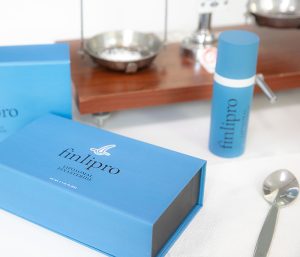
Topical finasteride works by directly inhibiting the enzyme 5-alpha-reductase in the scalp. This enzyme converts testosterone into DHT, the primary hormone responsible for androgenetic hair loss. By reducing DHT levels locally, follicles receive better nourishment and hair density gradually improves.
The mechanism of action is precise:
Clinical studies show that combining topical DHT-blocking treatments with consistent scalp care can lead to noticeable improvements within months. Patients often report increased hair thickness, reduced shedding, and improved scalp health.
Oral finasteride has been the standard for decades, but it can trigger systemic side effects, including sexual dysfunction in some individuals. Topical formulations, on the other hand, target the scalp without significantly affecting hormone levels elsewhere in the body.
Many dermatologists recommend topical finasteride for patients sensitive to oral therapy or those who want to combine it with other hair restoration methods like minoxidil or platelet-rich plasma (PRP) therapy.
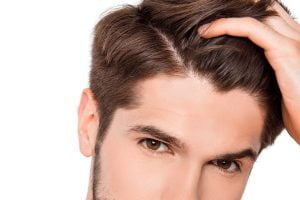
Healthy follicles are the foundation of thick, strong hair. Topical finasteride preserves follicle size and function, which directly impacts overall hair density. Regular use ensures DHT does not prematurely miniaturize the follicles, giving hair a better chance to thrive.
| Benefit | Impact on Hair |
|---|---|
| Local DHT reduction | Prevents follicle shrinkage |
| Extended growth phase | Promotes thicker strands |
| Improved scalp circulation | Enhances nutrient delivery |
| Synergy with other treatments | Maximizes overall results |
Using topical solutions consistently helps maintain follicle health while addressing the underlying hormonal causes of hair loss. This targeted approach allows patients to experience benefits more quickly than systemic treatments alone.
Consistency matters for effective hair loss management. Applying topical finasteride as part of a daily routine ensures optimal absorption and long-term results. Many users incorporate it with other scalp treatments to create a comprehensive hair care regimen.
Tips for effective use:
By integrating topical therapy into daily life, users can maintain healthier follicles, reduce shedding, and support regrowth over time.
Hair growth is a gradual process, and topical finasteride is most effective when used consistently over months. Patients should track their progress with photos, hair counts, or scalp assessments.
Educating patients about realistic timelines ensures better adherence and prevents disappointment, fostering a positive treatment experience.
Integrating topical finasteride with complementary therapies can enhance results. Options include:
This combination approach addresses multiple pathways of hair loss, improving overall density and scalp health. Experts often recommend a multi-pronged strategy to maximize long-term success.
Although topical finasteride significantly reduces systemic exposure, some users may experience mild side effects, such as scalp irritation or itching. Monitoring response and adjusting application frequency can mitigate these issues.
The localized action of topical DHT blockers allows patients to enjoy the benefits of hair preservation while minimizing the risks commonly associated with oral therapy.
Even the most effective treatments work best when paired with healthy habits. Proper nutrition, stress management, and avoiding harsh hair practices can significantly enhance the impact of topical finasteride.
Supporting follicle health from both inside and outside amplifies results and promotes lasting improvements in hair density and appearance.
Consistent use of topical finasteride can provide long-term protection against androgenetic hair loss. By targeting DHT at the scalp, users maintain stronger follicles and healthier hair over time. This localized strategy reduces dependency on systemic medications and offers a sustainable approach to hair maintenance.
