

Hair Density Improvement Through Advanced Technology focuses on modern scientific methods that enhance hair growth, strengthen follicles, and improve scalp health through advanced delivery systems and targeted treatments. New innovations such as liposomal formulations, improved topical absorption, and follicle-targeting technologies allow active ingredients to penetrate deeper into the scalp. These technologies help individuals achieve thicker, healthier hair while minimizing side effects commonly associated with traditional treatments.
Hair thinning affects millions of people worldwide, impacting both appearance and confidence. Thanks to breakthroughs in dermatology, biotechnology, and pharmaceutical delivery systems, treatments today offer more effective and targeted solutions than ever before. Instead of relying solely on traditional oral medications or basic topical formulas, modern approaches now emphasize enhanced absorption, follicle-level delivery, and long-term scalp health.
In this article, we explore how Hair Density Improvement Through Advanced Technology works, why advanced formulations such as liposomal finasteride attract increasing attention, and how improved absorption technologies change the future of hair restoration treatments.

Hair density refers to the number of hair strands growing in a specific area of the scalp. Dermatologists typically measure density as the number of hairs per square centimeter. A healthy scalp generally contains between 80 and 120 hair follicles per square centimeter, but this number gradually declines due to genetics, hormonal changes, aging, and environmental factors.
The most common cause of hair density loss is androgenetic alopecia, often known as male or female pattern hair loss. This condition occurs when the hormone dihydrotestosterone (DHT) gradually shrinks hair follicles. Over time, the follicles produce thinner and shorter strands until hair growth eventually stops.
Several factors accelerate this process:
Modern treatment strategies aim to address these root causes while stimulating follicle activity and improving scalp health.
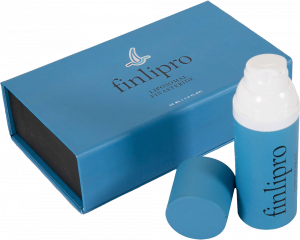
Traditional hair loss treatments focused mainly on medications like finasteride or minoxidil. While these options remain effective for many patients, scientists now combine them with advanced delivery technologies to enhance their effectiveness.
Technological advancements improve hair density by:
The integration of biotechnology, nanotechnology, and dermatological research plays a crucial role in these developments. Many dermatology clinics now use a combination of topical formulations, microneedling systems, laser stimulation, and regenerative therapies.
As a result, Hair Density Improvement Through Advanced Technology has evolved from simple hair loss treatments into a comprehensive and personalized restoration approach.
Liposomal finasteride represents one of the most promising innovations in modern hair loss therapy. Scientists design liposomes as microscopic lipid-based carriers that encapsulate active ingredients. These tiny spheres allow medication to penetrate deeper into the skin while protecting it from degradation.
Traditional topical finasteride often struggles with uneven absorption. A large portion of the active ingredient remains on the scalp surface instead of reaching hair follicles. Liposomal technology solves this limitation by improving stability and targeted delivery.
Key advantages of liposomal finasteride include:
This targeted delivery system allows dermatologists to use lower doses while maintaining strong therapeutic effects.
Liposomes consist of phospholipid layers similar to human cell membranes. When applied to the scalp, these lipid structures merge easily with skin cells, allowing the encapsulated medication to travel deeper into the dermal layers.
This process improves the efficiency of Hair Density Improvement Through Advanced Technology by ensuring that active compounds reach the hair follicle roots where they can block DHT more effectively.
Researchers also report that liposomal formulations may reduce the risk of systemic side effects because the drug remains concentrated in the scalp rather than entering the bloodstream in significant amounts.
Standard topical finasteride solutions often face absorption limitations. The scalp contains natural barriers that restrict the penetration of many active ingredients. As a result, only a fraction of the medication reaches the target follicles.
Advanced delivery technologies significantly improve this process.
Hair follicles sit deep within the dermis layer of the skin. If a treatment cannot reach this level, it will not effectively block DHT or stimulate hair growth.
Improved absorption helps treatments:
These advantages explain why dermatologists increasingly recommend advanced formulations instead of traditional topical solutions.
Several dermatological studies highlight the benefits of improved delivery systems. Research published in dermatology journals indicates that liposomal carriers can increase drug penetration into the skin by up to 5–7 times compared with traditional solutions.
This enhanced delivery plays a critical role in Hair Density Improvement Through Advanced Technology, as deeper follicle penetration leads to stronger DHT inhibition and healthier hair growth cycles.
Modern hair restoration often combines multiple technologies to maximize results. Instead of relying on a single treatment method, experts now integrate different solutions to target various aspects of hair health.
Low-level laser therapy stimulates cellular activity in hair follicles. The light energy increases blood circulation in the scalp and encourages follicles to remain in the active growth phase.
Benefits include:
Microneedling uses tiny needles to create microchannels in the scalp. These micro-injuries stimulate collagen production and enhance the absorption of topical treatments.
Dermatologists often combine microneedling with advanced topical formulations to improve treatment effectiveness.
PRP therapy uses the patient’s own blood plasma, rich in growth factors, to stimulate hair follicles. When injected into thinning areas of the scalp, PRP promotes follicle regeneration and improved hair density.
These complementary methods strengthen the effectiveness of Hair Density Improvement Through Advanced Technology by addressing multiple biological pathways involved in hair loss.
| Treatment Type | Delivery Method | Effectiveness | Absorption Level | Side Effect Risk |
|---|---|---|---|---|
| Oral Finasteride | Systemic | High | Full body absorption | Moderate |
| Standard Topical Finasteride | Topical | Moderate | Limited follicle penetration | Low |
| Liposomal Finasteride | Advanced topical delivery | High | Enhanced follicle targeting | Lower systemic exposure |
| PRP Therapy | Injection | Moderate to High | Direct follicle stimulation | Very low |
Dermatologists often recommend combining treatments rather than relying on a single method. A personalized plan may include topical therapies, scalp stimulation technologies, and lifestyle adjustments.
For example, a typical advanced treatment plan might include:
This multi-layered strategy maximizes the effectiveness of Hair Density Improvement Through Advanced Technology.
Hair restoration treatments deliver the best results when patients follow professional guidance and maintain consistency.
Keep these important factors in mind:
Skipping treatments or using inconsistent routines significantly reduces effectiveness.
Many individuals attempt hair loss treatments without proper knowledge. These mistakes often delay results or reduce treatment effectiveness.
Combining multiple treatments without guidance can irritate the scalp and reduce absorption.
Hair growth takes time. Many users stop treatments prematurely before seeing the full benefits.
A healthy scalp environment supports follicle function. Poor hygiene, inflammation, or excessive product buildup can hinder treatment effectiveness.
The hair restoration market includes many unregulated products. Always select clinically supported treatments recommended by professionals.
Avoiding these mistakes ensures better outcomes with Hair Density Improvement Through Advanced Technology.
Researchers continue to explore new solutions for hair restoration. Several emerging technologies show strong potential for future treatments.
These include:
Experts believe that combining biotechnology and dermatological science will further improve the effectiveness of Hair Density Improvement Through Advanced Technology in the coming years.
Liposomal finasteride focuses on scalp-level delivery rather than systemic absorption. This targeted approach may reduce the likelihood of systemic side effects while still helping block DHT in hair follicles.
Most individuals begin noticing improvements in hair thickness and reduced shedding within three to six months. Full results usually appear after nine to twelve months of consistent treatment.
Modern treatments can significantly slow hair loss and improve density. However, complete reversal depends on the stage of hair loss and the health of remaining follicles.
People experiencing early to moderate hair thinning benefit the most. Individuals who want effective results with minimal systemic side effects often choose advanced topical and technology-based solutions.
