
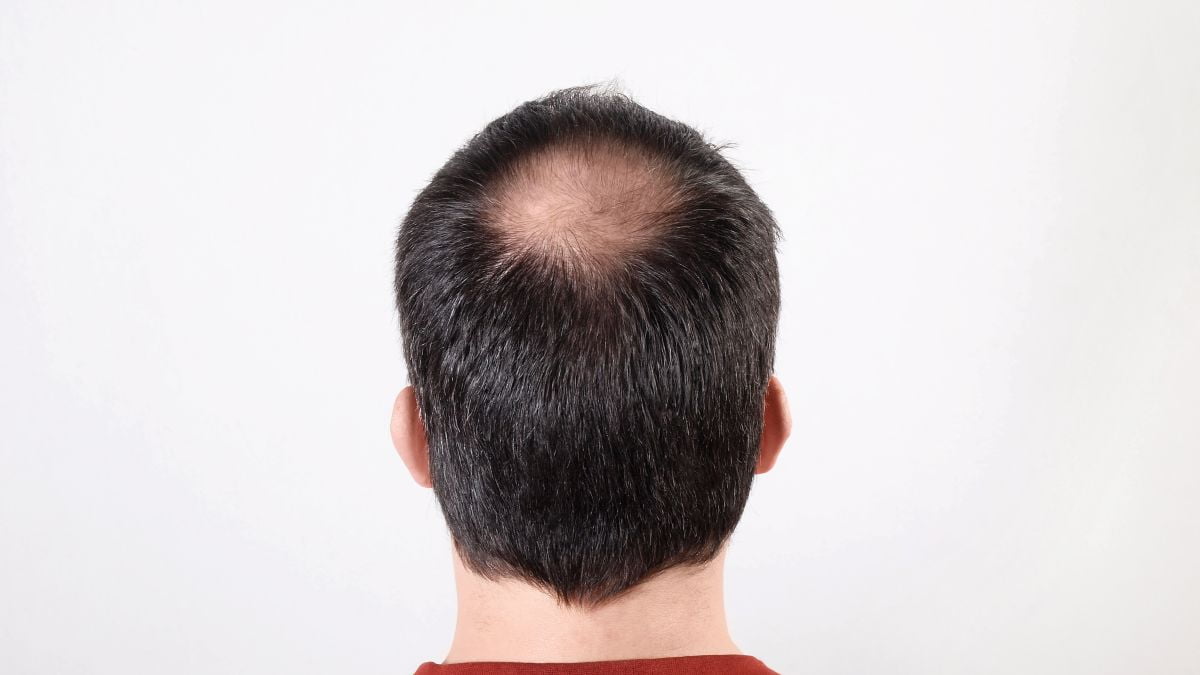
Finasteride is recommended before hair transplant surgery because it helps protect existing hair, slow further hair loss, and create a more stable environment for transplanted follicles. Many hair restoration specialists suggest using finasteride before the procedure to improve long-term results and maintain natural hair density.
Hair transplant surgery focuses on restoring lost hair, but the success of the procedure depends not only on transplanted grafts but also on the condition of the existing hair. Male pattern hair loss is a progressive condition, and without proper management, natural hair around the transplanted area may continue to thin over time. This is why medications such as finasteride often become an important part of a comprehensive hair restoration plan.
Finasteride works by reducing the production of dihydrotestosterone (DHT), a hormone strongly linked to androgenetic alopecia, also known as male pattern baldness. By lowering DHT levels, finasteride can help preserve vulnerable hair follicles and support a more predictable outcome after hair transplantation.

Hair transplantation moves healthy hair follicles from a donor area, usually the back or sides of the scalp, to areas affected by hair loss. These transplanted follicles are generally resistant to DHT, which allows them to grow permanently in most cases. However, the natural hair surrounding these grafts may still remain sensitive to DHT.
This creates an important consideration for patients planning a transplant. If existing hair continues to weaken after surgery, the patient may experience uneven density, visible thinning between transplanted follicles, or the need for additional procedures in the future.
Finasteride helps create a more stable hair environment before surgery by protecting non-transplanted hair follicles from ongoing DHT-related damage.
Hair restoration experts often recommend evaluating hair loss patterns, family history, scalp condition, and future expectations before deciding whether finasteride should be included in a treatment plan.
One of the main reasons doctors recommend finasteride before a hair transplant is to protect the existing hair that remains on the scalp. A transplant does not stop the natural progression of genetic hair loss, and untreated follicles can continue shrinking.
The medical term for this process is follicular miniaturization. Over time, repeated exposure to DHT causes affected follicles to produce thinner and shorter hairs until they eventually stop producing visible hair.
Finasteride can help by:
Patients who begin finasteride before surgery may allow their surgeon to better evaluate the true pattern of hair loss. This approach helps create a more accurate transplant design because the doctor can better understand which areas are likely to remain stable.
Starting finasteride before hair transplantation gives doctors valuable information about how the patient responds to treatment. Some specialists recommend beginning medication several months before surgery because this period allows the scalp condition to stabilize.
A stable hair loss pattern can make several aspects of transplantation easier, including:
A successful hair transplant plan considers both current hair loss and possible future changes.
A hair transplant is a long-term investment, and maintaining the results requires more than the surgical procedure itself. Finasteride can contribute to better long-term outcomes by helping preserve the surrounding native hair.
Research has shown that finasteride can significantly improve hair count and reduce further progression of androgenetic alopecia in many men. Clinical studies involving 1 mg daily finasteride have demonstrated improvements in hair growth and maintenance compared with placebo groups.
The long-term benefits may include:
| Treatment Approach | Main Purpose | Expected Benefit |
|---|---|---|
| Hair Transplant Surgery | Replace lost hair follicles | Restores hair in thinning or bald areas |
| Finasteride Before Surgery | Reduce DHT impact | Protects existing hair and improves planning |
| Finasteride After Surgery | Maintain surrounding follicles | Supports long-term density |
| Combined Hair Restoration Plan | Manage hair loss from multiple angles | Creates more natural and lasting results |
Patients often achieve better satisfaction when they combine surgical restoration with medical treatments that address the underlying cause of hair loss.
DHT plays a central role in genetic hair loss, especially in individuals with a genetic sensitivity to this hormone. When DHT binds to susceptible hair follicles, it gradually reduces their growth cycle.
The hair growth cycle includes three main phases:
High DHT sensitivity can shorten the growth phase and cause progressive thinning. Finasteride works by blocking the enzyme 5-alpha reductase, which converts testosterone into DHT.
By controlling this hormonal pathway, finasteride helps maintain healthier follicle activity.
Expert Tip: A hair transplant should not be viewed as a single procedure that permanently solves every aspect of hair loss. The best results usually come from combining surgical techniques with strategies that protect remaining hair.
Experienced hair transplant specialists often assess:
This evaluation helps determine whether finasteride, other treatments, or monitoring alone would be appropriate.
Although finasteride provides benefits for many patients, it may not be suitable for everyone. Patients should discuss their medical history and expectations with a qualified healthcare professional before starting treatment.
Do not begin or stop finasteride without professional medical guidance.
Some important points to consider include:
Finasteride is a prescription medication, and a personalized approach provides the safest and most effective strategy.
Many individuals focus only on the number of grafts they will receive and ignore the importance of protecting existing hair. This can affect satisfaction years after surgery.
Common mistakes include:
A successful hair restoration journey requires realistic expectations and a complete understanding of hair loss management.
Not every patient requires finasteride, but some individuals may experience continued thinning of their natural hair after transplantation. This can create a contrast between stable transplanted follicles and weakening native hair.
Patients with aggressive hair loss patterns may have a higher risk of future thinning. In these cases, doctors often discuss preventive strategies before surgery.
Alternative approaches may include:
The correct approach depends on each patient’s condition and goals.
Before starting finasteride or scheduling a hair transplant, patients should consider the following:
Good preparation before surgery often has a direct impact on long-term satisfaction.
No, finasteride is not required for every patient. Doctors evaluate hair loss patterns, age, medical history, and future risks before recommending it.
Many specialists recommend starting finasteride several months before surgery when appropriate. This allows doctors to observe how the hair responds and plan the procedure more effectively.
Finasteride mainly protects existing hair rather than directly improving transplanted follicles. However, by maintaining surrounding hair, it can contribute to a fuller and more natural appearance.
Yes. Transplanted follicles are usually permanent, but natural hair around them can continue thinning if the underlying hair loss process remains active. This is why long-term hair management is important.
