
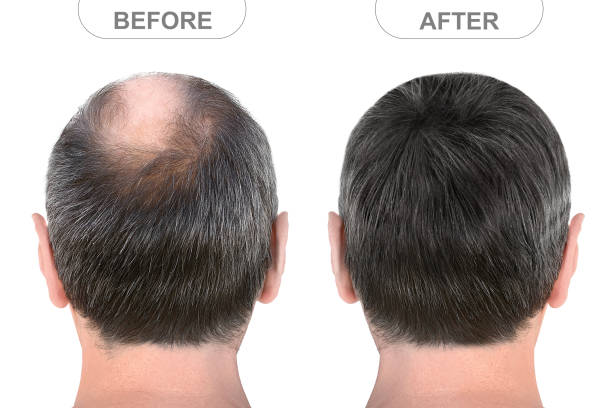
Hair transplant care plays a major role in protecting newly implanted grafts, supporting scalp recovery, and helping patients achieve natural-looking long-term results. The first few days require particular attention, but a consistent routine that includes gentle washing, proper sleeping habits, sun protection, nutrition, and adherence to the clinic’s instructions can support the healing process throughout the following weeks.
A hair transplant involves moving healthy hair follicles from a donor area to areas affected by thinning or hair loss. Although modern techniques such as Follicular Unit Extraction (FUE), Direct Hair Implantation (DHI), and Follicular Unit Transplantation (FUT) have improved precision and recovery, the scalp still needs time to heal after the procedure.
The transplanted follicles remain particularly delicate during the early recovery period. Physical pressure, scratching, excessive sweating, direct sunlight, or inappropriate hair products can irritate the scalp and interfere with proper recovery. Following a carefully structured hair transplant care routine helps patients protect the grafts while the scalp gradually returns to normal.
Post-operative care also affects comfort. Redness, mild swelling, tightness, sensitivity, and small scabs can appear during the first days. These symptoms often form part of the normal healing process, but patients should understand the difference between expected recovery signs and symptoms that require medical attention.
Once the surgeon places the grafts into the recipient area, the scalp begins a natural healing response. Tiny wounds gradually close, while the follicles adapt to their new environment.
During this period, patients should avoid treating the transplanted area like normal hair. Instead, they should follow the clinic’s washing instructions, avoid unnecessary contact, and protect the scalp from environmental factors.
The transplanted hairs may also shed during the weeks following surgery. This process, commonly called shock loss or shedding, does not necessarily mean that the hair transplant has failed. The follicle can remain healthy beneath the skin while it prepares to produce new hair during the growth phase.
The first 24 hours represent one of the most important stages of recovery. Newly placed grafts need protection from friction, pressure, and accidental manipulation.
Patients should follow the exact instructions provided by their surgeon because clinics may recommend different washing schedules, medications, sleeping positions, and scalp-care products. Avoid making independent changes simply because a particular routine worked for another patient.
During the first day, avoid touching, rubbing, scratching, or pressing the recipient area. Even gentle-looking contact can irritate sensitive tissue.
When you need to adjust clothing, choose loose shirts or garments that do not require you to pull fabric tightly over your head. This simple habit can reduce the risk of accidentally catching the transplanted area.
Many clinics recommend sleeping with the head elevated during the initial recovery period. An elevated position can help reduce facial or forehead swelling, particularly when swelling moves downward from the scalp.
A comfortable arrangement may include two pillows or a suitable reclining position. Avoid sleeping directly on the recipient area, especially during the earliest stage of recovery.
Your surgeon may recommend medications or topical products depending on your individual procedure and medical history. Take or apply them exactly as instructed.
Do not add new medications, supplements, creams, or hair-growth products without discussing them with your medical team. Individual medical circumstances can affect which products remain appropriate during recovery.
Washing your hair requires patience because aggressive cleaning can irritate the scalp. Your clinic should tell you when to begin washing and how to handle the transplanted area.
A typical post-transplant washing routine involves gentle movements rather than vigorous rubbing. Patients often need to apply shampoo carefully and rinse without directing strong water pressure toward the recipient area.
During the early recovery stage:
Scabs usually develop around implanted grafts as the small wounds heal. They should gradually loosen naturally rather than through aggressive picking.
The answer varies according to the surgical technique, graft placement, healing pattern, and surgeon’s protocol. Some clinics introduce gentle washing relatively early, while others provide different schedules.
Your surgeon’s post-operative instructions should always take priority over generic online advice. The same washing routine may not suit every patient.
Direct sunlight can irritate a healing scalp and may contribute to pigmentation changes. Patients should therefore take sun exposure seriously during the early recovery period.
Avoid prolonged outdoor exposure during the initial healing stage and follow your clinic’s recommendations regarding hats and other forms of protection. Do not place anything tightly against the scalp simply for the sake of protection.
Once your surgeon approves sunscreen use, choose a product appropriate for sensitive or healing skin. Avoid applying cosmetic products directly onto areas that still have open wounds unless your medical team specifically recommends them.
Exercise increases sweating and can temporarily increase blood flow and scalp sensitivity. Strenuous activity may also create situations where patients accidentally touch or rub their scalp.
For this reason, many clinics recommend avoiding intense workouts during the initial recovery period. Walking may provide a gentler option, but patients should still follow their own surgeon’s timeline.
You should also consider environmental conditions. A hot gym, sauna, steam room, or heavily polluted outdoor environment can create additional irritation during early recovery.
There is no universal return-to-exercise date because recovery varies from patient to patient. Your surgeon can determine when your scalp has recovered sufficiently for more demanding activity.
As you return to exercise, increase intensity gradually rather than immediately returning to your previous routine.
Your body needs adequate nutrients during tissue repair. A balanced diet can support normal wound healing and overall hair health.
Focus on meals that provide:
Protein deserves particular attention because the body uses amino acids to support tissue maintenance and repair. However, taking high-dose supplements without a documented deficiency does not automatically improve transplant results.
Food supplements should complement a balanced diet rather than replace it. Discuss supplements with your healthcare professional, particularly if you already take medication or have an underlying condition.
Recovery develops gradually rather than overnight. Understanding the typical timeline can help patients avoid unnecessary anxiety when their appearance changes during the first several months.
| Recovery Stage | What Patients May Notice | Recommended Focus |
|---|---|---|
| First 24 hours | Mild redness, sensitivity and possible swelling | Protect grafts and follow clinic instructions |
| First week | Scabs, redness and scalp sensitivity | Gentle washing and avoid scratching |
| Weeks 2–4 | Transplanted hairs may shed | Continue normal scalp-care guidance |
| Months 1–3 | Growth may appear limited | Maintain patience and follow medical advice |
| Months 3–6 | New hair growth becomes more noticeable | Continue consistent care |
| Months 6–12+ | Hair gradually becomes fuller and more mature | Monitor progress with your clinic |
These stages provide a general framework rather than a guaranteed schedule. Hair growth depends on factors such as follicle characteristics, donor quality, surgical technique, age, genetics, and individual healing.
Knowing what not to do can prove just as important as knowing what to do. Patients sometimes focus heavily on products and treatments while overlooking simple behaviors that can irritate the scalp.
Avoid:
Do not judge the final transplant result during the first few weeks. The transplanted hairs can shed before new growth begins, and the final appearance usually requires considerably more time.
Many patients assume that successful recovery ends once the scabs disappear. In reality, the hair-growth cycle continues for months.
A better approach involves treating the transplant as a long-term hair restoration process. Attend scheduled follow-up appointments, document progress with consistent photographs, and discuss unexpected changes with your surgeon rather than trying random treatments.
Regular photographs can provide a more objective view of progress because daily changes are often too subtle to notice. Take pictures under similar lighting, from similar angles, and at similar distances.
Scabs can feel uncomfortable or look unattractive, which may tempt patients to remove them manually. Picking can irritate the healing tissue and create unnecessary trauma.
Follow your clinic’s washing and scab-management instructions instead.
Feeling physically well does not necessarily mean that the scalp has completed its early recovery. Returning to heavy training too quickly can increase sweating and physical contact.
Resume demanding exercise according to your surgeon’s guidance.
Patients sometimes purchase multiple shampoos, oils, serums, vitamins, and topical products immediately after surgery. More products do not necessarily mean better recovery.
Keep your routine simple and introduce products only when your medical team considers them appropriate.
A hair transplant does not produce instant density. The transplanted follicles need to progress through their natural growth cycle.
Shedding during the early months can therefore cause unnecessary concern. Give the follicles time to enter the active growth phase.
Some redness, swelling, tenderness, and scabbing can occur during normal recovery. However, patients should contact their clinic if they notice symptoms that appear unusually severe, persistent, or progressively worse.
Pay particular attention to:
When in doubt, contact your transplant clinic instead of attempting to diagnose the problem yourself.
The basic principles of protecting the scalp apply across modern hair restoration procedures, but aftercare can vary according to technique.
FUE involves extracting individual follicular units from the donor area, while DHI uses an implantation approach that can differ in how surgeons place grafts. FUT involves removing a strip of donor tissue and therefore creates a different type of donor-area wound.
The surgeon’s technique, graft count, recipient area, and individual healing response can all influence aftercare. Patients should therefore request procedure-specific instructions rather than relying entirely on generic online recommendations.
Post-transplant care does not stop at scalp washing. Long-term hair health also depends on broader lifestyle factors.
Maintaining a balanced diet, managing stress, getting adequate sleep, avoiding unnecessary scalp trauma, and following professional recommendations can support overall hair health.
Patients should also remember that a transplant redistributes existing follicles rather than stopping every possible cause of future hair loss. If a doctor recommends medical treatment for ongoing pattern hair loss, following that treatment plan may help protect existing non-transplanted hair.
A simple routine can make recovery easier to manage. Instead of constantly checking the scalp, create a few consistent habits.
This routine keeps hair transplant care practical rather than complicated. Consistency generally matters more than constantly adding new products or techniques.
Hair restoration requires a long-term perspective. The first weeks can involve redness, scabbing, shedding, and temporary changes that make the transplant look less impressive than patients expected.
That temporary appearance does not necessarily represent the final outcome. New follicles need time to establish themselves and move through their natural growth cycle.
Patients who understand this process tend to approach recovery with more realistic expectations. Instead of looking for dramatic changes every few days, monitor progress over several months.
Effective hair transplant care combines gentle scalp management, proper hygiene, appropriate physical activity, sun protection, balanced nutrition, and close communication with your medical team. The first 24 hours deserve particular attention, but the recovery process continues long after the initial procedure.
The most important principle remains simple: follow the specific instructions provided by your surgeon. Generic advice can explain common recovery principles, but your medical team understands your procedure, graft placement, scalp condition, and individual healing needs better than any general guide.
The scalp usually progresses through several stages of healing over the first few weeks, while visible hair growth takes considerably longer. Individual recovery varies, so patients should follow their surgeon’s specific timeline.
The timing depends on your procedure and clinic protocol. Your surgeon should tell you when to start washing and how to clean the scalp without irritating the grafts.
Yes, transplanted hairs can shed during the early months after surgery. The follicle may remain beneath the skin and later produce new hair as it enters the appropriate growth phase.
Hair growth develops gradually, and patients commonly need several months before they can evaluate meaningful changes. Full maturation can take a year or longer depending on individual growth characteristics and the procedure.
