
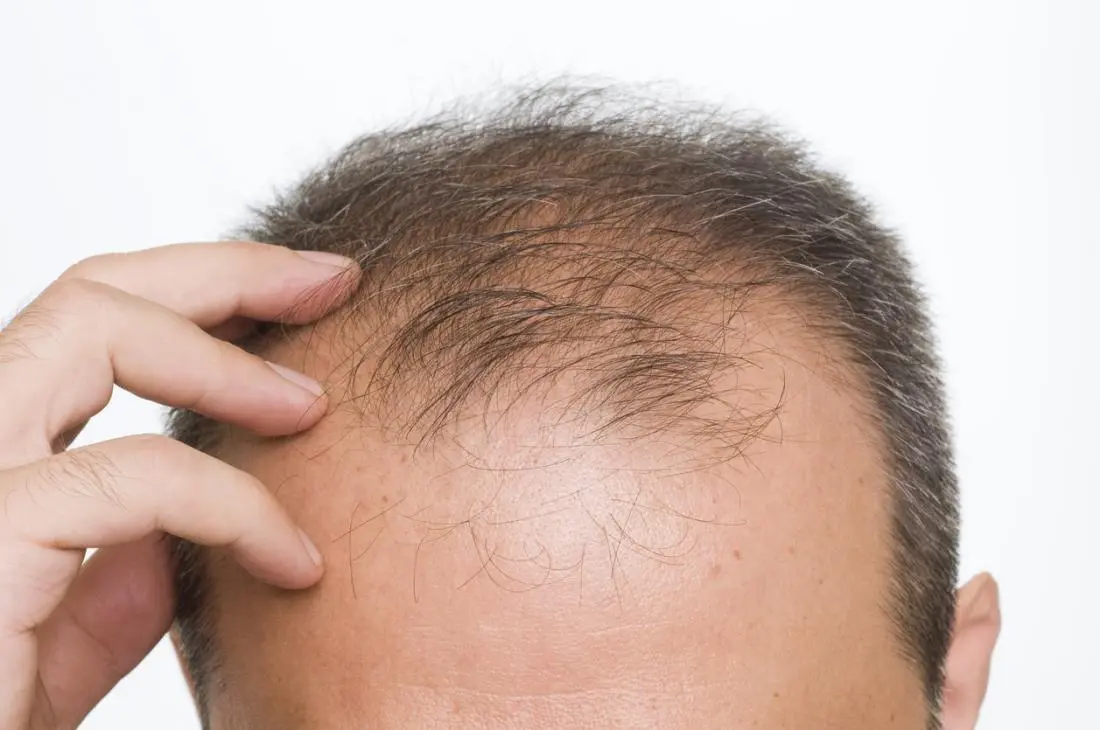
Hair loss treatments attract massive attention because people want options that deliver visible results without unnecessary risks. Many compare different solutions, trying to find the right balance between safety, convenience, and long-term effectiveness. In this guide, I compare modern approaches, highlight research-supported insights, and walk you through real user experiences. I explain how these treatments perform, what makes them unique, and how they fit into today’s fast-evolving hair-care landscape.
This article blends scientific clarity with a conversational tone, so you understand how these treatments behave in real-world use. Along the way, I use terms related to our target keyword, maintain natural readability, and create a structure that search engines and readers love.
Topical finasteride stands out because it aims to reduce scalp DHT levels while minimizing systemic exposure. Dermatologists and trichology specialists often recommend it for individuals who prefer a localized treatment with fewer systemic side effects. Studies show that topical formulas can help preserve hair density while reducing the progression of androgenetic alopecia.
People value topical solutions because they fit easily into daily routines. Users apply a small amount onto thinning areas, allowing the active ingredient to work directly on hair follicles. Many appreciate how the formula integrates with other treatments such as minoxidil or supportive scalp therapies. When combined strategically, they often report a more noticeable boost in regrowth and volume.
Clinicians monitoring long-term results observe consistent improvements in hair count and quality. Although response rates vary, topical formulas provide a solid option for individuals who may not tolerate oral medication. Because of this localized mechanism, many users gain confidence without worrying about unwanted systemic effects.
People who choose modern hair loss treatments share stories filled with relief, regained confidence, and improved self-image. Many users who try topical formulas describe early improvement in shedding, followed by density increases after a few months. These experiences build trust for those hesitant about starting a treatment plan.
Users often talk about how combining different therapies improves their outcomes. For example, some pair their chosen treatment with microneedling or supportive nutrition programs to maximize scalp health. They notice better texture, stronger strands, and reduced breakage after consistent use.
Success stories shine because they highlight real change. People enjoy documenting their progress with monthly photos, letting them track subtle improvements. As months pass, these visual logs keep them motivated. Many users say the greatest boost comes not from appearance alone, but from feeling in control again.
Community forums, social platforms, and dedicated hair-care groups also help newcomers understand what to expect. These shared experiences reduce anxiety and show that hair recovery is achievable with patience, consistency, and proper guidance.
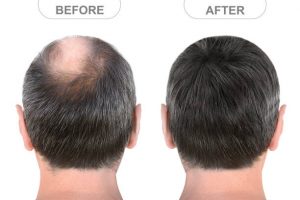
Choosing a treatment can feel overwhelming. Each option has advantages, limitations, and unique mechanisms. Understanding the differences helps people make confident decisions based on lifestyle, comfort, and long-term goals.
Below is a clear table comparing leading treatment options in today’s market:
| Treatment Type | How It Works | Typical Results Timeline | Best For |
|---|---|---|---|
| Topical finasteride | Lowers scalp DHT locally | 3–6 months | Users seeking reduced side effects |
| Oral finasteride | Systemic DHT reduction | 3–4 months | Aggressive hair loss stabilization |
| Minoxidil | Increases follicle blood flow | 2–4 months | Early-stage thinning and density boost |
| Low-level laser therapy (LLLT) | Stimulates cellular activity | 4–6 months | Non-chemical, tech-based approach |
| PRP injections | Uses platelet-rich plasma | 3–6 months | Users wanting clinical in-office results |
| Hair transplant surgery | Repositions follicles | Instant + 6–12 months | Advanced hair loss cases |
Modern hair loss treatments focus on either blocking DHT, stimulating follicle growth, or improving scalp health. DHT-blocking solutions slow the miniaturization process, making them crucial for long-term maintenance. Growth stimulators like minoxidil help awaken dormant follicles and boost thickness.
Technological solutions such as LLLT aim to energize follicular cells. Meanwhile, medical procedures like PRP therapy tap into natural healing mechanisms to strengthen follicles. Users who understand these mechanisms adjust their expectations and evaluate which treatment offers the most realistic benefits.
Combination therapy often outperforms single-method approaches. Dermatologists commonly suggest pairing a DHT blocker with a stimulant to maximize regrowth and preservation. This well-rounded strategy addresses both the cause and the visible symptoms of thinning hair.
Users evaluate several practical factors before committing to a treatment. Cost frequently plays a role, especially when considering long-term use. Convenience also influences decisions: topical formulas fit smoothly into routines, whereas clinical procedures require appointments and aftercare.
Lifestyle preferences matter as well. Some users prefer non-oral options due to concerns about systemic side effects. Others choose highly targeted approaches to maintain control over dosage and application. A few opt for advanced procedures because they want accelerated progress.
Dermatologists recommend selecting a treatment based on personal history, rate of hair loss, and expectations. Those experiencing early-stage thinning typically respond faster and maintain results more easily. Consistency remains the most important factor for success, regardless of treatment type.
Healthy scalps foster strong follicles. Treatments work more effectively when the scalp maintains balanced hydration, good circulation, and minimal inflammation. People who clean their scalp regularly and use supportive care routines often notice enhanced results.
Inflammation significantly affects follicular performance. Conditions like dandruff, irritation, or buildup can hinder progress. People who address these issues early often see better absorption and improved treatment performance. Incorporating gentle exfoliation and nourishing serums helps maintain an optimal environment for growth.
Good scalp health also boosts treatment longevity. Even after achieving desired density, maintaining a healthy scalp ensures continued progress and sustained results. Many users pair their treatment with calming masks, pH-balanced shampoos, and strengthening tonics.
Treatment efficacy improves when supported by smart lifestyle choices. Balanced nutrition fuels follicles with essential nutrients such as zinc, biotin, protein, and iron. Hydration keeps the scalp supple, promoting better elasticity and resilience.
Stress management also influences outcomes. Chronic stress disrupts hormone balance, leading to increased shedding. People who actively incorporate relaxation techniques, exercise, or improved sleep routines notice reduced shedding and improved texture.
Avoiding physical damage helps as well. Heat styling, tight hairstyles, and chemical treatments weaken strands. Users who protect their hair experience less breakage, allowing treatments to showcase their full potential.
Digital tools and smart devices help users track progress, identify patterns, and adjust routines. Many apps allow people to log daily application, note shedding patterns, and analyze photographic comparisons. This structured approach motivates consistency.
AI-powered scalp scanners in some clinics reveal follicle density, miniaturization levels, and future risk zones. These insights guide dermatologists in optimizing treatment plans. With precise data, users receive targeted advice that maximizes their results.
Low-level laser therapy devices also represent a growing technological trend. People who combine LLLT with other treatments often report improved thickness and vitality. Technology expands treatment possibilities and empowers users to take control of their hair journey.
Single treatments can work well, but combination therapy often offers superior results because it addresses different mechanisms simultaneously. For example, pairing a DHT-reducing treatment with a growth stimulator encourages follicles to remain active while supporting new growth.
Dermatologists frequently design personalized multi-step routines. Many include scalp care, nutritional support, and periodic clinical procedures. This layered approach establishes a strong foundation, accelerates visible improvements, and sustains long-term stability.
Combination therapy appeals to users looking for comprehensive solutions. When applied consistently, these routines often produce more dramatic transformations and longer-lasting density.
Hair growth takes time, and consistent application remains essential. People who skip applications or stop treatment prematurely usually see slower progress. Even the most effective treatments require continuous use to maintain results.
Progress tracking keeps motivation high. Many users photograph their hair monthly to see subtle changes that aren’t obvious day-to-day. These visual comparisons reinforce commitment and help identify whether adjustments are necessary.
Dermatologists encourage regular checkups, especially in the first six months. These visits allow professionals to monitor progress and fine-tune recommendations. With proper monitoring, users achieve more predictable and optimized outcomes.
Hair loss management works best as a long-term strategy rather than a quick fix. Users who embrace this mindset experience better success and fewer setbacks. Instead of searching for instant results, they prioritize steady improvement and maintenance.
Long-term planning includes evaluating product availability, budget considerations, and routine integration. Treatments that feel easy to maintain deliver far better results than complex regimens users struggle to follow. This is why many prefer topical solutions or simple daily routines over clinical procedures that require frequent scheduling.
Understanding that hair growth cycles operate slowly makes the process more manageable. Most treatments show visible results after several months, with continued improvement throughout the year. Patience becomes a powerful ally in achieving lasting transformation.
It focuses on targeted application, allowing the active ingredient to work directly on hair follicles. Users choose it because it delivers effective results while minimizing systemic exposure.
Most users begin noticing reduced shedding within a few months. Visible density improvements typically appear between the third and sixth month with consistent use.
Yes. Many users pair it with growth stimulators, scalp care routines, or technological therapies for enhanced results. Combination therapy often accelerates progress.
People experiencing early-stage thinning, those seeking a balanced treatment plan, and individuals who want targeted application without systemic effects benefit the most.
