

Hair transplants have become a transformative solution for individuals seeking to restore their hairline and confidence. However, achieving optimal results does not end with the procedure itself. Proper aftercare plays a crucial role in ensuring that the transplanted follicles thrive and the scalp heals effectively. In this guide, we explore the essential steps, recommended products, and practical tips that guarantee your hair transplant journey leads to a natural and long-lasting outcome.
Protecting newly transplanted hair follicles is the cornerstone of successful hair restoration. These follicles are delicate, and any form of trauma during the initial healing phase can affect growth.
Tip: Gentle handling of your scalp ensures that each follicle settles firmly in its new location. This simple step significantly increases the likelihood of natural growth.
Choosing the right products after a hair transplant accelerates healing and supports follicle vitality. Dermatologists often suggest products that are free from harsh chemicals and promote hydration.
Note: Always consult your surgeon before introducing new products to your scalp to avoid irritation or adverse effects.
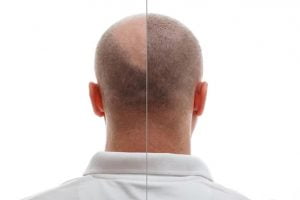
Maintaining scalp hygiene without disrupting the healing process is crucial. Cleanliness reduces the risk of infection and promotes healthy follicle growth.
Pro Tip: Use a spray bottle or a cup to pour water over the scalp instead of direct shower pressure. This protects the grafts while keeping the area clean.
Nutrition directly influences hair growth and scalp recovery. A diet rich in vitamins, minerals, and proteins enhances the success of your hair transplant.
| Nutrient | Benefits | Food Sources |
|---|---|---|
| Vitamin A | Promotes cell growth | Carrots, sweet potatoes |
| Vitamin E | Supports circulation | Almonds, spinach |
| Zinc | Strengthens follicles | Pumpkin seeds, beef |
| Biotin | Encourages hair strength | Eggs, salmon |
| Protein | Builds keratin | Chicken, legumes |
Tip: Consider integrating a balanced supplement if your diet lacks these essential nutrients. Always discuss with your doctor before starting any supplement regimen.
A few lifestyle changes can significantly enhance hair transplant results. Stress management, physical activity, and sleep routines all contribute to scalp health.
Tip: Gentle walks and light stretching promote circulation without disturbing transplanted follicles.
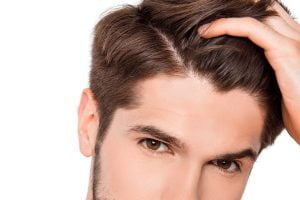
Some temporary side effects are normal after a hair transplant, but monitoring them ensures no complications arise. Common post-procedure experiences include redness, mild swelling, and tiny scabs.
Tip: Regular follow-ups with your surgeon allow early intervention in case of unexpected reactions.
Hair transplant success requires ongoing care even after the initial healing phase. Incorporating protective measures and a consistent hair care routine ensures lasting results.
Pro Tip: Maintaining scalp health is a lifelong commitment that enhances the aesthetic outcome of your hair transplant.
Caring for your hair after a transplant goes beyond simple hygiene. By protecting follicles, using the right products, maintaining proper nutrition, and adopting a healthy lifestyle, you optimize hair growth and achieve the natural, lasting results you desire. Each step of post-transplant care contributes to both the appearance and health of your hair.
You can gently rinse your scalp 24–48 hours post-surgery using lukewarm water, but avoid rubbing or direct pressure. Always follow your surgeon’s specific instructions.
Mild shampoos, healing ointments, and clinically approved growth solutions like minoxidil are generally safe. Always confirm with your surgeon before use.
Avoid intense workouts for at least two weeks. Light walking is acceptable and can help circulation without harming grafts.
Protect follicles, follow a healthy diet, use recommended products, and avoid trauma or stress on the scalp. Consistency is key to natural-looking results.
