
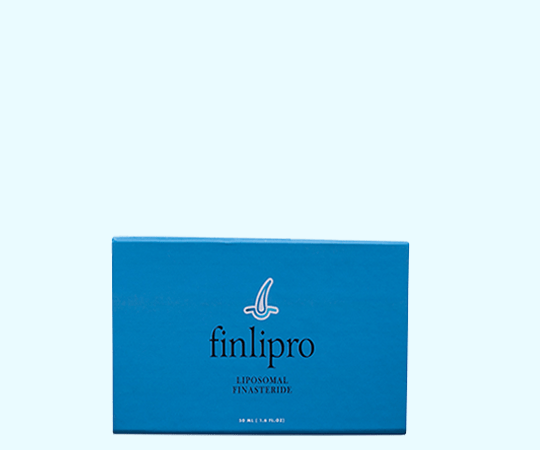
Hair loss affects confidence, self-image, and overall well-being for millions of men worldwide. As research advances, innovative treatments continue to reshape how we approach androgenetic alopecia and thinning hair. One of the most promising modern developments is Finlipro, a topical liposomal finasteride solution designed to promote fuller, healthier-looking hair while reducing systemic exposure.
Unlike traditional oral finasteride, this topical alternative aims to deliver targeted action directly to the scalp. By combining finasteride with liposomal delivery technology, it seeks to maximize follicle-level benefits while minimizing unwanted side effects.
This comprehensive guide explores how Finlipro works, what makes liposomal finasteride different, the scientific evidence behind it, real-world benefits, safety considerations, application tips, and frequently asked questions. If you are searching for a smarter, more advanced hair loss solution, this article will give you the depth and clarity you need.

To appreciate how topical finasteride works, it helps to understand the root cause of male pattern baldness. The primary driver behind androgenetic alopecia is dihydrotestosterone (DHT), a hormone derived from testosterone.
DHT binds to hair follicles in genetically susceptible individuals, gradually shrinking them over time. This process, known as follicular miniaturization, results in thinner strands, slower growth, and eventually, visible hair loss.
Key effects of DHT on hair follicles include:
Finasteride works by inhibiting the enzyme 5-alpha reductase, which converts testosterone into DHT. Lower DHT levels can slow or halt follicular miniaturization, preserving existing hair and supporting regrowth.
Topical liposomal finasteride represents an advanced method of delivering finasteride directly to the scalp rather than distributing it throughout the entire body. The “liposomal” component refers to microscopic lipid-based carriers that encapsulate the active ingredient.
These lipid vesicles enhance penetration into the scalp, improve absorption into hair follicles, and allow for controlled release over time. As a result, the formulation concentrates its action where it matters most—at the root of the hair—while reducing the amount of medication that enters systemic circulation.
Finlipro leverages this technology to create a more localized, targeted approach to hair restoration, offering a modern alternative for individuals who prefer not to take oral medication.

Liposomal technology sets this formulation apart from conventional topical or oral treatments. Traditional topical solutions may struggle with absorption or evaporation before reaching follicular targets. Liposomes, however, improve delivery efficiency by protecting the active ingredient and guiding it into deeper layers of the scalp.
Because liposomes mimic the structure of natural cell membranes, they integrate more easily into the skin barrier. This feature allows finasteride to reach its intended target more effectively.
By using Finlipro, users gain a scientifically engineered approach that combines precision, efficiency, and modern pharmaceutical innovation.
Scientific research continues to support the efficacy of topical finasteride, especially when enhanced with liposomal technology. Multiple studies indicate that topical formulations can reduce scalp DHT levels while maintaining lower systemic concentrations compared to oral administration.
Clinical trials have demonstrated that liposomal carriers improve drug penetration, enhance follicular targeting, and sustain therapeutic levels over time.
These findings support the growing adoption of topical liposomal finasteride as a promising option for individuals seeking effective hair loss management without systemic concerns.
Once applied to the scalp, Finlipro begins a multi-step process that targets the biological mechanisms behind hair thinning.
By lowering DHT concentrations where hair follicles are most vulnerable, this treatment helps preserve existing strands and may encourage gradual thickening over time.
Many users choose topical liposomal finasteride because it aligns with both performance and lifestyle preferences. Its design prioritizes targeted effectiveness, convenience, and a modern approach to hair care.
Regular application can help slow hair loss progression while enhancing the appearance of density and coverage.
This treatment may suit a wide range of individuals experiencing early to moderate hair thinning. It can also serve as a maintenance solution for those who have stabilized their hair loss through other methods.
Consulting a qualified healthcare professional ensures that the treatment aligns with individual health profiles and expectations.
Oral finasteride has long served as a standard hair loss treatment, but topical liposomal alternatives offer distinct advantages for certain users.
| Feature | Oral Finasteride | Topical Liposomal Finasteride |
|---|---|---|
| Delivery Method | Systemic (whole body) | Localized (scalp) |
| DHT Reduction | Whole-body | Primarily scalp-focused |
| Side Effect Risk | Higher systemic exposure | Lower systemic exposure |
| Application | Daily pill | Daily topical solution |
| User Preference | Convenient | Targeted and non-oral |
This comparison highlights why many individuals explore topical solutions as a more controlled and localized alternative.
Consistent and proper application plays a critical role in achieving optimal results. Users should follow recommended dosage instructions and maintain a routine for best outcomes.
Hair restoration requires patience, as visible improvements often emerge gradually over time.
Many users achieve better results by integrating topical finasteride into a broader hair care regimen.
A holistic approach can amplify outcomes and support healthier hair growth cycles.
While topical liposomal finasteride generally shows a favorable safety profile, users should remain informed about possible reactions.
Most side effects appear mild and resolve with adjusted usage. Speaking with a medical professional ensures personalized guidance and safe long-term use.
Hair restoration treatments require time, consistency, and realistic expectations. Users typically progress through several phases.
Results vary based on genetics, adherence, and overall health, but commitment significantly influences outcomes.
Beyond topical treatments, lifestyle choices can meaningfully impact hair health.
Healthy habits strengthen the foundation for sustainable hair regrowth.
As science evolves, hair loss treatments continue to become more targeted, effective, and user-friendly. Finlipro embodies this progress by combining pharmacological expertise with advanced delivery systems.
Its localized action, liposomal penetration technology, and favorable safety profile position it as a forward-thinking option for individuals seeking fuller, healthier hair without relying on oral medication.
By prioritizing both efficacy and user comfort, Finlipro offers a compelling path toward improved hair density and confidence.
Topical liposomal finasteride can significantly reduce scalp DHT and support hair maintenance. While oral finasteride remains highly effective, topical formulations provide comparable localized benefits with potentially fewer systemic effects.
Most users begin noticing reduced shedding within three months. Visible thickening and density improvements often appear between six and twelve months of consistent use.
Yes. Many users safely combine topical finasteride with minoxidil to enhance follicle stimulation and improve overall hair growth outcomes.
When used as directed under medical supervision, Finlipro can serve as a long-term maintenance treatment for managing hair thinning and preserving density.
