
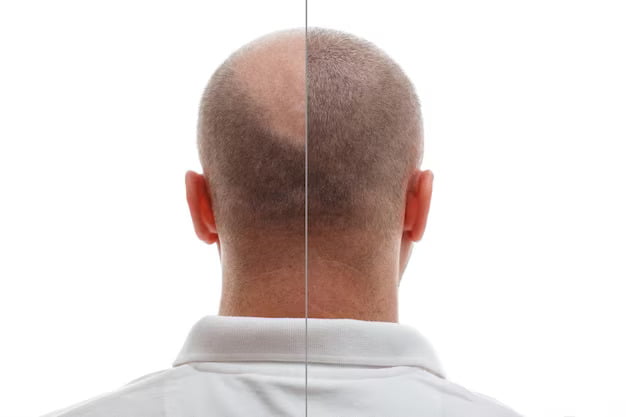
Hair thinning and loss affect millions of people worldwide, impacting confidence and self-esteem. Fortunately, multiple strategies exist to improve hair density, ranging from natural remedies to medically proven treatments. Understanding which methods truly deliver results can save both time and money while promoting healthier, fuller hair. In this guide, we explore approaches that work and how you can integrate them into your routine effectively.

When considering hair density improvement, it’s essential to weigh natural remedies against medical treatments. Natural approaches often focus on nourishing hair from the inside out using vitamins, minerals, and lifestyle changes. Conversely, medical treatments target the root causes of hair thinning, such as hormonal imbalances or follicle miniaturization.
Balancing natural and medical approaches often delivers the best outcomes, depending on individual needs and hair loss causes.
Finasteride is a clinically proven oral medication that works by inhibiting dihydrotestosterone (DHT), a hormone linked to male pattern baldness. By lowering DHT levels, finasteride prevents hair follicle miniaturization, allowing existing hair to grow thicker and stronger.
Studies have shown that consistent use over 6-12 months results in noticeable improvement in hair density for most users. Combining finasteride with topical treatments like minoxidil often amplifies results.

Healthy habits are crucial for supporting hair density. Small daily adjustments can make a significant difference over time.
| Approach | Key Benefit | Recommended Frequency |
|---|---|---|
| Biotin Supplements | Strengthens hair follicles | Daily |
| Rosemary Oil Massage | Stimulates scalp circulation | 3-4 times per week |
| Minoxidil Topical Solution | Promotes hair regrowth | Twice daily |
| Finasteride (Oral) | Reduces DHT, prevents thinning | Daily |
Integrating multiple strategies often yields superior results. Combining medical treatments like finasteride with supportive lifestyle changes accelerates progress. For example:
A: Most users notice improvement within 6-12 months. Early results may include reduced shedding and thicker new hair growth.
A: Natural remedies support hair health but may not reverse significant hair loss. They work best alongside medical treatments.
A: Finasteride is generally not recommended for women of childbearing age due to potential side effects. Alternative treatments may be more suitable.
A: Applying oils 2-4 times per week helps stimulate circulation without overloading the scalp.
