
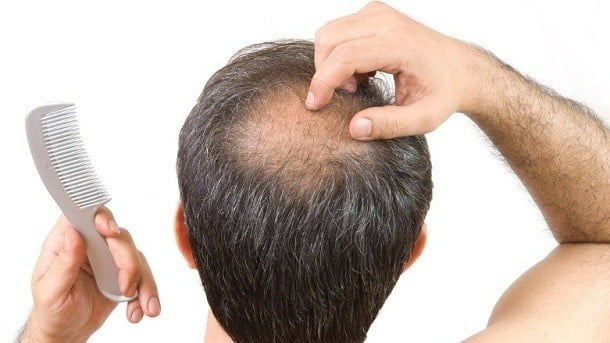
Hair loss can feel overwhelming, but you are not alone. Millions of people experience thinning hair at different stages of life, and the good news is that modern science combined with natural remedies provides plenty of solutions. In this blog, I’ll walk you through effective hair loss treatment options, share natural approaches, and answer questions people often ask out loud when they’re worried about their hair health. Grab a cup of tea and let’s dive in.
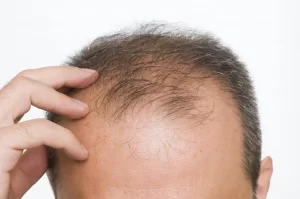
When someone starts noticing more hair on their pillow or in the shower drain, the first thought is: “What’s the best hair loss treatment for me?” The truth is, the answer depends on the cause of your hair loss. Common medical treatments include:
These treatments work well for many, but it’s important to consult a dermatologist or trichologist to decide which option suits your lifestyle, age, and health condition.
This is one of the most common questions: “Can hair grow back without medication?” While natural methods may not provide miracles, they can definitely support hair strength and reduce shedding. A few natural approaches include:
These methods can’t completely replace medical hair loss treatment, but they serve as valuable support in your overall hair health journey.
| Treatment | How it Works | Who It’s For | Effectiveness |
|---|---|---|---|
| Minoxidil | Stimulates hair follicles when applied topically | Men & Women | Moderate to High |
| Finasteride | Reduces hormone-related hair loss | Men Only | High |
| PRP Therapy | Injects platelet-rich plasma into scalp | Men & Women | Moderate |
| Hair Transplant | Moves healthy follicles to thinning areas | Men & Women | Very High |
| Natural Remedies | Nutrition, oils, scalp massage | Men & Women | Supportive |
“Why am I losing so much hair all of a sudden?”
Sudden shedding can be due to stress, illness, hormonal changes, or nutritional deficiencies. If it lasts longer than three months, see a doctor.
“Does shampoo really stop hair loss?”
Shampoos can clean and strengthen hair, but they don’t address deeper causes like hormones or genetics. They are supportive, not curative.
“How long before I see results from treatment?”
Most hair loss treatment options take at least three to six months before noticeable improvements appear.
“Will all my hair grow back?”
That depends on the type of hair loss. Some types, like androgenetic alopecia, may not be reversible but can be slowed and managed effectively.
If you’re feeling lost about where to begin, here’s a practical list:
Can hair loss stop on its own?
Yes, temporary shedding from stress or illness can often resolve naturally, but chronic conditions usually need treatment.
Do vitamins really help with hair loss?
They help if your loss is related to a deficiency. Otherwise, supplements alone may not be enough.
Are natural oils a substitute for medical treatments?
No, but they can enhance scalp health and support regrowth alongside medical therapies.
Is hair transplant permanent?
Yes, transplanted follicles typically last a lifetime, though surrounding native hair may still thin over time.
