
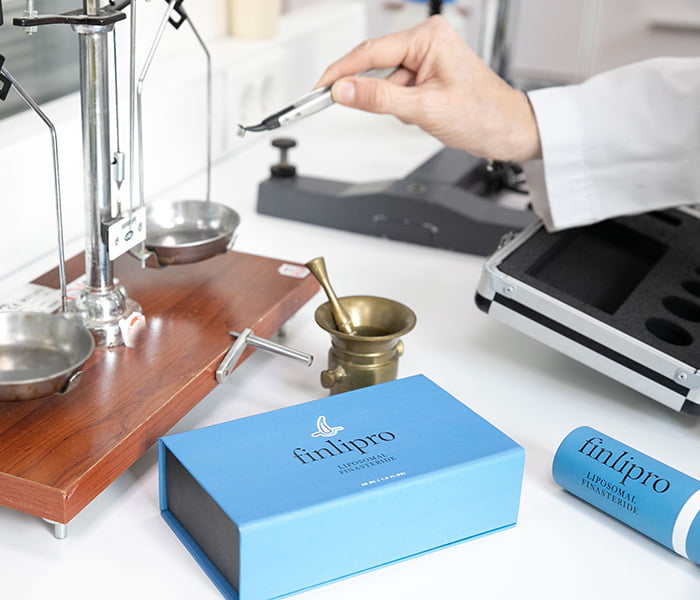
Hair Transplant: Everything you need to know starts with how surgeons plan and execute the procedure. A modern hair transplant typically uses one of three methods: FUE (Follicular Unit Excision), FUT (strip), or DHI (Direct Hair Implantation). Clinics like Finlipro begin with a thorough consultation, reviewing family history, miniaturization patterns, and donor density. During surgery, healthy follicles are harvested from the back and sides, then implanted to recreate a natural hairline and density. With refined tools and meticulous graft handling, survival rates often exceed 90% when protocols are followed correctly (Source, 2025). Expectations and timing differ by technique and individual goals.
The step-by-step flow starts with mapping a personalized hairline, considering facial proportions, age, and future loss. Donor evaluation includes measuring follicle caliber and density to avoid overharvesting. After local anesthesia, FUE removes individual grafts, while FUT excises a narrow strip for microscopic dissection. Channels or implantation sites are then created, aligned to the proper angle and direction. Finally, grafts are placed to maximize visual density and feathered at the hairline for a soft, non-pluggy look. High-quality post-op instructions and gentle care are crucial for graft survival and long-term success (Source, 2025).
Choosing the right technique often hinges on downtime, hairstyle preferences, and graft needs. FUE favors short hairstyles due to dot-like scars, while FUT can yield large graft numbers for advanced balding in a single session. DHI streamlines placement with implanter pens, potentially reducing graft exposure time. Costs, session length, and discomfort vary slightly, but all methods rely on precise planning and experienced teams. The table below compares the main options so you can weigh trade-offs before booking a procedure. A skilled surgeon will explain why one approach suits your goals, hair type, and donor capacity best.
| Method | Extraction | Scarring | Session Size | Downtime | Best For | Watch-outs |
|---|---|---|---|---|---|---|
| FUE | Individual follicles | Tiny dot scars | Small–large | Fast recovery | Short hairstyles, moderate loss | Overharvesting if poorly planned |
| FUT | Strip then dissection | Linear scar | Large | Moderate recovery | Advanced loss, high graft counts | Scar visibility with very short cuts |
| DHI | FUE + implanter pens | Tiny dot scars | Small–medium | Fast recovery | Dense packing, minimal channel time | Operator-dependent consistency |
Arrive well-rested, fed, and in button-down clothing to avoid rubbing the recipient area when leaving. After final hairline checks and photos, local anesthesia is administered; most patients relax, watch videos, or nap. Extraction and placement proceed in stages with short breaks, hydration, and snacks. The team tracks graft counts by hair numbers (1s, 2s, 3s+) to optimize natural density distribution. Before discharge, you’ll receive washing instructions, a saline spray routine, and medication guidance. Expect a protective bandage on the donor area and a sleep protocol to minimize swelling and keep grafts safe for the first nights.
Local anesthesia numbs the donor and recipient zones in minutes, and top-ups keep you comfortable throughout. Many clinics use vibration devices or buffering to reduce injection sting. If you’re anxious, mild oral sedation can be discussed during the consult phase. Comfort breaks are scheduled to stretch and maintain circulation, which helps you stay relaxed during longer sessions. Communication is continuous—if pressure or sensitivity appears, your team adjusts immediately. Post-op, mild soreness and tightness are common but usually manageable with over-the-counter pain relievers, cold compresses on the forehead, and careful sleep positioning (Source, 2025).
Graft vitality hinges on minimal out-of-body time, correct hydration, and gentle handling. Teams categorize single-hair units for hairlines and multi-hair units for density behind the front. Implanter pens or fine forceps place follicles at natural angles to match native flow. Cool storage solutions and strict timing protocols protect follicles from dehydration and heat. With precise technique, documented survival commonly reaches 90–95%, translating into fuller coverage once growth begins at months 3–4 and matures by 12–15 months (Source, 2025). Following care instructions amplifies these gains and reduces the risk of shock loss and inflammation.
In recovery, Hair Transplant: Everything boils down to gentle care, patience, and vigilance. Days 1–3 often include forehead swelling that settles with elevation and cold compresses away from grafts. Scabs typically form and shed between days 7–10 as you start gentle washing. Temporary shedding of transplanted hairs, called shock loss, is expected around weeks 2–4, with regrowth beginning at months 3–4. Visible density builds steadily through months 6–9, refining in year one. Consistency with aftercare—saline sprays, careful shampooing, and avoiding pressure on grafts—can meaningfully influence outcomes (Source, 2025).
Adopt practical habits: sleep semi-upright for 3–5 nights, avoid hats that press on grafts, and pause strenuous exercise and saunas for 10–14 days. Use the provided spray to keep grafts moist, then transition to surgeon-approved washes that lift scabs without rubbing. Limit alcohol and smoking to support blood flow, and prioritize protein and hydration for healing. If prescribed, finish antibiotics and anti-inflammatories exactly as directed. Resist scratching or picking; gentle tapping around itchy areas helps. A silk or satin pillowcase reduces friction, and loose-fitting tops prevent accidental snags when changing clothes.
Common risks include infection, folliculitis, prolonged redness, and swelling beyond a few days. Well-run clinics report low infection rates when patients follow protocols, often below 2% (Source, 2025). Other risks are overharvesting, visible donor depletion, and unnatural hairlines if artistry is lacking. Rare complications such as skin necrosis generally relate to excessive tension or poor vascularity but are mitigated by conservative planning and spacing (Source, 2025). Numbness may persist for weeks and then fade. Most side effects are temporary and respond to simple measures like saline, topical care, and time.
Set clear expectations: new follicles rest before sprouting, and the “ugly duckling” phase can test patience. Photograph progress monthly instead of daily for a realistic view of growth. Your surgeon may discuss adjuvant therapies—topicals, low-level laser, or PRP—to support native hair if miniaturization continues (Source, 2025). Expect a follow-up schedule at 1 week, 3 months, 6 months, and 12 months, with touchpoints for questions in between. Outcomes depend on donor quality, technique, and compliance with care. Think long-term planning, especially if you’re young and likely to experience future loss.

Use saline spray as instructed during the first days, then progress to guided washes that bubble shampoo over grafts without rubbing. Sleep with head elevated and a travel pillow to prevent contact. Avoid sun exposure and heat; if you must go out after day 10, use a loose, non-contact cap and SPF on healed skin. Keep caffeine, alcohol, and smoking low for the initial week to support circulation. Resume light cardio after day 7 if approved, and weights after day 14. Document milestones with photos and bring questions to scheduled follow-ups for timely adjustments.
Reach out if you experience spreading redness, warmth, fever, escalating pain, or pus—these suggest infection requiring prompt care. Persistent, asymmetric swelling after day 5, foul odor, or blackened skin warrants urgent evaluation. Excessive bleeding that doesn’t stop with gentle pressure, or accidental trauma to the recipient area, should also be reported. Unusual numbness lasting beyond several weeks can be assessed during follow-up. Early communication prevents small issues from becoming setbacks, and your team can tailor solutions quickly—from topical adjustments to brief medication courses—to protect grafts and recovery momentum (Source, 2025).
Think beyond surgery day—Hair Transplant: Everything includes maintaining native hair. Many patients use proven therapies to stabilize ongoing miniaturization, preserving the contrast between transplanted density and existing hair. Plan haircuts that respect donor limitations, and avoid frequent tight fades if FUT scarring visibility concerns you. Schedule yearly reviews to discuss evolving loss patterns and potential second-pass refinements. Treat scalp health seriously: manage dandruff, reduce inflammation, and consider gentle shampoos and conditioners. With smart maintenance and realistic expectations, results remain harmonious as your hair—and style—continues to evolve over time (Source, 2025).
Most procedures last 6–9 hours depending on graft counts, breaks, and technique. You’ll spend time on consultation, design, anesthesia, extraction, site creation, and implantation. Large sessions may be split across consecutive days to protect graft quality and patient comfort.
You’ll feel brief stings during local anesthesia, then numbness takes over and the remainder is usually comfortable. Mild soreness or tightness can occur afterward, managed with over-the-counter pain relief and cold compresses on the forehead, not on grafts. Discomfort generally fades within a few days.
Transplanted hairs shed in weeks 2–4 and regrow starting months 3–4. Noticeable density emerges by months 6–9, with refinement through 12–15 months. Crown maturation can take slightly longer due to hair direction and light reflection patterns (Source, 2025).
It depends on your goals, donor quality, hairstyle, and graft needs. FUE suits short cuts and flexible harvesting; FUT can deliver high graft numbers for advanced loss; DHI may help dense packing with reduced handling. A skilled surgeon will match the method to your priorities after assessment.
Shock loss is often temporary and tied to surgical stress and existing miniaturization. Gentle aftercare, avoiding pressure, and evidence-based therapies may reduce its extent and speed recovery (Source, 2025). Regrowth typically follows as follicles cycle back to anagen.
Desk work is common after 2–3 days, while jobs with helmets or heavy exertion may require 10–14 days. Light cardio often resumes after day 7, and weight training after day 14, if your surgeon approves. Always prioritize graft safety over speed.
For expert tips, patient stories, and transparent guidance on planning your procedure, follow us on our social channels. Stay informed about new techniques, recovery insights, and realistic timelines from trusted professionals.
