
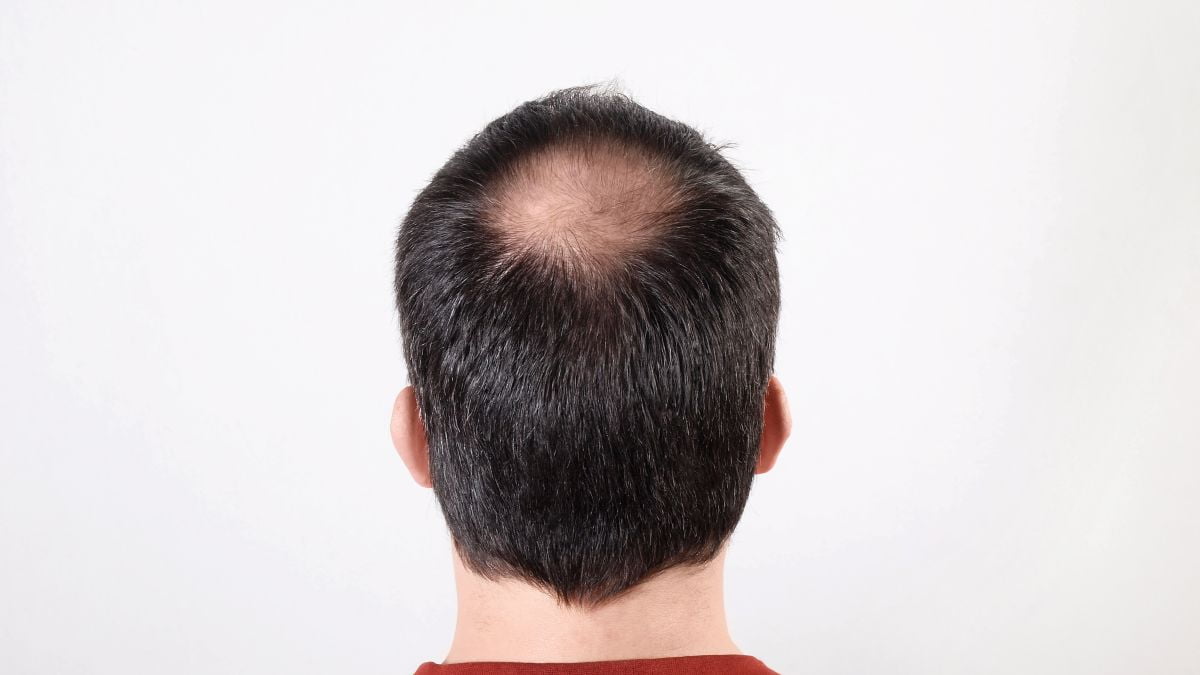
For many people, hair loss isn’t just a cosmetic change—it’s something that affects confidence, self-image, and even daily interactions. A hair transplant can offer a permanent, natural-looking solution. In this comprehensive guide, we’ll walk through everything from finding the right specialist to caring for your new hair after the procedure. You’ll also see answers to real-life questions people often ask aloud, plus a visual breakdown of the process so you can feel fully prepared.
The choice of specialist can determine the success and natural appearance of your results. An experienced hair restoration doctor understands not only the surgical process but also the artistry required to design a natural hairline. They evaluate your scalp health, hair density, and future hair loss patterns. They should also show you real patient results—not just stock images. A good specialist listens to your goals, sets realistic expectations, and explains each step in detail.

Preparation plays a huge role in how smoothly the procedure goes and how quickly you recover. A specialist will assess your medical history, lifestyle habits, and hair growth patterns. You may be asked to stop certain medications, avoid smoking, and limit alcohol in the weeks before the procedure. These adjustments improve blood circulation and healing.
| Preparation Step | Why It’s Important | When to Do It |
|---|---|---|
| Scalp Evaluation | Determines hair donor area quality | 2–4 weeks before |
| Stop Blood Thinners | Reduces risk of excessive bleeding | 7–10 days before |
| Adjust Hair Length | Makes extraction and implantation easier | Day before procedure |
| Balanced Diet | Supports optimal healing and regrowth | 2–3 weeks before |
Most modern hair restoration surgeries use techniques like Follicular Unit Extraction (FUE) or Follicular Unit Transplantation (FUT). Both methods involve taking healthy hair follicles from a donor area and implanting them into thinning or bald regions. The process can last several hours, depending on the number of grafts needed. You’ll remain awake but numbed with local anesthesia, and you can usually watch TV or listen to music throughout.
After the surgery, how you care for your scalp directly impacts your results. Mild swelling or redness is normal for a few days. Your doctor will provide aftercare instructions that may include gentle washing, avoiding direct sunlight, and sleeping with your head elevated. Follow-up visits are essential to track progress and catch any issues early.
Yes—when performed by a skilled specialist, the result blends seamlessly with your existing hair. The direction, angle, and density of the transplanted hair are carefully matched to your natural growth pattern.
Most people report minimal discomfort thanks to local anesthesia. You may feel mild soreness afterward, similar to a sunburn.
Initial shedding is common within the first few weeks. Noticeable new growth usually appears around 3–4 months, with full results visible after 9–12 months.
Absolutely. While hair thinning patterns differ between men and women, many women are excellent candidates for surgical restoration.
Opting for a hair transplant is a personal decision, often driven by the desire for renewed confidence and self-image. By choosing the right specialist, preparing well, and committing to proper aftercare, you give yourself the best chance at long-lasting, natural-looking results. Remember, it’s not just about restoring hair—it’s about restoring how you feel when you look in the mirror.
