
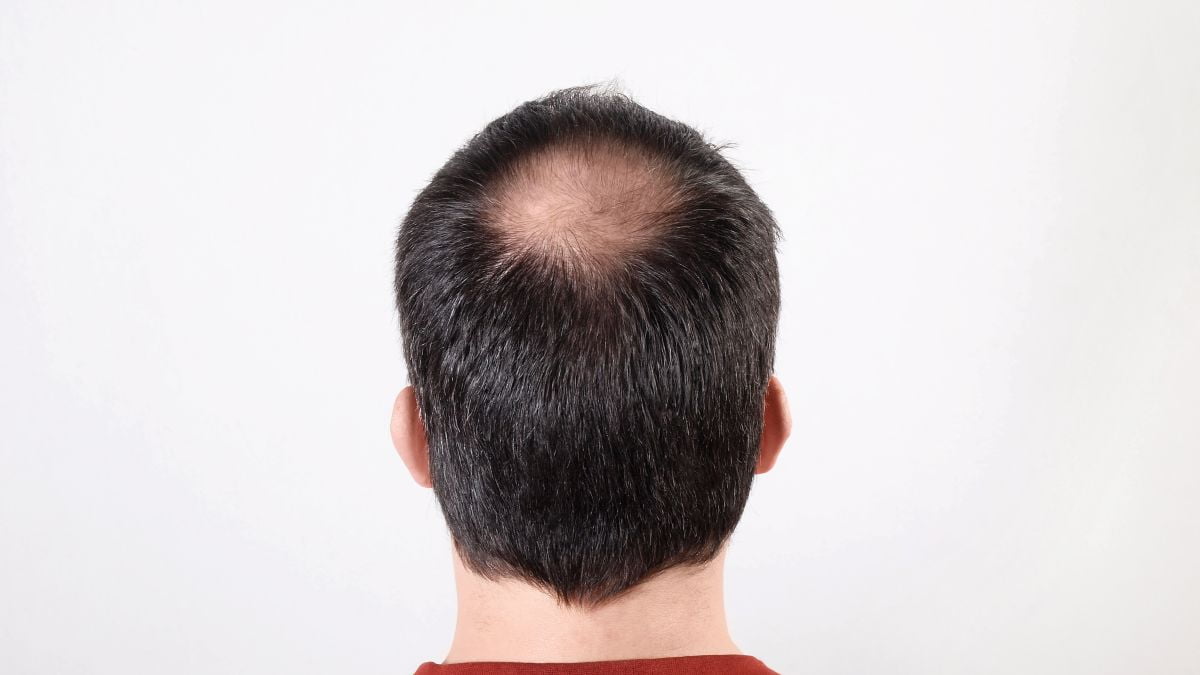
Hair loss no longer feels like an irreversible destiny. Thanks to modern medical advancements and innovative pharmaceutical technologies, people now have access to safer, more effective, and more sustainable hair restoration solutions. Among the most promising developments, Hair Transplant & Liposomal Finasteride: The Future of Hair Restoration stands out as a powerful combination that reshapes how we approach long-term hair health.
Hair transplant surgery has evolved from a cosmetic luxury into a mainstream, reliable medical procedure. At the same time, liposomal finasteride has emerged as a next-generation topical treatment designed to reduce side effects while maximizing hair retention. When these two solutions work together, they create a synergistic system that not only restores lost hair but also preserves existing follicles.
This article explores the science, benefits, mechanisms, and long-term potential of combining hair transplantation with liposomal finasteride. If you are considering a transplant or looking for ways to maintain and enhance your results, this guide will help you understand why this innovative pairing may define the future of hair restoration.
Liposomal finasteride represents a modern evolution of traditional finasteride therapy. While oral finasteride has long been used to treat androgenetic alopecia, it often raises concerns about systemic side effects. Liposomal delivery technology changes this dynamic by targeting the scalp directly.
This formulation encapsulates finasteride within microscopic lipid-based carriers known as liposomes. These liposomes improve penetration through the scalp while limiting systemic absorption. As a result, the medication focuses its action on hair follicles rather than circulating throughout the body.
Key features of liposomal finasteride include:
By addressing the limitations of traditional finasteride, liposomal formulations provide a more refined, patient-friendly alternative. This makes it particularly appealing to individuals who want to preserve their hair without compromising overall health or comfort.
Hair transplant surgery relocates healthy hair follicles from donor areas to thinning or bald regions. However, while transplanted hair is typically resistant to DHT, surrounding native hair may still remain vulnerable to progressive thinning.
Liposomal finasteride plays a crucial role in protecting these native follicles. By reducing DHT activity at the scalp level, it slows down the miniaturization process that causes ongoing hair loss. This creates a more stable environment where both transplanted and original hair can thrive.
Benefits of combining hair transplantation with liposomal finasteride include:
Instead of viewing hair transplantation as a one-time solution, this combined approach transforms it into a long-term maintenance strategy. Patients experience fuller, more natural outcomes that remain stable for years.
Dihydrotestosterone (DHT) plays a central role in genetic hair loss. This hormone binds to susceptible hair follicles, gradually shrinking them until they stop producing visible hair. Over time, this process leads to thinning, recession, and baldness.
Finasteride works by inhibiting the enzyme responsible for converting testosterone into DHT. However, systemic suppression of DHT can sometimes affect hormonal balance in other parts of the body. Liposomal finasteride minimizes this concern by focusing the drug’s activity at the scalp.
The localized approach offers multiple advantages:
By aligning advanced drug delivery with a deeper understanding of hair biology, this method represents a smarter and more sustainable way to fight hair loss.
Hair transplantation delivers impressive aesthetic results, but it does not stop the natural progression of genetic hair loss. Without supportive treatment, non-transplanted areas may continue to thin, leading to uneven density over time.
This is why post-transplant medical therapy matters. Liposomal finasteride helps maintain balance across the scalp, ensuring that transplanted hair blends seamlessly with preserved native hair.
Relying on surgery alone can result in:
By integrating targeted pharmaceutical care, patients create a comprehensive restoration plan that protects both current and future hair.
One of the strongest advantages of liposomal finasteride lies in patient comfort. Unlike oral medication, topical application reduces concerns about sexual or hormonal side effects, which often discourage long-term adherence.
Patients frequently report:
When combined with hair transplantation, this ease of use encourages consistent maintenance. Consistency, in turn, leads to more stable and predictable long-term results.
Hair restoration is a gradual process that unfolds over several months. Understanding the timeline helps set realistic expectations and improves overall satisfaction.
| Phase | Timeframe | What Happens |
|---|---|---|
| Initial Healing | Weeks 1–4 | Transplanted follicles settle and scalp recovers |
| Shedding Phase | Months 1–3 | Temporary shedding of transplanted hairs |
| Regrowth Phase | Months 3–6 | New hair begins to grow stronger |
| Maturation Phase | Months 6–12 | Hair thickens, density improves |
| Maintenance | Ongoing | Liposomal finasteride helps preserve results |
The true power of this approach lies in long-term sustainability. Hair restoration should not only deliver immediate aesthetic improvements but also protect against future loss.
Long-term benefits include:
By addressing both restoration and prevention, this strategy redefines what successful hair treatment means.
Hair loss affects more than appearance—it often influences self-esteem, confidence, and social interactions. Restoring hair can dramatically improve emotional well-being, professional confidence, and overall quality of life.
Patients frequently describe:
The combination of surgical restoration and liposomal maintenance ensures that this confidence lasts, reinforcing a positive self-image over time.
Not everyone experiences hair loss in the same way, and treatment plans should reflect individual needs. Ideal candidates for combining transplant surgery with liposomal finasteride typically include:
A personalized consultation with a hair restoration specialist ensures the most effective treatment strategy.
One of the key strengths of liposomal finasteride is its improved safety profile. By limiting systemic absorption, it reduces the likelihood of unwanted side effects often associated with oral medication.
Possible minor effects may include:
Most patients tolerate the treatment well, especially when following professional guidance. This makes it a viable option for long-term use.
Hair restoration does not exist in isolation. Lifestyle choices play a critical role in maximizing results and maintaining scalp health.
Supportive habits include:
When combined with medical treatment, these habits strengthen follicles and enhance overall hair quality.
Although combining hair transplant surgery with liposomal finasteride may involve upfront investment, the long-term value often outweighs the cost. Preserving results reduces the need for repeat surgeries, making it a cost-effective solution over time.
Patients gain:
When viewed as a long-term investment in appearance and confidence, the value becomes clear.
Medical research continues to refine hair restoration techniques. Advances in regenerative medicine, stem cell therapy, and drug delivery promise even more effective solutions in the coming years.
The integration of Hair Transplant & Liposomal Finasteride: The Future of Hair Restoration represents a stepping stone toward fully personalized, sustainable hair treatment ecosystems.
As technology progresses, patients can expect:
The future of hair restoration looks brighter than ever.
Is liposomal finasteride safer than oral finasteride?
Yes. Liposomal finasteride targets the scalp directly, which reduces systemic absorption and lowers the risk of widespread side effects.
When should I start liposomal finasteride after a hair transplant?
Most specialists recommend starting after the initial healing phase, typically within a few weeks, depending on individual recovery.
Can liposomal finasteride replace a hair transplant?
It can slow or prevent hair loss but cannot restore areas where follicles are already inactive. Surgery remains necessary for regrowth in bald areas.
How long do I need to continue using liposomal finasteride?
For best results, long-term and consistent use is recommended to maintain hair density and prevent future thinning.

U.S. Support 213-298-6733
© 2023 finlipro All rights reserved.