Hair Transplant Methods, Benefits, and Recovery Process
Hair Transplant Methods, Benefits, and Recovery Process
Hair Transplant Methods, Benefits, and Recovery Process
Hair loss affects millions of people worldwide, impacting self-esteem and confidence. Fortunately, modern medical advancements offer effective solutions. Hair transplant has become a popular option for those seeking long-term results. This comprehensive guide explores the methods, benefits, and recovery process of hair transplant surgery.
What Is Hair Transplant?
A hair transplant is a surgical procedure that moves hair follicles from a part of the body with dense hair (usually the back of the scalp) to thinning or balding areas. Doctors typically use two main techniques: Follicular Unit Transplantation (FUT) and Follicular Unit Extraction (FUE).
FUT involves removing a strip of scalp and dissecting it into individual grafts.
FUE extracts individual hair follicles directly from the donor area.
These methods allow surgeons to achieve natural-looking results. Choosing the right technique depends on hair type, donor area density, and patient preferences.
Benefits of Hair Transplant
Restores natural hairline and density.
Long-lasting results with minimal maintenance.
Boosts self-confidence and overall appearance.
Modern techniques ensure minimal scarring, faster recovery, and high graft survival rates, making hair transplant a reliable choice for both men and women experiencing hair thinning.
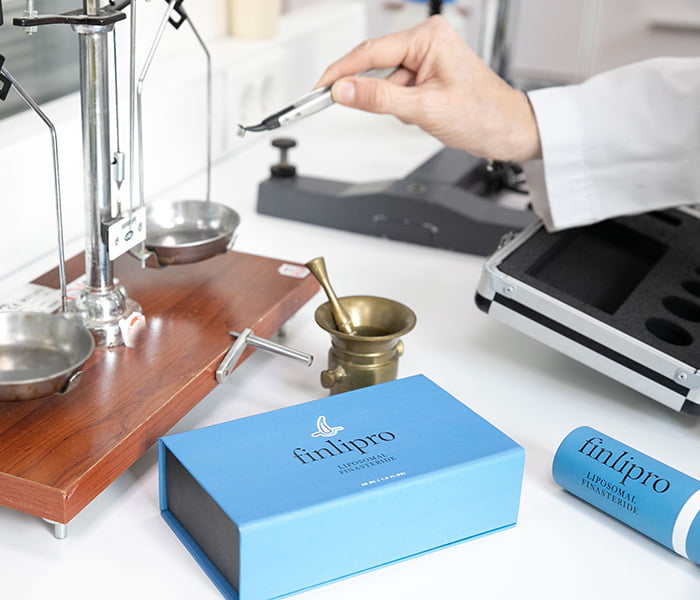
Liposomal Fenistrade What Is Finasteride
Hair Transplant Methods
Follicular Unit Transplantation (FUT)
FUT is ideal for patients who need large coverage areas. Surgeons remove a thin strip of skin from the back of the head, then separate it into individual follicular units. The units are implanted into the balding areas.
Advantages of FUT
Allows transplantation of a large number of grafts in a single session.
Typically lower cost than FUE for large areas.
Considerations
Leaves a linear scar, which may be visible with very short hairstyles.
Longer recovery compared to FUE.
Follicular Unit Extraction (FUE)
FUE is a minimally invasive method that removes individual hair follicles using a micro-punch device. Surgeons implant the extracted follicles into thinning areas.
Advantages of FUE
No linear scar; only small dot scars that heal quickly.
Faster recovery and less discomfort.
Considerations
More time-consuming for large transplant areas.
Slightly higher cost compared to FUT for extensive procedures.
Other Techniques
Some clinics offer advanced methods like Direct Hair Implantation (DHI) or robotic-assisted transplants. These innovations improve precision and graft survival.
Comparison Table of Hair Transplant Methods
Method
Procedure
Recovery Time
Scar Visibility
Ideal For
FUT
Strip excision
2-3 weeks
Linear scar
Large areas
FUE
Individual follicle extraction
1-2 weeks
Minimal dot scars
Small to medium areas
DHI
Direct implantation
1-2 weeks
Minimal
Precision restoration
Robotic FUE
Robot-assisted extraction
1-2 weeks
Minimal
High-precision cases
Benefits of Hair Transplant
Hair transplant surgery offers more than just physical improvements. Patients experience psychological and social advantages, enhancing overall well-being.
Physical Benefits
Permanent hair restoration in most cases.
Achieves natural hair growth patterns.
Minimal maintenance required after full growth.
Psychological Benefits
Increased self-confidence and self-image.
Reduced anxiety related to hair loss.
Social interactions improve due to enhanced appearance.
Aesthetic Benefits
Allows reshaping of hairlines for a youthful look.
Corrects bald patches or thinning areas effectively.
Compatible with other cosmetic procedures if desired.
Post-Surgery Care for Better Results
Proper care after hair transplant is crucial for achieving optimal outcomes. Following surgeon instructions ensures graft survival and prevents complications.
Immediate Post-Operative Care
Avoid touching or scratching transplanted areas.
Keep the scalp clean but gentle; use recommended shampoos.
Sleep with your head elevated to reduce swelling.
First Month After Surgery
Avoid strenuous activities that increase blood pressure.
Do not expose the scalp to direct sunlight or extreme heat.
Follow medication and topical treatments as prescribed.
Long-Term Care
Expect initial shedding of transplanted hair (normal phase).
Hair will gradually regrow over 6-12 months.
Maintain a healthy diet and lifestyle to support hair health.
Tips for Enhancing Recovery
Stay hydrated and eat protein-rich foods.
Avoid smoking and alcohol during the first month.
Attend follow-up appointments for monitoring progress.
Potential Risks and Complications
Although hair transplant is generally safe, patients should be aware of possible risks:
Infection or bleeding at donor or recipient sites.
Temporary swelling or redness.
Shock loss (temporary shedding of existing hair).
Rare cases of unnatural hair growth if grafts are improperly placed.
Choosing an experienced surgeon and reputable clinic minimizes these risks significantly.
Choosing the Right Clinic
Selecting a qualified clinic directly impacts results. Look for:
Board-certified surgeons with extensive experience.
Transparent pricing and treatment plans.
Access to advanced techniques like FUE, DHI, or robotic-assisted procedures.
Positive patient reviews and before/after photos.
Visiting multiple clinics and asking detailed questions helps you make an informed decision.
Costs and Considerations
Hair transplant costs vary based on technique, number of grafts, and clinic reputation. Understanding cost factors ensures realistic expectations:
FUT may cost less for large sessions.
FUE usually costs more per graft but offers minimal scarring.
Additional treatments like PRP (Platelet-Rich Plasma) can enhance results.
Insurance rarely covers cosmetic hair transplant procedures, so planning financially is essential.
Conclusion
A hair transplant offers a long-lasting solution for hair loss with both aesthetic and psychological benefits. Choosing the right method, clinic, and following proper post-operative care significantly improves outcomes. With modern techniques like FUT, FUE, DHI, and robotic assistance, patients can achieve natural-looking hair and regain confidence.
Frequently Asked Questions
How long does it take to see results after a hair transplant?
Typically, transplanted hair sheds within 2-3 weeks, then regrows gradually. Full results appear around 6-12 months post-surgery.
Is hair transplant painful?
Doctors use local anesthesia during the procedure, minimizing pain. Mild discomfort or swelling may occur afterward but resolves quickly.
Can women undergo hair transplant surgery?
Yes, women with thinning hair or pattern baldness can benefit from modern hair transplant techniques, especially FUE.
Will my transplanted hair fall out?
While initial shedding is normal, transplanted follicles are permanent. Proper care and maintenance help sustain long-term results.

 What Is Hair Transplant?