
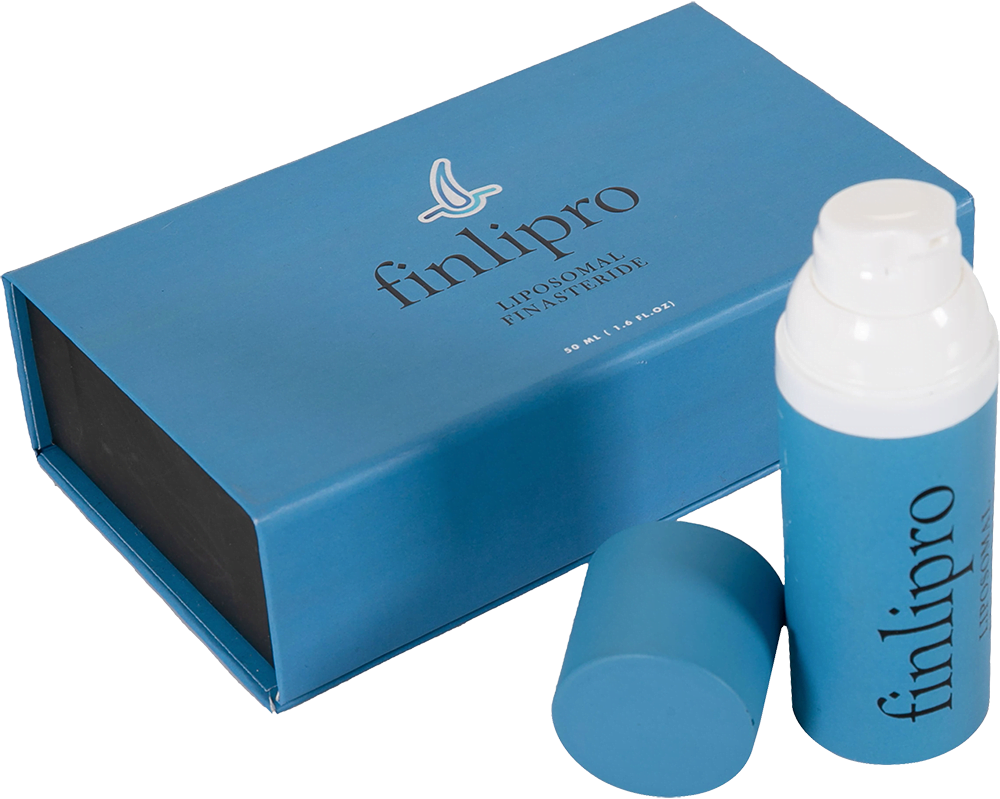
Hair loss rarely starts as a medical concern. For most people, it begins quietly—extra strands in the shower drain, a widening part line, or a receding hairline that refuses to ignore the mirror. Over time, that subtle change turns into a deeply personal issue affecting confidence, self-image, and daily habits. As science advances, hair loss treatments evolve beyond one-size-fits-all solutions. One of the most promising innovations reshaping the landscape is Liposomal Finasteride, a formulation designed to improve effectiveness while minimizing common drawbacks.
Traditional hair loss treatments have helped millions, yet they also introduced challenges related to absorption, consistency, and side effects. Researchers and clinicians now explore smarter delivery systems that work with the body instead of against it. Liposomal technology stands at the center of this evolution, offering a more targeted, refined, and patient-friendly approach.
This article explores how liposomal delivery changes the way finasteride works, why it matters for hair health, and how it compares to conventional formulations. Whether you’re new to hair loss treatment or searching for a more advanced option, this guide breaks down everything you need to know—clearly, honestly, and thoroughly.

Hair loss, particularly androgenetic alopecia, develops through a complex interaction of genetics, hormones, and follicle sensitivity. Dihydrotestosterone (DHT) binds to hair follicles and gradually shortens the growth cycle. Over time, hair becomes thinner, weaker, and eventually stops growing altogether.
Finasteride works by inhibiting the enzyme 5-alpha reductase, which converts testosterone into DHT. Lower DHT levels allow hair follicles to recover and maintain healthier growth cycles. This mechanism has proven effective for decades, making finasteride a cornerstone of modern hair loss treatment.
However, effectiveness alone does not define a perfect treatment. Absorption efficiency, systemic exposure, and patient tolerance all influence real-world outcomes. That’s where formulation science steps in and reshapes what finasteride can do.
Drug delivery determines how well a treatment performs once it enters the body. Traditional formulations rely on passive diffusion, which limits how much active ingredient reaches the target tissue. Liposomal delivery changes that dynamic entirely.
Liposomal systems encapsulate active compounds inside microscopic lipid-based vesicles. These vesicles mimic the structure of human cell membranes, allowing them to merge more easily with the skin and follicular barriers.
This enhanced compatibility creates several advantages:
By protecting the active compound from degradation, liposomes ensure more of the medication reaches its intended destination. As a result, Liposomal Finasteride delivers finasteride more efficiently without requiring higher concentrations.
Better absorption also means predictable performance. Users experience steadier results because the formulation works in harmony with the scalp’s natural structure rather than fighting against it.

Liposomes consist of phospholipid bilayers similar to those found in human skin cells. This structural similarity allows them to integrate seamlessly with biological tissues. When applied topically, liposomes travel through the scalp’s lipid matrix and release the active compound near the hair follicle.
This mechanism matters because hair follicles serve as direct gateways into deeper skin layers. Liposomal carriers take advantage of this pathway and deliver finasteride exactly where DHT activity causes damage.
Unlike conventional topical solutions that evaporate or disperse unevenly, liposomal formulations maintain stability and remain active longer. This sustained interaction supports healthier follicles over time.
Standard finasteride formulations typically fall into two categories: oral tablets and simple topical solutions. While both options work, they introduce limitations that newer delivery systems aim to overcome.
Liposomal Finasteride offers a more refined balance between efficacy and safety.
Oral finasteride affects the entire body’s hormone balance. Even though many users tolerate it well, some experience unwanted effects that discourage long-term use. Liposomal delivery focuses activity where it matters most—at the scalp level—without flooding the bloodstream.
Topical non-liposomal formulations, on the other hand, often struggle with penetration. Much of the active ingredient never reaches the follicle, limiting effectiveness and wasting product.
Below is a simplified comparison highlighting how liposomal delivery stands apart:
| Feature | Oral Finasteride | Standard Topical | Liposomal Delivery |
|---|---|---|---|
| Targeted Action | Low | Moderate | High |
| Systemic Exposure | High | Low | Very Low |
| Absorption Efficiency | High | Variable | Optimized |
| Scalp Tolerance | Not Applicable | Moderate | High |
| Long-Term Suitability | Variable | Moderate | Strong |
This comparison shows why liposomal systems attract attention among dermatologists and hair restoration specialists seeking better outcomes with fewer compromises.
Side effects remain one of the biggest concerns for people considering finasteride. Even when statistically uncommon, fear alone prevents many from starting or continuing treatment.
Liposomal delivery addresses this concern by limiting how much finasteride enters systemic circulation. The formulation concentrates its activity in the scalp rather than spreading throughout the body.
This localized approach often leads to:
When users feel confident in a treatment’s safety profile, they remain more committed. Consistency plays a crucial role in hair regrowth success, and liposomal formulations support that behavioral aspect as much as the biological one.
Not every hair loss case looks the same. Genetics, age, progression rate, and lifestyle all influence treatment response. Liposomal formulations appeal particularly to individuals seeking balance—strong results without unnecessary risk.
This approach suits:
Because liposomal delivery integrates easily into topical routines, it fits modern, multi-step hair care regimens without disruption.
Hair loss treatment works best when approached holistically. Finasteride addresses hormonal factors, but optimal results often involve complementary strategies.
Liposomal formulations integrate well with:
By supporting follicle health on multiple levels, users create an environment where hair regrowth thrives rather than struggles.
Hair loss does not resolve overnight, and no treatment delivers instant transformation. Sustainable improvement depends on consistency, tolerance, and realistic expectations.
Liposomal delivery supports long-term use by:
Over time, this steady approach allows follicles to recover gradually and maintain healthier growth cycles.
Researchers continue exploring advanced delivery systems to refine hair loss treatments further. Liposomal technology already shows promising safety data across dermatological applications, not just hair restoration.
Because liposomes rely on biocompatible materials, they integrate smoothly with skin biology. Ongoing research focuses on optimizing particle size, release timing, and formulation stability to maximize benefits.
As interest grows, clinical understanding deepens, paving the way for even more precise applications in the future.
Using liposomal formulations typically involves topical application to clean, dry scalp areas. The formulation absorbs quickly and does not interfere with daily styling routines.
Best practices include:
Small habits reinforce the formulation’s effectiveness and support better long-term outcomes.
Hair loss solutions must evolve alongside patient expectations. Today’s users value personalization, safety, and transparency as much as results. Liposomal delivery represents that evolution—combining proven science with modern pharmaceutical design.
Liposomal Finasteride reflects a broader shift toward smarter, patient-centered treatment models. It does not replace traditional options entirely, but it expands possibilities for those seeking a more tailored experience.
Liposomal formulations use lipid-based carriers that improve penetration and protect the active ingredient. This allows more finasteride to reach hair follicles while minimizing loss and irritation.
For many users, liposomal delivery offers comparable benefits with lower systemic exposure. However, individual response varies, and treatment decisions should align with personal goals and medical guidance.
Most users notice reduced shedding within a few months. Visible regrowth typically appears between three to six months with consistent use.
Yes. Its improved tolerability and localized action make it well-suited for ongoing maintenance when used consistently as part of a broader hair care routine.
