
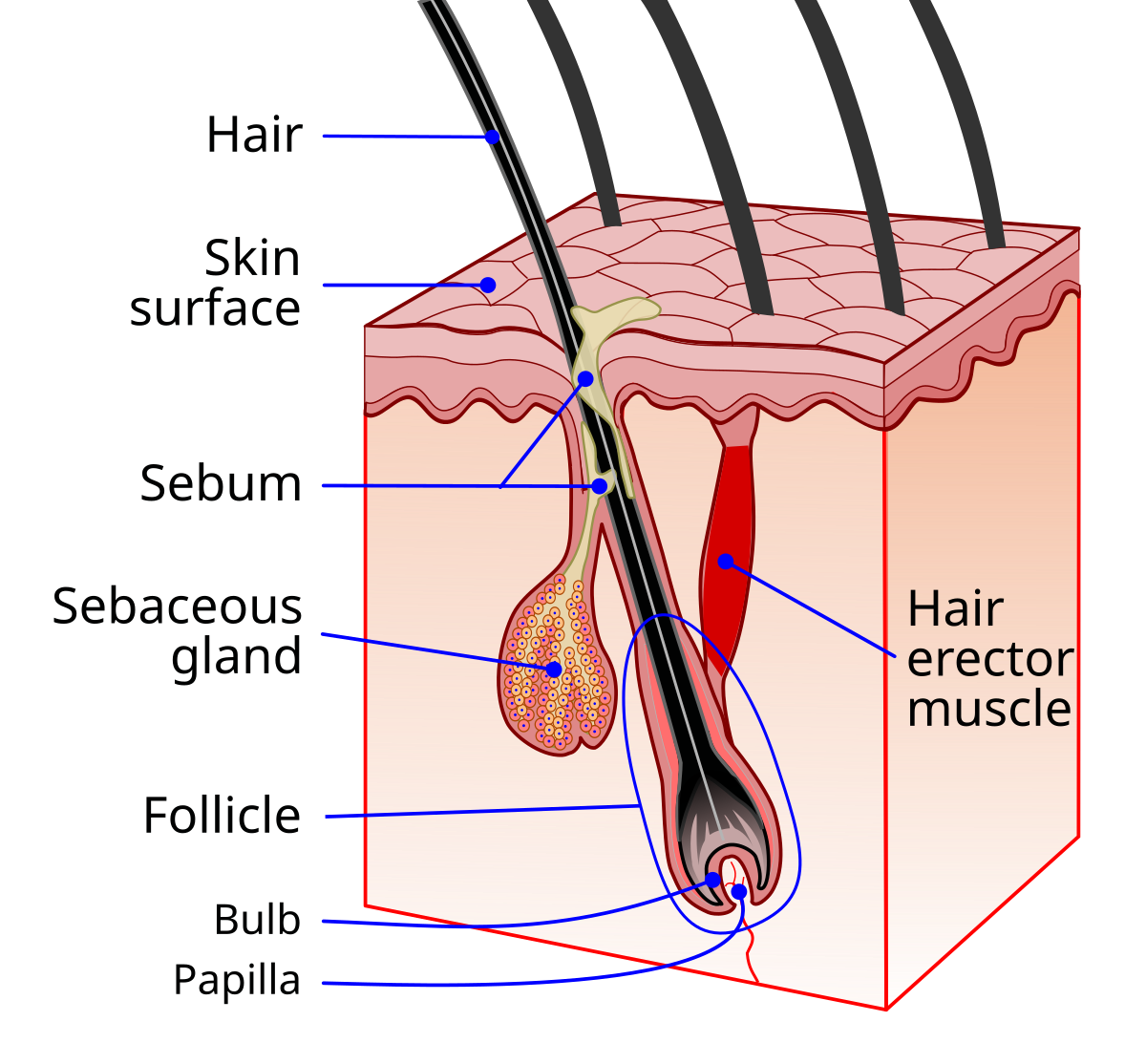
Hair loss affects millions worldwide, and the search for effective solutions continues. Among the most talked-about treatments today is topical finasteride, particularly Finlipro. But does it really deliver on its promises? In this article, we will explore the scientific evidence, the mechanism of action, and how effective liposomal formulations truly are.
Hair loss isn’t just about aesthetics—it impacts confidence, social interactions, and overall quality of life. That’s why understanding the tools available, like topical finasteride, matters. Unlike oral medications, topical applications target the scalp directly, potentially reducing systemic side effects while focusing on the areas that need it most.
Research into topical finasteride has grown over the past decade. Studies consistently show that applying finasteride directly to the scalp can inhibit the enzyme 5-alpha-reductase. This enzyme converts testosterone into dihydrotestosterone (DHT), which is a primary factor in hair follicle miniaturization.
Clinical trials highlight that patients using topical finasteride experience significant reductions in hair shedding. In several studies, participants reported improvements comparable to oral finasteride but with lower systemic exposure. This means fewer side effects like decreased libido or hormonal imbalance.
Dermatologists increasingly recommend topical finasteride for patients who are sensitive to oral treatments. Its localized approach allows for higher concentrations at the scalp while limiting absorption into the bloodstream.
Liposomal formulations enhance the delivery of finasteride to the scalp. By encapsulating the active ingredient in liposomes—tiny lipid-based carriers—absorption into hair follicles improves. This method increases efficacy while maintaining safety.
Studies show that liposomal finasteride can penetrate deeper into the scalp tissue than standard solutions. This allows for a more direct impact on hair follicles, promoting growth and reducing miniaturization. Patients often notice visible improvements within 3–6 months of consistent use.
Liposomal technology also supports sustained release, meaning the active ingredient remains effective longer after application. This can reduce the frequency of application and improve overall adherence to treatment plans.

Understanding how topical finasteride works helps clarify why it is effective. When applied, the medication inhibits 5-alpha-reductase locally. This prevents DHT from damaging hair follicles, allowing the follicles to remain healthy and produce thicker hair strands.
Unlike oral treatments, topical applications do not significantly affect testosterone levels in the body. This reduces the risk of systemic side effects while targeting the problem at its source.
Additionally, liposomal formulations can enhance follicular uptake, ensuring the medication reaches the areas that need it most. This combination of targeted delivery and enzymatic inhibition explains why Finlipro shows promising results.
Choosing between oral and topical finasteride depends on patient goals and tolerances. Oral finasteride has been the gold standard for decades, offering systemic DHT inhibition. However, it carries potential side effects such as hormonal imbalance and sexual dysfunction.
Topical finasteride, particularly in liposomal form, focuses treatment locally. This reduces systemic exposure while maintaining efficacy. Studies suggest that hair density improvements with topical formulations often match those of oral treatments, especially over the first year of use.
| Feature | Oral Finasteride | Topical Finasteride (Finlipro) |
|---|---|---|
| Systemic Absorption | High | Low |
| DHT Reduction | Whole body | Localized to scalp |
| Hair Regrowth Efficacy | High | High |
| Side Effects | Possible (sexual, hormonal) | Minimal |
| Application Frequency | Daily pill | Daily or every other day topical |
| Follicle Penetration | Indirect | Direct, enhanced with liposomes |
Consistency is key when using topical finasteride. Dermatologists recommend applying it once daily to the affected scalp areas. Avoid washing the scalp immediately after application to allow full absorption.
For liposomal formulations, a small amount spread evenly ensures better penetration. Patients may combine topical finasteride with other treatments like minoxidil for enhanced results. However, consulting a healthcare professional before combining therapies is essential.
Monitoring results through photos or hair density measurements every few months helps track progress. Most users notice improvement after 12–24 weeks of consistent application.
One of the main advantages of topical finasteride is its reduced systemic side effects. While oral finasteride can affect hormone levels and sexual function, topical formulations generally limit these risks.
Some users may experience mild local irritation, redness, or itching at the application site. These effects are usually temporary and resolve with continued use. Rarely, systemic absorption can occur, emphasizing the importance of following recommended dosages.
Healthcare providers often monitor patients periodically to ensure safety, especially for long-term use. Overall, topical finasteride presents a favorable safety profile compared to its oral counterpart.
Combining therapies can maximize hair regrowth potential. Topical finasteride pairs well with minoxidil, a vasodilator that stimulates follicle growth. When used together, patients often experience faster and more noticeable results.
Other supportive strategies include:
These complementary approaches do not replace finasteride but enhance overall efficacy.
Many users of Finlipro report noticeable improvements in hair density within 3–6 months. Early signs include reduced hair shedding and increased thickness of existing hair strands. Long-term users often see stabilization of hair loss and improved scalp coverage.
Patient reviews highlight satisfaction with minimal side effects and ease of use. The liposomal formulation is particularly praised for comfort and reduced scalp irritation compared to traditional solutions.
Hair follicle recovery depends on two key factors: inhibition of DHT and stimulation of follicle activity. Topical finasteride addresses the first, while complementary treatments can support the second.
Finlipro targets the anagen phase, the active growth stage of hair follicles. By reducing DHT exposure during this phase, follicles remain healthy and capable of producing thicker hair. This approach aligns with dermatological recommendations for treating androgenetic alopecia.
Androgenetic alopecia isn’t the only condition that causes hair thinning. While topical finasteride is primarily studied for male and female pattern hair loss, it may benefit other forms of thinning caused by hormonal factors.
Patients with diffuse thinning often respond well when the medication is applied consistently to affected regions. However, hair loss from autoimmune conditions or scarring alopecia requires different interventions.
Consistency is vital for long-term success. Discontinuing topical finasteride can lead to gradual return of hair loss, similar to oral treatments. Long-term studies indicate that continuous use maintains hair density and prevents further miniaturization.
Periodic monitoring and adjustments based on patient response optimize outcomes. Consulting a dermatologist ensures safe and effective management of chronic hair loss.
Topical finasteride, especially in liposomal formulations like Finlipro, represents a promising solution for hair loss. It offers targeted DHT inhibition, minimal systemic absorption, and a favorable safety profile.
For patients seeking alternatives to oral medications, topical finasteride provides a scientifically backed, effective option. When combined with complementary treatments, it can support hair regrowth, reduce shedding, and improve overall hair density.
Topical finasteride is a localized treatment that inhibits the 5-alpha-reductase enzyme in the scalp. This prevents DHT from shrinking hair follicles, allowing hair to grow thicker and stronger.
Yes, liposomal formulations enhance absorption into hair follicles. The encapsulated delivery system allows the active ingredient to penetrate deeper, improving efficacy while reducing side effects.
Most patients notice reduced shedding and initial hair growth after 3–6 months of consistent application. Maximum results typically appear after 12 months of regular use.
Side effects are generally mild, including scalp irritation or redness. Systemic effects are rare due to minimal absorption, making topical finasteride safer than oral alternatives.
