Topical Finasteride (Finlipro): A Modern Solution for Hair Loss Treatment
Topical Finasteride (Finlipro): A Modern Solution for Hair Loss Treatment
Topical Finasteride (Finlipro): A Modern Solution for Hair Loss Treatment
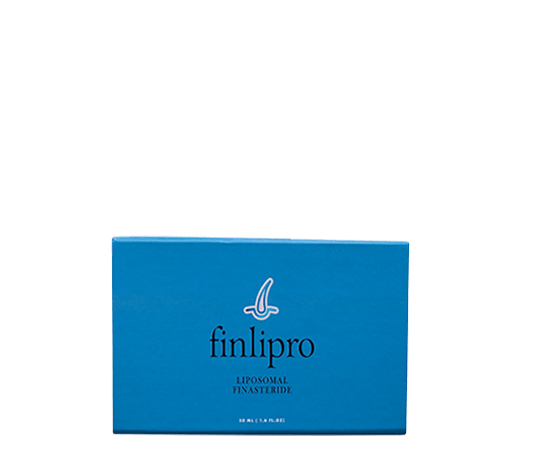
Hair loss affects millions worldwide, impacting confidence and daily life. Among the treatments available, topical finasteride (Finlipro) has emerged as a modern solution that targets hair thinning effectively with fewer systemic side effects compared to oral medications. This article explores what finasteride is, its mechanisms, the differences between oral and topical forms, and practical advice for achieving optimal results.
Hair Density
What Is Finasteride?
Finasteride is a pharmaceutical compound initially developed to treat benign prostatic hyperplasia (BPH). It works by inhibiting the enzyme 5-alpha-reductase, which converts testosterone into dihydrotestosterone (DHT). DHT is a primary factor in androgenetic alopecia, commonly known as male pattern baldness.
By lowering DHT levels in hair follicles, finasteride slows hair thinning, strengthens existing hair, and can even stimulate regrowth. Research indicates that finasteride can reduce scalp DHT by up to 60–70%, which is sufficient to halt or reverse hair miniaturization in many patients.
Mechanism of Action
DHT Reduction: Finasteride blocks 5-alpha-reductase type II in the scalp.
Regrowth Stimulation: Dormant follicles regain strength and thickness.
Expert Tip:Topical finasteride applies the same principle locally, minimizing the systemic DHT reduction seen with oral finasteride. This allows sensitive individuals to benefit from treatment while lowering the risk of side effects like decreased libido.
Oral finasteride is traditionally prescribed at a daily dose of 1 mg, ingested as a pill. While highly effective, it may cause systemic side effects in a minority of users. Topical finasteride, such as Finlipro, is applied directly to the scalp and has distinct advantages.
Feature
Oral Finasteride
Topical Finasteride (Finlipro)
Administration
Daily pill
Scalp application
Systemic absorption
High
Low
Common side effects
Libido reduction, erectile dysfunction
Rare, minimal
Targeted action
Whole body
Local scalp DHT reduction
Convenience
Easy, but daily pill
May require careful application
Key Takeaways:
Topical finasteride reduces systemic exposure, which is particularly valuable for those concerned about sexual side effects.
Both forms effectively combat hair thinning, but topical solutions allow flexible dosing and combination with minoxidil.
How to Apply Topical Finasteride
Proper application is critical for achieving results and avoiding errors:
Clean Scalp: Apply on dry, washed scalp. Residue or oils can reduce absorption.
Measured Dose: Use the prescribed amount; overuse does not accelerate results.
Target Areas: Focus on thinning zones such as temples and vertex.
Consistency: Apply daily or as directed. Inconsistent use reduces efficacy.
Dikkat Edilmesi Gerekenler:
Avoid applying to broken skin.
Wash hands after each application.
Do not share bottles or applicators to prevent contamination.
Combining Topical Finasteride With Other Treatments
Topical finasteride is often most effective when combined with other hair loss therapies:
Minoxidil: Stimulates hair growth through vasodilation, complementing DHT inhibition.
Low-Level Laser Therapy (LLLT): Increases blood flow and follicle metabolism.
Uzman İpucu: Layering topical finasteride with minoxidil can significantly improve outcomes, but always apply finasteride first and wait 20–30 minutes before applying other products.
Common Mistakes in Topical Finasteride Use
Skipping doses: Leads to inconsistent hair regrowth.
Over-applying: Does not speed results and may cause irritation.
Neglecting scalp hygiene: Oil, sweat, and residue reduce absorption.
Expecting immediate results: Visible regrowth typically occurs after 3–6 months.
Who Should Consider Topical Finasteride?
Men with androgenetic alopecia seeking localized treatment.
Individuals sensitive to systemic side effects of oral finasteride.
Women of childbearing age should avoid systemic finasteride exposure due to teratogenic risks, making topical solutions safer in controlled scenarios, though medical consultation is essential.
Expected Results and Timeline
1–3 Months: Reduction in hair shedding.
3–6 Months: Early signs of regrowth, thicker hair shafts.
6–12 Months: Significant density improvements in thinning areas.
Consistency is crucial, as discontinuation often leads to gradual hair loss returning within 6–12 months.
Advantages of Topical Finasteride Over Oral
Localized effect reduces the risk of systemic hormonal side effects.
Can be combined with other topical treatments like minoxidil.
Flexible dosing allows tailoring to individual scalp sensitivity.
Sık Yapılan Hatalar:
Believing oral finasteride is always superior.
Applying topical solutions incorrectly or inconsistently.
Ignoring lifestyle factors like stress, nutrition, and scalp care.
FAQs
What is the difference between topical and oral finasteride? Topical finasteride targets DHT in the scalp, reducing systemic exposure, while oral finasteride affects the entire body’s DHT levels.
How long does it take to see results with Finlipro? Most users notice reduced hair shedding within 3 months, with visible regrowth after 6 months of consistent use.
Can women use topical finasteride? Topical finasteride is generally safer than oral in women, but it should be avoided in pregnancy due to potential risks.
Are there side effects with topical finasteride? Side effects are rare and usually mild, such as slight scalp irritation; systemic hormonal effects are significantly reduced compared to oral use.