
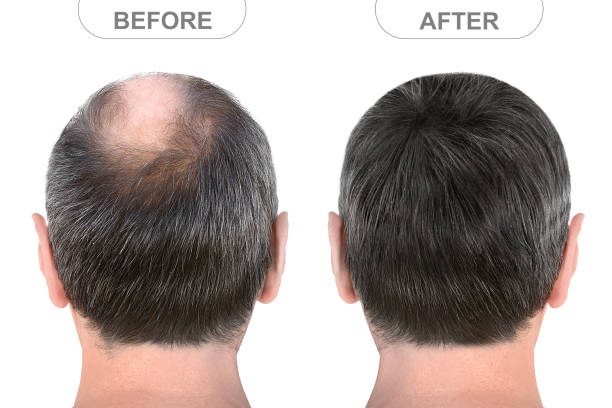
Hair loss affects millions worldwide, and modern medicine offers effective solutions. Among these, hair transplant procedures have become increasingly popular for restoring confidence and natural hair growth. Understanding the process, care requirements, and available techniques helps patients achieve optimal results. This guide explores the essential aspects of hair transplantation, making it easier for individuals to make informed decisions about their treatment.
Proper preparation before a hair transplant procedure significantly impacts the final outcome. Doctors usually recommend avoiding alcohol, smoking, and certain medications in the weeks leading up to the surgery. A healthy diet, adequate hydration, and stress management also improve the scalp’s condition, ensuring better graft survival.
After the procedure, patients must follow specific instructions to support healing. For instance, gentle washing routines, avoiding direct sunlight, and refraining from vigorous activities help protect newly transplanted follicles. Doctors may also prescribe antibiotics or anti-inflammatory medications to reduce infection risks and swelling.
Some tips for a smooth recovery include:
By following these guidelines, patients can accelerate healing and maximize hair transplant success.
 Choosing the Right Hair Transplant Technique
Selecting the most suitable hair transplant technique is crucial for achieving natural-looking results. The two main methods include Follicular Unit Extraction (FUE) and Follicular Unit Transplantation (FUT).
FUE involves harvesting individual hair follicles directly from the donor area and implanting them into balding zones. This technique leaves minimal scarring and offers a quicker recovery. Meanwhile, FUT removes a strip of scalp from the donor area, which provides a higher number of grafts in a single session. Surgeons then divide the strip into individual follicular units before transplanting.
A comparison table illustrates the differences clearly:
| Feature | FUE | FUT |
|---|---|---|
| Scarring | Minimal, dot-like | Linear, more noticeable |
| Recovery Time | Shorter (5-7 days) | Longer (10-14 days) |
| Graft Quantity | Moderate | High |
| Cost | Higher per graft | Lower per graft |
| Pain | Mild | Moderate |
Choosing the right technique depends on factors such as hair loss extent, donor area density, and personal preferences. Discussing options with a qualified specialist ensures optimal results tailored to your needs.

Understanding the hair transplant process helps reduce anxiety and set realistic expectations. The procedure usually starts with local anesthesia, ensuring patient comfort during surgery. Surgeons then extract donor follicles based on the selected technique and carefully implant them into thinning areas.
Throughout the session, attention to detail is crucial. Proper angling and placement of follicles create natural hair growth patterns. The procedure typically lasts several hours, depending on the number of grafts.
Post-surgery, patients often notice some redness and swelling, which subside within a few days. Most individuals resume light activities within a week, but full hair growth may take several months. Consistency in following aftercare instructions contributes to successful outcomes.
Several factors determine the success of a hair transplant, including donor hair quality, surgeon expertise, and patient compliance. High-density donor areas produce better coverage, while skilled surgeons ensure precise graft placement.
Lifestyle choices also impact results. Smoking, poor nutrition, and excessive stress can hinder hair growth. Patients who maintain a balanced diet, exercise regularly, and follow medical advice achieve more satisfying outcomes.
Additionally, genetic predispositions play a role in long-term success. Individuals with progressive hair loss may require future sessions to maintain results. Understanding these variables helps patients plan realistic goals and avoid disappointment.
Maintaining hair health after a transplant ensures lasting results. Gentle cleansing, avoiding harsh chemicals, and regular check-ups contribute to healthy growth. Some patients also benefit from supportive treatments such as minoxidil or platelet-rich plasma (PRP) therapy.
Realistic expectations are essential. New hair typically starts growing within 3-4 months, with significant improvement visible by 8-12 months. Patience and consistent care help patients enjoy their hair transplant results for many years.
Selecting an experienced and reputable surgeon is arguably the most critical step in achieving a successful hair transplant. Check credentials, review before-and-after photos, and read patient testimonials.
A qualified surgeon evaluates your hair loss pattern, donor area density, and scalp health to recommend the most effective technique. Communication is key; ensure you feel comfortable asking questions and discussing expectations.
The cost of a hair transplant varies based on technique, session size, and clinic reputation. FUE procedures generally cost more per graft, while FUT offers a cost-effective option for larger sessions.
Most insurance plans do not cover elective hair transplant procedures since they are considered cosmetic. However, some clinics offer financing options to make treatment accessible. Understanding pricing structures and additional expenses helps patients plan effectively.
Many misconceptions surround hair transplant procedures. One common myth is that transplants provide instant results. In reality, hair growth develops gradually over several months.
Another misconception is that transplants damage existing hair. Modern techniques preserve surrounding follicles, minimizing trauma. Patients also worry about unnatural results, but skilled surgeons create natural hairlines and density patterns.
Education and realistic expectations reduce anxiety and improve satisfaction with the procedure.
| Timeline | What to Expect |
|---|---|
| Weeks 1-2 | Initial redness, minor scabbing |
| Weeks 3-4 | Shedding of transplanted hair |
| Months 2-3 | Early hair regrowth begins |
| Months 6 | Noticeable density improvement |
| Months 12 | Full results with natural growth |
Q: Does a hair transplant hurt?
A: Doctors use local anesthesia, so patients feel minimal discomfort. Mild soreness may occur post-surgery, usually managed with painkillers.
Q: How long is the recovery period?
A: Most patients resume normal activities within a week, but full healing and hair growth take several months.
Q: Which technique is better, FUE or FUT?
A: The choice depends on hair loss extent, donor area density, and personal preferences. Consult a qualified surgeon for tailored advice.
Q: Can I combine both techniques?
A: In some cases, combining FUE and FUT offers optimal graft coverage, especially for extensive hair loss.
Q: Does insurance cover hair transplants?
A: Generally, no. Most insurance companies classify the procedure as cosmetic. Financing options may be available.
Q: What factors influence the cost?
A: Technique, number of grafts, clinic reputation, and geographic location all affect pricing.
Q: How do I maintain transplanted hair?
A: Gentle hair care, a healthy lifestyle, and regular follow-ups support lasting results. Additional treatments like minoxidil or PRP may enhance growth.
Q: Will I need another session in the future?
A: Progressive hair loss may require additional sessions to maintain optimal coverage over time.
