
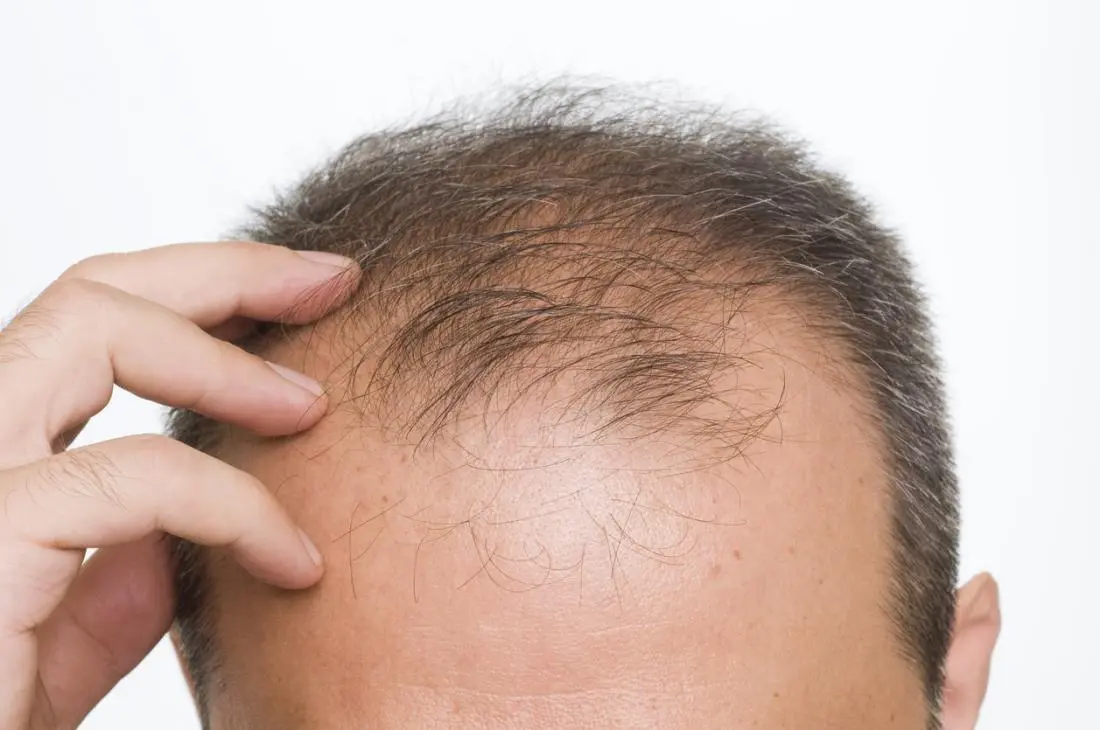
Hair loss affects millions of men and women worldwide, often influencing confidence, self-image, and daily motivation.
Over the past decades, finasteride has remained one of the most discussed and researched solutions for androgenetic alopecia.
Yet, as science evolves, so do treatment methods. One of the most talked-about innovations in recent years is
Liposomal Finasteride, a formulation designed to enhance efficacy while addressing common concerns
associated with traditional approaches.
This article explores how liposomal technology reshapes finasteride delivery, why absorption matters more than most
people realize, and how this modern approach fits into today’s hair loss treatment landscape. Rather than offering
quick promises, we focus on clarity, science-backed explanations, and realistic expectations.
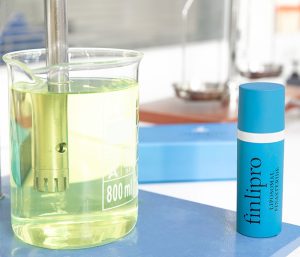
To understand why liposomal delivery matters, we must first understand how finasteride works. Hair loss related to
genetics often links directly to dihydrotestosterone (DHT), a hormone derived from testosterone. DHT binds to hair
follicle receptors and gradually causes follicles to shrink, leading to thinner hair and eventual hair loss.
Finasteride blocks the enzyme 5-alpha-reductase, which converts testosterone into DHT. By reducing DHT levels,
finasteride helps preserve hair follicles and slows the progression of hair loss. Many users experience stabilization
or even regrowth when treatment begins early.
However, traditional delivery methods introduce challenges related to systemic exposure, absorption efficiency,
and consistency. These limitations sparked interest in alternative delivery systems that target the scalp more precisely.
Liposomal technology transforms how active ingredients interact with the body. Liposomes consist of microscopic
lipid-based vesicles that encapsulate active compounds and transport them through biological barriers more effectively.
In topical applications, liposomes help finasteride penetrate the scalp’s outer layers and reach hair follicles with
greater precision. This targeted delivery supports higher local availability while reducing unnecessary systemic distribution.
By optimizing absorption at the site of action, Liposomal Finasteride represents a significant step
forward in topical hair loss treatment.

While both oral and liposomal formulations aim to reduce DHT activity, they differ significantly in how they interact
with the body. Understanding these differences helps users choose a method aligned with their goals and comfort level.
| Feature | Oral Finasteride | Liposomal Finasteride |
|---|---|---|
| Delivery Method | Tablet ingestion | Topical scalp application |
| Target Area | Systemic | Localized follicles |
| Absorption Path | Digestive system | Skin penetration via liposomes |
| Hormonal Exposure | Whole body | Primarily scalp-focused |
| User Preference | Daily pill | Direct scalp routine |
Hair follicles respond best when active ingredients reach them directly and consistently. Traditional topical solutions
often struggle to cross the scalp’s protective barrier, limiting effectiveness.
Safety remains one of the most discussed aspects of finasteride use. While oral formulations maintain a strong safety
record, topical liposomal approaches aim to address concerns through localized delivery.
Hair regrowth and preservation require patience. Finasteride works gradually, and consistency plays a crucial role
in visible outcomes.
Modern hair care focuses on holistic scalp health. Liposomal finasteride fits naturally into routines that prioritize
long-term follicle vitality.
Finasteride does not create overnight transformations. Instead, it preserves existing follicles and gradually strengthens
miniaturized hair over time.
Liposomal Finasteride reflects a growing trend toward precision-driven, user-focused hair loss treatments that combine
science with practical application.
Liposomal formulations use lipid-based carriers that improve penetration through the scalp, allowing finasteride to
reach hair follicles more efficiently.
Some users choose liposomal alternatives based on personal preference. Effectiveness depends on individual response
and consistent use.
Most users observe changes within several months, with continued improvement over long-term use.
Many users incorporate it into long-term routines with professional guidance and consistent application.
