
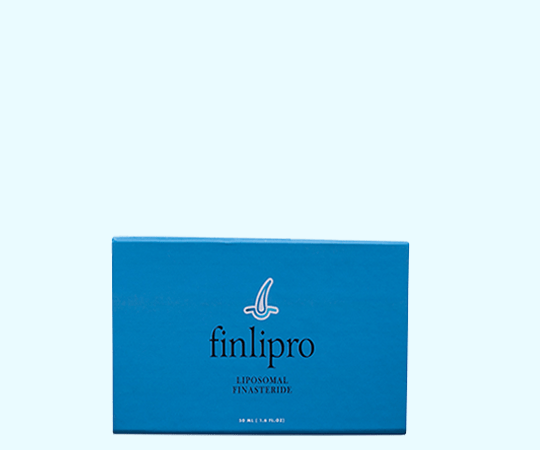
Hair loss is a common concern that affects millions worldwide. While traditional treatments exist, liposomal finasteride has emerged as a promising option for those looking to combat hair thinning and maintain a healthy scalp. Understanding who can benefit from this advanced treatment requires examining how it works, the technology behind it, and its practical application.

Liposomal finasteride is a topical solution designed to reduce hair loss by targeting the hormone DHT, which is a primary factor in male and female pattern baldness. Unlike oral finasteride, which travels systemically through the bloodstream, the topical version focuses directly on the scalp, minimizing side effects.
The treatment utilizes liposomes, which are microscopic lipid-based carriers that encapsulate the active ingredient. This mechanism allows finasteride to penetrate the scalp more effectively, increasing absorption where it matters most. By inhibiting DHT locally, liposomal finasteride helps protect hair follicles and promote natural regrowth.
The liposomal delivery system is revolutionary in the context of hair loss treatment. Liposomes are tiny, spherical vesicles that encapsulate finasteride molecules, shielding them from degradation and facilitating deeper absorption into hair follicles.
By combining efficacy and safety, liposomal technology elevates topical finasteride beyond conventional hair loss solutions.
Liposomal finasteride suits a variety of individuals experiencing hair thinning or loss. Its unique delivery system makes it particularly effective for:
The treatment adapts to different hair loss patterns while maintaining ease of application.
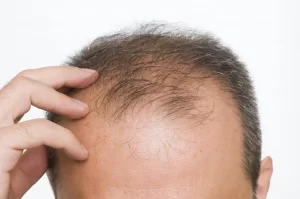
Understanding the difference between topical liposomal finasteride and traditional oral finasteride helps users make informed decisions.
| Feature | Topical Liposomal Finasteride | Oral Finasteride |
|---|---|---|
| Delivery Method | Applied directly to scalp | Taken orally |
| Systemic Exposure | Minimal | High |
| Side Effects | Rare, localized | Possible sexual and hormonal effects |
| Absorption | Enhanced via liposomes | Dependent on digestive system |
| Targeting | Direct to hair follicles | Circulates systemically |
This comparison highlights why many patients prefer the topical form, especially for long-term treatment.
Applying liposomal finasteride correctly is crucial for optimal results. Follow these guidelines:
By maintaining a routine, users maximize the treatment’s benefits and promote healthier hair growth.
Even though topical liposomal finasteride is safer than oral versions, it may cause mild side effects in rare cases:
Consult a dermatologist before starting treatment to ensure it aligns with your health profile.
Many patients see better results when liposomal finasteride is combined with complementary hair growth strategies:
Integrating multiple approaches ensures a comprehensive strategy for healthier, fuller hair.
Patients should maintain realistic expectations. Hair regrowth is gradual:
Consistency is critical, and results vary depending on genetics, age, and overall health.
Liposomal finasteride is generally more expensive than traditional oral treatments due to advanced technology. However, many find the benefits outweigh the cost:
Weighing the investment against potential results helps users make informed choices.
Liposomal technology improves absorption and ensures targeted delivery to hair follicles. This results in higher efficacy and fewer systemic side effects.
Yes, it is safe for women experiencing hormonal hair thinning, particularly post-menopause, as the topical application limits systemic exposure.
Users typically notice changes within 3-6 months. Full results often appear after 12 months of consistent use.
Maintaining a balanced diet, managing stress, and following proper scalp care enhance the effectiveness of the treatment.
