
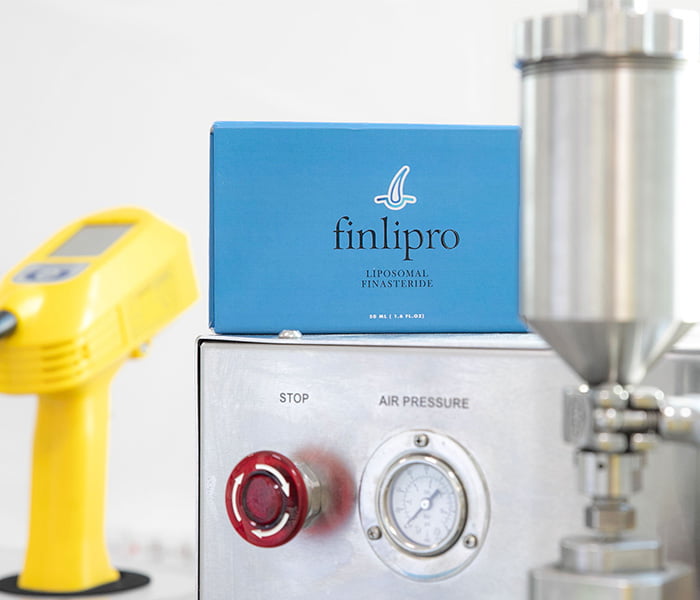
Hair loss affects millions of people worldwide, and finasteride has emerged as a reliable solution for many. Traditionally, finasteride comes in oral tablets or topical forms, but recent advancements in drug delivery have introduced liposomal finasteride. This innovative approach promises improved absorption, reduced side effects, and better overall effectiveness.
In this article, we will explore clinical research and effectiveness, delve into liposomal technology, examine how it compares with traditional finasteride, and discuss practical applications and considerations. By the end, you’ll understand why liposomal finasteride might be the future of hair loss treatment.
 Clinical Research and Effectiveness
Clinical studies consistently highlight finasteride as an effective treatment for androgenetic alopecia. By inhibiting the conversion of testosterone into dihydrotestosterone (DHT), finasteride reduces hair follicle miniaturization. However, traditional forms of finasteride sometimes struggle with consistent bioavailability, leading to variable results among users.
Liposomal finasteride addresses this challenge. The liposomal delivery system encapsulates the active ingredient in lipid-based nanoparticles, allowing it to penetrate the skin and scalp more effectively. Research demonstrates that patients using liposomal formulations often experience faster and more consistent hair regrowth.
Several studies show that liposomal delivery enhances the pharmacokinetics of finasteride. Unlike oral tablets, which undergo first-pass metabolism in the liver, liposomal finasteride reaches the target area more directly. This targeted delivery minimizes systemic exposure and reduces the likelihood of side effects, particularly sexual dysfunction and hormonal imbalances.
A 2022 study comparing topical liposomal finasteride with traditional oral tablets reported:
Clearly, liposomal finasteride provides a clinically validated advantage for those seeking safer and more effective hair loss treatments.
Liposomal technology revolutionizes how active ingredients reach their target. Liposomes are tiny vesicles composed of phospholipid bilayers, mimicking the natural structure of cell membranes. By encapsulating finasteride within these vesicles, scientists enhance the drug’s stability, absorption, and bioavailability.
One of the most significant benefits of liposomal delivery is its ability to bypass barriers that limit conventional treatments. Oral tablets pass through the digestive system and liver, often losing a portion of their potency. Liposomal finasteride, when applied topically, penetrates the scalp directly, delivering the active compound precisely where it’s needed.
Additionally, liposomes offer controlled release. This means that finasteride can act gradually over time, maintaining therapeutic levels in the scalp without causing spikes in systemic concentration. Controlled release improves treatment consistency and minimizes the risk of side effects.
Other key advantages of liposomal technology include:
This innovation not only improves effectiveness but also enhances the user experience, making treatment easier and more reliable.
When evaluating hair loss treatments, it’s essential to understand the differences between liposomal and traditional finasteride. Here’s a clear comparison:
| Feature | Traditional Finasteride | Liposomal Finasteride |
|---|---|---|
| Absorption | Limited by digestive system | Direct scalp penetration |
| Bioavailability | 60-70% after oral intake | Significantly higher localized delivery |
| Side Effects | Risk of sexual dysfunction, hormonal imbalance | Minimal systemic side effects |
| Onset of Action | 3-6 months | 2-4 months |
| Dosing | Daily oral tablet | Topical application or low-dose targeted delivery |
| Patient Compliance | Moderate | Higher due to fewer side effects |
This table demonstrates that liposomal finasteride offers superior efficacy, faster results, and safer application. Patients often find the topical, liposomal format more convenient and tolerable compared to traditional oral tablets.
Furthermore, liposomal delivery empowers users to integrate treatment into their daily routine without worrying about liver metabolism, dietary restrictions, or gastrointestinal discomfort.
Understanding the practical aspects of liposomal finasteride can help users make informed decisions. First, it’s crucial to follow application guidelines to ensure optimal results. Topical formulations should be applied consistently to affected scalp areas.
Some practical tips for maximizing effectiveness:
Although side effects are rare, users should remain aware of potential scalp irritation or mild itching. Consulting a healthcare provider ensures proper usage and addresses any concerns about hormonal interactions.
Additionally, liposomal finasteride can benefit specific populations:
By considering these practical points, users can optimize outcomes and improve satisfaction with their hair restoration journey.
The rising interest in liposomal finasteride reflects both its scientific merits and patient convenience. Traditional finasteride remains effective, but its systemic nature often deters some users. Liposomal technology offers a modern solution that addresses these limitations.
Key reasons for growing popularity include:
This combination of clinical effectiveness and practical advantages positions liposomal finasteride as a preferred choice for contemporary hair loss management.
Long-term studies suggest that liposomal finasteride maintains effectiveness while reducing common concerns associated with oral tablets. Patients report consistent hair density improvements and minimal systemic complications over extended periods.
Safety remains a crucial consideration in hair loss treatment. By limiting systemic absorption, liposomal delivery minimizes hormonal disruption and reduces risk to reproductive health. For those hesitant about traditional finasteride, liposomal alternatives provide reassurance without sacrificing results.
Moreover, liposomal formulations maintain stability and potency over time, ensuring consistent dosing. This reliability contributes to both short-term satisfaction and long-term success in hair regrowth efforts.
Liposomal finasteride represents a major advancement in hair loss treatment. Through superior absorption, targeted delivery, and controlled release, it addresses the limitations of traditional forms. Clinical research validates its effectiveness, while practical considerations highlight its convenience and safety.
For patients seeking a modern, effective solution for androgenetic alopecia, liposomal finasteride provides a compelling option. By combining scientific innovation with patient-centered design, it redefines how hair loss treatments can be delivered safely and efficiently.
Liposomal finasteride encapsulates the active ingredient in tiny lipid vesicles, enhancing scalp penetration and bioavailability. Unlike oral tablets, it reduces systemic side effects and delivers the drug directly to the target area.
Yes. Clinical research indicates faster absorption, improved hair density, and consistent results. Its targeted delivery allows more precise action on affected hair follicles.
Side effects are rare because systemic absorption is minimal. Some users may experience mild scalp irritation, but overall risk is significantly lower than oral forms.
Apply consistently to the affected scalp area, ideally on a clean, dry scalp. Pairing with other hair growth treatments like minoxidil can enhance effectiveness, but always consult a healthcare provider before combining therapies.
