Hair loss affects millions of people worldwide, and finding effective treatments can feel overwhelming. Topical finasteride has recently gained attention as a targeted solution for hair thinning and male pattern baldness. Unlike oral formulations, this topical approach focuses on delivering the active ingredient directly to the scalp, potentially reducing systemic side effects while maintaining effectiveness.
Topical finasteride works by inhibiting the enzyme 5-alpha-reductase, which converts testosterone into dihydrotestosterone (DHT). DHT is the primary hormone responsible for shrinking hair follicles and triggering hair loss in genetically predisposed individuals. By reducing DHT levels in the scalp, topical finasteride promotes healthier hair growth and slows down thinning effectively.
This article dives deep into the benefits of topical finasteride compared to oral options, possible side effects, safety measures, and practical tips for incorporating it into your hair care routine.
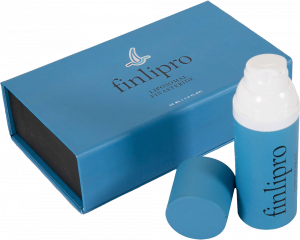
Finlipro Ürün
Benefits Compared to Oral Finasteride
Many people consider oral finasteride as the traditional method to manage hair loss, but topical formulations provide unique advantages.
Reduced systemic absorption: Topical application targets the scalp directly, minimizing the amount of finasteride that enters the bloodstream. This can reduce the risk of side effects like sexual dysfunction.
Localized effectiveness: By applying the solution where hair thinning occurs, the treatment delivers more potent results to affected areas.
Flexible dosing: Users can adjust the concentration and frequency of topical finasteride to suit individual scalp conditions and hair loss severity.
Combination therapy compatibility: Topical finasteride often works well alongside minoxidil or other hair growth treatments, enhancing overall results.
Studies suggest that while oral finasteride remains highly effective, topical versions may offer a safer alternative for those concerned about systemic effects, making it increasingly popular among patients seeking targeted therapy.
Possible Side Effects and Safety
Even though topical finasterideis designed to minimize systemic absorption, some users may still experience side effects. Awareness and careful monitoring help maximize safety and effectiveness.
Common side effects may include:
Mild scalp irritation or redness
Itching or dryness at the application site
Temporary shedding during initial weeks of use
Less common systemic effects:
Sexual dysfunction (rare)
Changes in libido
Mild hormonal fluctuations
To ensure safe use:
Apply topical finasteride strictly as directed, usually once daily.
Avoid applying to broken or inflamed skin.
Consult a healthcare professional if you experience unusual side effects.
Monitor hair growth progress and adjust treatment frequency accordingly.
Feature
Oral Finasteride
Topical Finasteride
Systemic absorption
High
Low
Risk of sexual side effects
Higher
Lower
Scalp targeting
Moderate
High
Compatibility with other treatments
Moderate
High
Flexibility in dosing
Limited
High
This table highlights why many users consider topical finasteride a strategic alternative for safe, targeted hair loss management.
Hair Transplant
How to Use Topical Finasteride Effectively
Consistency and correct application determine the success of topical finasteride. Users should follow a routine to maximize hair regrowth and maintain scalp health.
Step-by-step guide:
Wash and dry your hair thoroughly before application.
Apply the recommended dose directly to thinning areas of the scalp.
Massage gently to ensure proper absorption.
Avoid washing the scalp for at least an hour after application.
Combine with other approved treatments if advised by your doctor.
Tips for best results:
Track hair growth progress using photos every 4–6 weeks.
Store topical finasteride in a cool, dry place.
Maintain a balanced diet rich in vitamins that support hair health, such as biotin and zinc.
Who Can Benefit From Topical Finasteride?
Topical finasteride suits individuals struggling with male pattern baldness, early-stage hair thinning, or those concerned about side effects from oral treatments.
Men with mild to moderate hair loss: Targeted delivery helps maintain existing hair and stimulate regrowth.
Individuals sensitive to oral medication: Lower systemic absorption reduces the likelihood of sexual and hormonal side effects.
Patients combining treatments: Works well with minoxidil, laser therapy, or platelet-rich plasma (PRP) treatments.
It is important to note that women, especially pregnant women, should avoid topical finasteride due to potential risks to fetal development.
Combining Topical Finasteride With Other Hair Loss Treatments
For optimal results, topical finasteride often pairs effectively with other therapies. Combining treatments addresses hair loss from multiple angles, improving overall outcomes.
Minoxidil: Enhances follicle stimulation and supports thicker hair growth.
Laser therapy: Boosts scalp circulation, increasing absorption of topical finasteride.
Using topical finasteride in a well-rounded hair care regimen ensures higher efficacy and minimizes frustration during treatment.
Monitoring Progress and Adjusting Treatment
Take photos every 4–6 weeks to compare hair density.
Note any scalp irritation, shedding, or unusual changes.
Consult a dermatologist if growth plateaus or side effects occur.
Adjust frequency or concentration only under professional guidance.
Key Takeaways
Topical finasteride offers targeted treatment for hair loss with reduced systemic side effects.
It effectively inhibits DHT at the scalp level, slowing hair thinning and promoting regrowth.
Consistency, correct application, and monitoring progress are essential for achieving optimal results.
Pairing with complementary treatments can enhance efficacy and overall satisfaction.
Frequently Asked Questions
What makes topical finasteride different from oral finasteride?
Topical finasteride targets the scalp directly, reducing systemic absorption and the risk of side effects while maintaining effectiveness.
Can women use topical finasteride safely?
Topical finasteride is not recommended for women, especially those who are pregnant or breastfeeding, due to potential hormonal risks.
How long does it take to see results?
Users typically notice improvements in hair density after 3–6 months of consistent application, though individual results vary.
Is it safe to combine topical finasteride with minoxidil?
Yes, combining topical finasteride with minoxidil is generally safe and can enhance hair growth by addressing hair loss through complementary mechanisms.