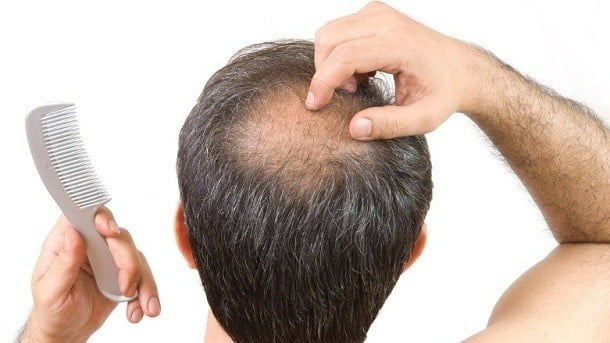
DHT and Hair Loss Understanding the Hormone Behind Baldness
DHT and Hair Loss Understanding the Hormone Behind Baldness
DHT and Hair Loss Understanding the Hormone Behind Baldness
Hair loss is a topic that affects millions worldwide, yet few truly understand the science behind it. Among the many factors influencing hair growth, DHT plays a pivotal role. This hormone, a derivative of testosterone, can be both natural and destructive depending on how it interacts with your hair follicles. Understanding DHT and hair loss can empower you to take informed steps to maintain healthy hair.
Hair loss doesn’t happen overnight. It’s a gradual process influenced by genetics, hormones, and lifestyle. Among these, DHT stands out as a major contributor to male and female pattern baldness. By delving into its mechanisms and available treatments, you can better manage and potentially reverse hair thinning.
What Is DHT and How Does It Affect Hair Follicles?
DHT, or dihydrotestosterone, is a potent androgen hormone derived from testosterone. While it plays an essential role in male development, including facial hair growth and voice deepening, its effects on scalp hair are less desirable.
Hair follicles are particularly sensitive to DHT, which binds to receptors in the scalp. This binding can shrink follicles, shorten the hair growth phase (anagen), and ultimately lead to hair miniaturization. Over time, affected hairs become thinner, weaker, and eventually stop growing.
Women are not immune. Although DHT levels are lower in women, heightened sensitivity of scalp follicles can still lead to thinning, especially around the crown and frontal hairline.
Finlipro Product
Some key points about DHT and hair follicles:
Follicle shrinkage: DHT gradually reduces the size of hair follicles.
Shortened growth cycle: Hair enters the resting phase earlier, falling out more frequently.
Pattern baldness: Genetic predisposition often dictates the pattern and severity of hair loss.
Understanding this hormonal interaction sets the stage for effective intervention.
Treatments That Block DHT
Since DHT plays a major role in hair loss, targeting it has become the cornerstone of treatment. Several options are clinically proven to inhibit DHT or mitigate its effects on hair follicles:
Medications:
Finasteride: Often prescribed for men, it reduces DHT production by blocking the enzyme 5-alpha-reductase.
Dutasteride: A stronger alternative, it inhibits multiple forms of 5-alpha-reductase for more comprehensive DHT suppression.
Topical Solutions:
Minoxidil: Although not directly blocking DHT, it stimulates follicle growth, counteracting the shrinking effect of the hormone.
Topical finasteride: Offers targeted DHT inhibition with minimal systemic exposure.
Natural Alternatives:
Saw Palmetto: A plant extract shown to reduce DHT levels naturally.
Pumpkin Seed Oil: Contains compounds that may mildly inhibit 5-alpha-reductase.
Lifestyle factors also influence hormone balance. Regular exercise, balanced diet, and stress management can indirectly lower DHT activity.
Cause of Hairloss
How Genetics and DHT Interact
Your genes largely determine how sensitive your hair follicles are to DHT. While not everyone with high DHT experiences hair loss, those with a family history of baldness often do. Genetics influence:
Receptor sensitivity: Some follicles bind more readily to DHT, increasing shrinkage.
Pattern formation: Male pattern baldness (MPB) and female pattern hair loss (FPHL) follow predictable genetic maps.
Onset timing: Genetic predisposition determines when thinning begins, often in the late twenties or thirties for men.
Understanding your genetic profile helps predict risk and tailor treatments effectively.
Lifestyle Factors That Influence DHT Levels
Even though DHT is hormonally driven, lifestyle can either exacerbate or mitigate its effects. Consider the following:
Diet: Foods rich in zinc, biotin, and omega-3 fatty acids support hair health and may regulate DHT.
Scalp care: Avoid harsh chemicals that irritate follicles and make them more vulnerable to DHT.
Incorporating healthy routines alongside medical treatments often yields the best results.
Table: Common DHT Blockers and Their Effectiveness
Treatment Type
Examples
Mechanism of Action
Effectiveness on Hair Loss
Oral Medications
Finasteride, Dutasteride
Inhibit 5-alpha-reductase, reduce DHT
High
Topical Solutions
Minoxidil, Topical Finasteride
Stimulate follicles, block DHT locally
Moderate to High
Natural Alternatives
Saw Palmetto, Pumpkin Seed Oil
Mild DHT inhibition
Low to Moderate
Lifestyle Adjustments
Diet, Exercise, Stress Management
Support hormone balance
Complementary
Early Signs of DHT-Induced Hair Loss
Detecting DHT-related hair loss early improves treatment outcomes. Watch for these signals:
Gradual thinning at the crown or temples
Noticeable hair shedding during washing or brushing
Miniaturized, weaker hair strands
Receding hairline in men or widening part line in women
Early intervention can significantly slow progression and enhance regrowth chances.
Combining Treatments for Maximum Impact
Many experts recommend a multi-faceted approach:
Medical treatment: Oral or topical DHT blockers
Lifestyle optimization: Balanced nutrition, exercise, and stress reduction
Hair care routines: Gentle shampoos, scalp massages, and avoiding harsh chemicals
Monitoring: Regular check-ups to track progress and adjust treatment
Combination therapy often delivers superior results compared to a single treatment modality.
Frequently Asked Questions
Can DHT hair loss be reversed?
Yes, in many cases. Early intervention using DHT blockers like finasteride or dutasteride can slow or even reverse thinning, especially when combined with topical solutions and lifestyle adjustments.
Is hair loss from DHT permanent?
Not always. Hair miniaturization can sometimes be reversed if follicles are still active. However, prolonged exposure without treatment may lead to permanent follicle damage.
Are natural DHT blockers effective?
Natural remedies like saw palmetto or pumpkin seed oil can offer mild DHT inhibition. They are most effective when combined with clinical treatments and a healthy lifestyle.
Does DHT affect women’s hair the same way as men’s?
Women are affected differently due to lower DHT levels and hormonal balance. However, heightened follicle sensitivity can still cause thinning, particularly at the crown and frontal regions.