Hair Loss Treatment Options From Medications to Transplants
Hair Loss Treatment Options From Medications to Transplants
Hair Loss Treatment Options From Medications to Transplants
Hair loss, or alopecia, affects millions of people worldwide. It can impact self-esteem, social interactions, and even mental well-being. Fortunately, modern medicine offers a variety of hair loss treatment options, ranging from medications to surgical solutions. Understanding these methods helps you make informed decisions and choose the best approach for your needs.
Topical Treatments
Topical treatmentsremain one of the first lines of defense against hair thinning and loss. They deliver active ingredients directly to the scalp, stimulating hair follicles and promoting growth.
Minoxidil: A clinically proven solution, minoxidil enhances blood flow to hair follicles, supporting thicker and stronger hair growth. Users typically notice results after 3–6 months of consistent application.
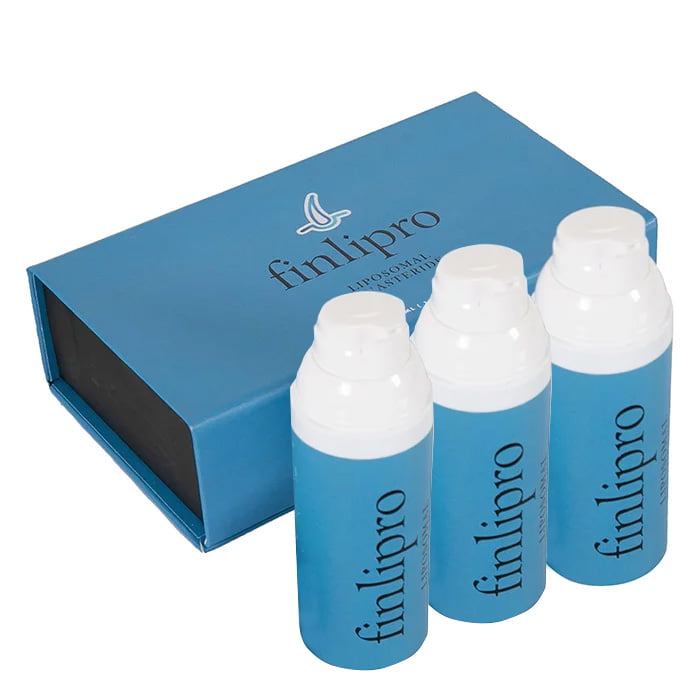
Finasteride (topical form): While usually taken orally, topical finasteride targets DHT locally, reducing scalp sensitivity without affecting the rest of the body.
Natural oils and serums: Ingredients like rosemary oil, castor oil, and caffeine-based serums nourish the scalp and strengthen hair strands.
These topical solutions work best when combined with proper scalp care routines, including gentle massage, regular cleansing, and avoiding harsh chemicals.
Start Consultion Banner
Benefits of Topical Treatments
Non-invasive and easy to use
Affordable compared to surgical options
Can slow down or even reverse early-stage hair loss
Surgical Solutions Hair Transplantation
For those with more advanced hair loss, surgical procedures offer a permanent solution. Hair transplant techniques restore natural hair by relocating follicles from donor areas to thinning or bald regions.
Popular hair transplant methods include:
FUT (Follicular Unit Transplantation): Surgeons remove a strip of scalp from the back of the head, then dissect and transplant individual follicular units.
FUE (Follicular Unit Extraction): Surgeons extract individual hair follicles directly from donor areas and implant them into thinning regions, leaving minimal scarring.
Robotic hair transplants: AI-assisted systems enhance precision during follicle extraction and implantation, reducing recovery time.
Patients should discuss their goals with a qualified surgeon to determine the most suitable technique. Recovery typically takes 7–14 days, with new growth appearing in 3–6 months.
Advantages of Hair Transplantation
Permanent and natural-looking results
Minimal downtime with modern techniques
Suitable for extensive hair loss cases
Topical Finasteride
Non-Surgical Advanced Treatments
Beyond medications and surgery, several non-invasive treatments can stimulate hair growth and improve scalp health.
PRP Therapy (Platelet-Rich Plasma): Doctors inject your own platelet-rich plasma into the scalp, stimulating follicle activity and increasing hair density.
Microneedling: Small needles create micro-injuries that trigger collagen production and improve topical treatment absorption.
These approaches are often combined with topical treatments or medications to maximize results. Non-surgical methods appeal to individuals who prefer gradual, natural improvements without undergoing surgery.
Comparative Table of Hair Loss Treatments
Treatment Type
Method
Recovery Time
Effectiveness
Cost Estimate
Topical Medications
Minoxidil, Finasteride
None
Moderate
Low
Non-Surgical Advanced Therapies
PRP, LLLT, Microneedling
Minimal
Moderate-High
Medium
Surgical Solutions
FUT, FUE, Robotic Transplants
7–14 days
High
High
Lifestyle and Supportive Approaches
While medical interventions play a central role, lifestyle changes can complement hair loss treatment options.
Balanced nutrition: Adequate protein, vitamins (especially B and D), and minerals like zinc support hair growth.
Stress management: Chronic stress can accelerate hair loss. Yoga, meditation, or therapy may help.
Proper hair care: Avoid harsh treatments, excessive heat, and tight hairstyles that strain hair follicles.
These supportive measures enhance treatment outcomes and help maintain healthy hair in the long term.
Emerging Technologies
Innovations in biotechnology and AI are shaping the future of hair restoration. Researchers are exploring stem cell therapy, gene therapy, and 3D follicle printing. These methods aim to regenerate hair naturally, even in previously untreatable cases. While still experimental, early studies show promising results.
Key Takeaways
Early intervention improves success rates of hair loss treatments.
Combining treatments often yields better outcomes.
Consulting a dermatologist or hair specialist ensures personalized care.
FAQ
Hair loss treatments really work for everyone?
Results vary depending on age, hair loss type, and genetics. Early-stage hair loss responds best to topical and non-surgical treatments.
How long does a hair transplant take to show results?
New hair growth usually becomes visible in 3–6 months, with full results after 12 months.
Are there side effects from topical medications?
Some users experience scalp irritation, redness, or itching. Using recommended dosages minimizes risks.
Can lifestyle changes prevent hair loss?
While they can’t reverse genetic hair loss, proper nutrition, stress management, and hair care support treatment effectiveness and maintain overall scalp health.