
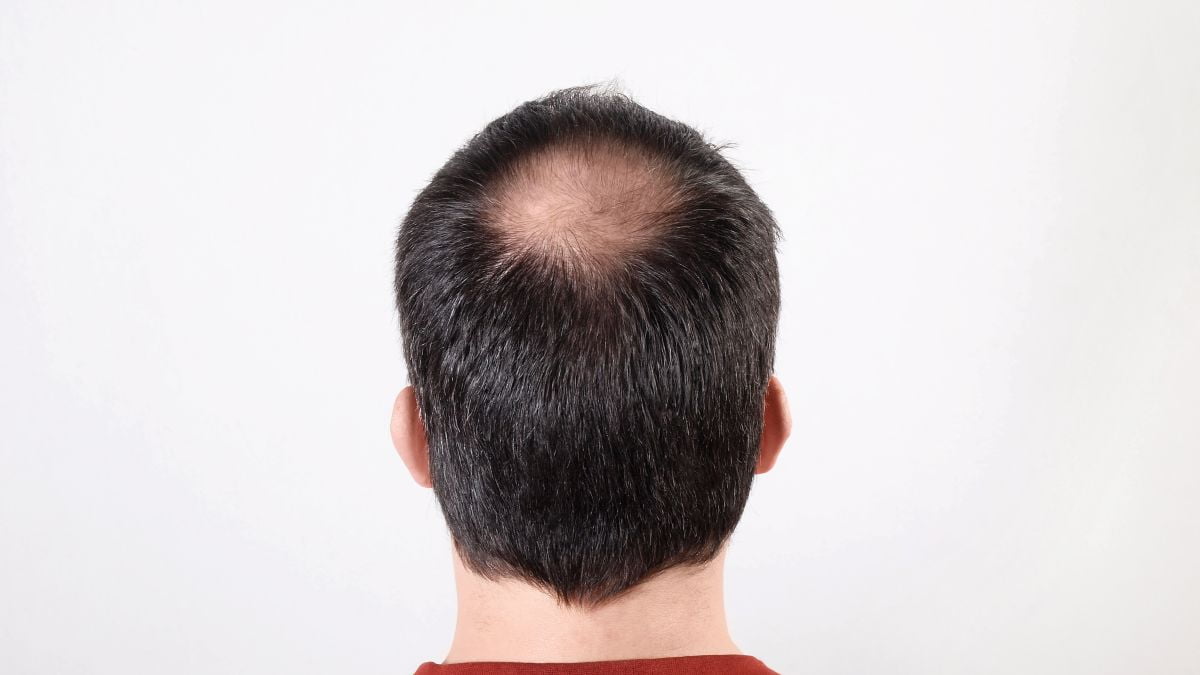
Undergoing a hair transplant marks the beginning of an exciting journey toward restoring your hair and confidence. However, the success of the procedure heavily depends on proper aftercare. Following the correct steps ensures faster recovery, healthier healing, and optimal hair growth. In this guide, we’ll walk you through the critical first days, recommend products, and provide practical tips to help your scalp recover efficiently.
The first week after a hair transplant sets the stage for long-term results. During this period, your scalp is vulnerable and requires careful attention. Swelling, redness, and mild discomfort are common, and you should follow your surgeon’s instructions closely.
Focus on resting and avoiding any physical strain. Keep your head elevated to minimize swelling.
Start gentle washing if advised by your doctor. Use a mild, non-perfumed shampoo and avoid rubbing the grafts.
Most scabs will begin to loosen naturally. Avoid picking or scratching. Continue using prescribed solutions to support healing and reduce inflammation.
During this period, hydration plays a crucial role. Drinking plenty of water and eating nutrient-rich meals supports tissue repair and overall recovery.
Using the right products after your hair transplant can accelerate healing, while the wrong products can damage delicate grafts.
Choosing the correct products ensures your scalp remains healthy and prevents irritation or infection.
A well-balanced diet rich in vitamins and minerals promotes healing and hair growth. Foods high in protein, zinc, and vitamin C support tissue repair, while omega-3 fatty acids reduce inflammation.
Lifestyle habits also influence recovery:
These small adjustments make a significant difference in the long-term success of your hair transplant.
Understanding what to expect after your procedure helps you monitor progress and identify potential issues early.
| Day | What to Expect | Recommended Action |
|---|---|---|
| 1-2 | Swelling, redness, mild discomfort | Rest, elevate head, avoid touching grafts |
| 3-4 | Initial scab formation, slight itching | Gentle washing, saline spray use |
| 5-7 | Scabs loosening, mild shedding of transplanted hair | Avoid picking, continue topical treatments |
| 8-14 | Reduced swelling, scabs falling off | Resume light activities, maintain scalp hydration |
| 15+ | Hair shedding phase begins | Follow long-term hair care routine, continue nutrients |
A: Most surgeons recommend waiting 48-72 hours before gently washing with a mild shampoo. Avoid rubbing or scratching the grafts.
A: Yes, shedding is a normal part of the hair growth cycle. New hair typically starts growing after 3-4 months.
A: Light activities are fine after the first week, but avoid heavy lifting or contact sports for at least 3-4 weeks.
A: Focus on high-protein foods, leafy greens, nuts, and foods rich in zinc and vitamin C. These nutrients support healing and hair growth.
