
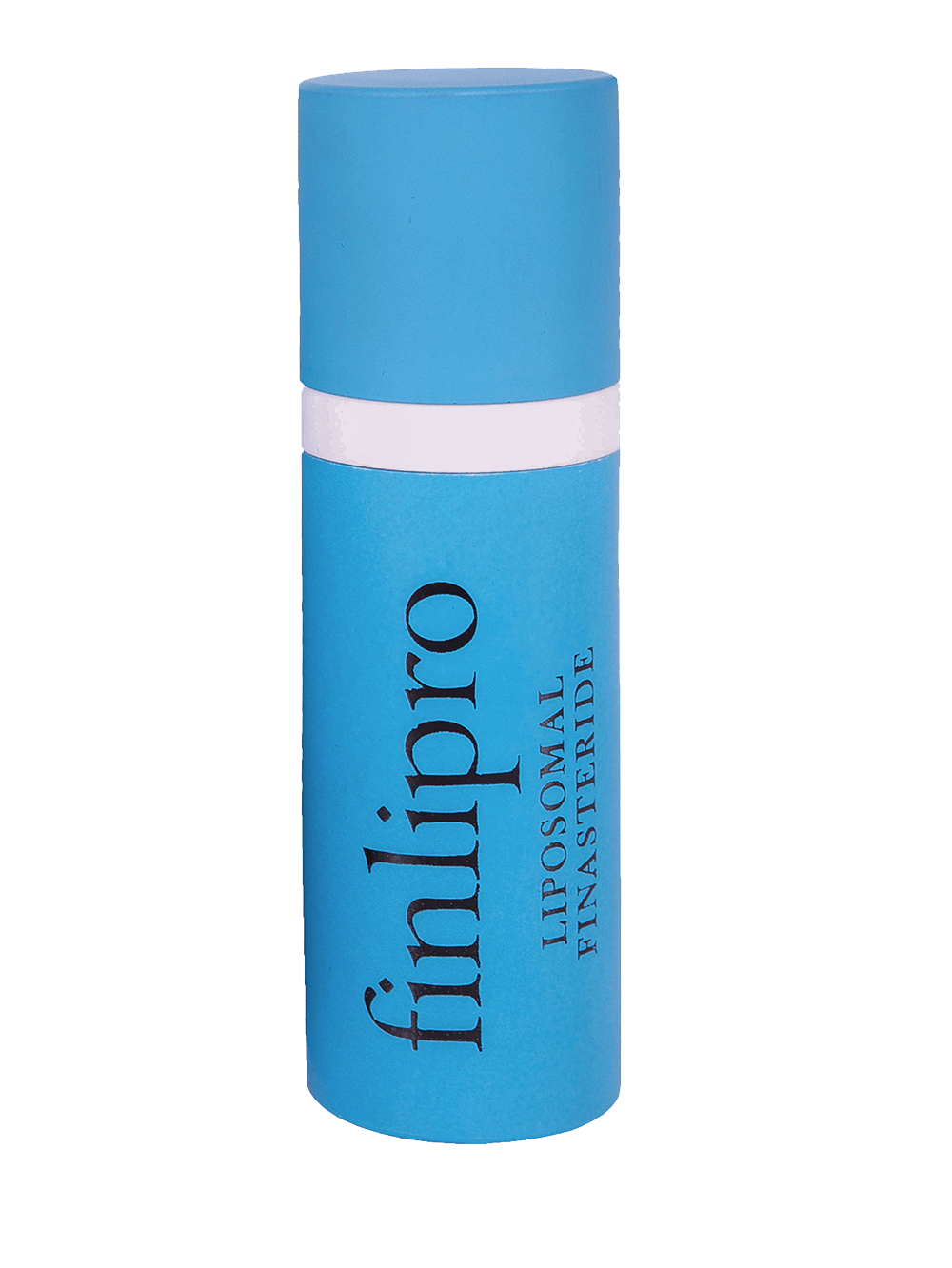
Hair transplant surgery marks a transformative step in hair restoration, but post-operative care significantly influences results. Patients often wonder whether liposomal topical finasteride can safely complement their recovery. While systemic finasteride has been widely studied, the topical liposomal variant offers a more localized approach, potentially minimizing systemic side effects. Understanding the safe usage timeline and potential precautions ensures you maximize your hair transplant success while safeguarding your overall health.
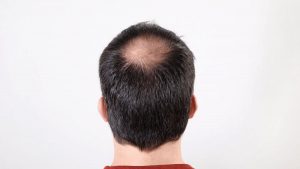
After a hair transplant, your scalp undergoes a healing process that can take several weeks. Immediately applying potent medications may disrupt graft survival. Experts generally recommend waiting until initial inflammation and redness subside. For most patients, this period ranges between 7 to 14 days, depending on the surgery type and individual healing.
Starting liposomal topical finasteride too early can irritate the scalp or affect newly implanted follicles. Instead, monitor your healing closely and seek personalized guidance from your dermatologist or hair transplant surgeon. Gradual introduction ensures both safety and effectiveness.
A careful, stepwise approach helps protect grafts and promotes optimal hair regrowth.
While topical finasteride limits systemic absorption, dermatologists caution that local side effects may still occur. These can include mild scalp irritation, itching, or dryness. Rarely, some patients experience allergic reactions, emphasizing the importance of patch testing before full application.
Additionally, your dermatologist may advise combining topical finasteride with other supportive post-op treatments, such as minoxidil or platelet-rich plasma (PRP). Coordination ensures treatments complement each other rather than cause unintended interactions.
Following these guidelines enhances safety and ensures your investment in a hair transplant yields the best aesthetic outcome.
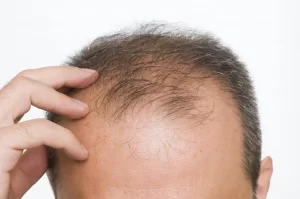
Liposomal formulations encapsulate finasteride within lipid vesicles, improving absorption into hair follicles. This targeted delivery allows the drug to act more efficiently at the site of hair growth while reducing systemic exposure.
Key benefits of liposomal topical finasteride include:
| Feature | Benefit |
|---|---|
| Enhanced follicular penetration | Increases drug efficacy directly at the hair roots |
| Reduced systemic absorption | Minimizes potential hormonal side effects |
| Sustained release | Maintains therapeutic levels longer without frequent application |
| Compatibility with other topicals | Can be combined with minoxidil safely |
Patients report better tolerance and fewer side effects, making liposomal formulations an appealing choice for post-transplant maintenance.
Proper technique ensures the medication works effectively without harming newly implanted follicles. Dermatologists recommend:
Consistency, precision, and patience are key to seeing significant hair regrowth while minimizing risk.
Even with topical use, monitoring results and scalp response is essential. Keep a hair diary or take photos weekly to track growth patterns. If irritation or shedding persists, consult your dermatologist promptly. They may adjust concentration or frequency to suit your healing progress.
Early intervention ensures complications are minimal and manageable.
A post-transplant routine should balance hair growth stimulation with gentle scalp care. Consider these tips:
By treating your scalp with care, you can enhance results and reduce the risk of post-operative setbacks.
No. Immediate application can irritate grafts. Dermatologists recommend waiting at least 7–14 days until the scalp heals.
It may reduce systemic exposure, but it is often used as a complementary treatment rather than a full replacement. Always follow your physician’s advice.
Mild scalp irritation, redness, or itching are common. Rarely, allergic reactions can occur. Systemic effects are less likely but possible.
Visible hair regrowth may take 3–6 months. Consistency and proper technique are crucial for optimal outcomes.
