
Hair transplantation has revolutionized the way people combat hair loss, offering a permanent solution to thinning hair and baldness. However, even after a successful transplant, patients often seek ways to boost hair density to achieve a fuller and more natural appearance. While the transplanted follicles form the foundation, combining medical treatments and supportive therapies can significantly enhance results. Among these treatments, Finasteride stands out as a cornerstone, but it works best when integrated with other modalities such as Minoxidil, PRP, and microneedling.
Achieving optimal hair density post-transplant requires patience, consistency, and understanding the role of each intervention. By implementing a comprehensive approach, patients can maximize follicle survival, stimulate growth, and maintain the health of both transplanted and native hair.

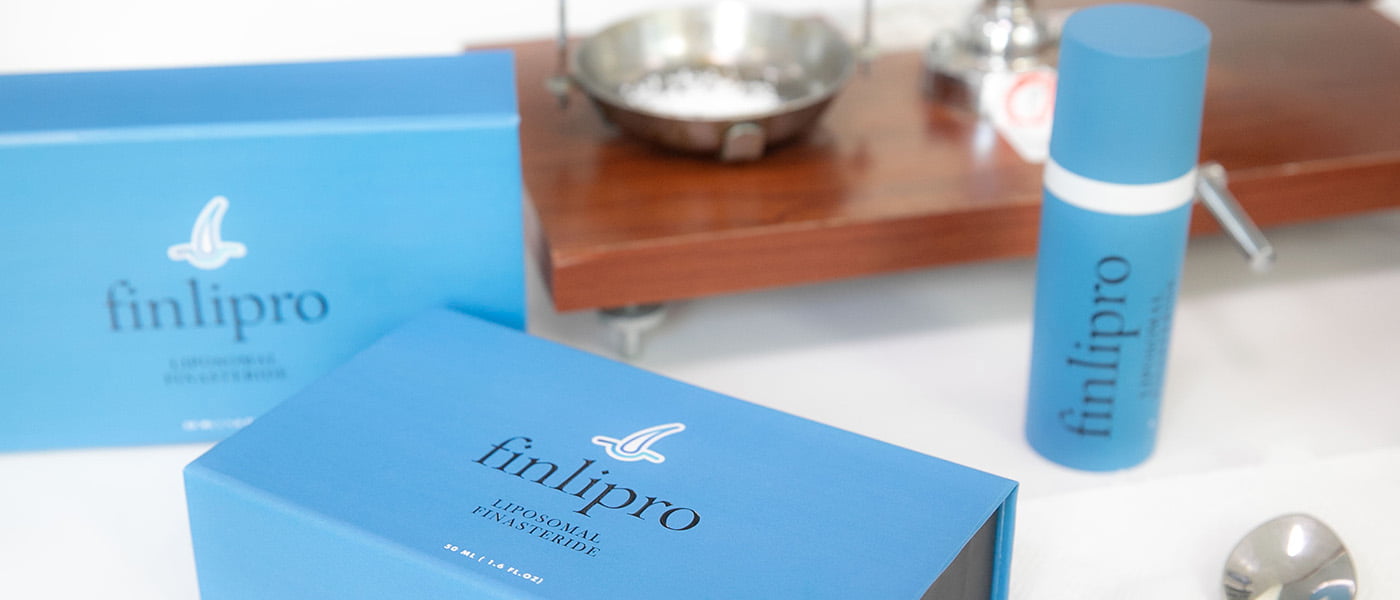
Finasteride works by inhibiting the conversion of testosterone into dihydrotestosterone (DHT), the hormone largely responsible for hair follicle miniaturization. By reducing DHT levels, it slows hair loss and preserves existing hair. Studies consistently show that Finasteride can significantly improve hair density in transplanted areas when taken as prescribed.
Meanwhile, Minoxidil stimulates hair follicles directly by enhancing blood flow and prolonging the anagen (growth) phase of hair. Many hair restoration specialists recommend using Finasteride alongside Minoxidil for a synergistic effect. The combination targets both hormonal and local follicular factors, making it more effective than either treatment alone.
By pairing these two treatments, patients often notice a visible increase in hair thickness, reduced shedding, and improved overall scalp coverage.

Platelet-Rich Plasma (PRP) therapy has emerged as a popular treatment to enhance hair density after transplantation. PRP involves drawing a patient’s blood, concentrating platelets, and injecting them into the scalp to stimulate follicular activity. Growth factors within PRP encourage cell proliferation and improve vascularization, promoting healthier and thicker hair.
Microneedling complements PRP by creating micro-injuries on the scalp, which triggers the body’s natural healing response and boosts absorption of topical agents like Minoxidil. Combining microneedling with PRP sessions has shown accelerated improvement in hair thickness and density compared to single treatments alone.
Other supportive therapies include:
Regular maintenance sessions and combining these therapies with Finasteride and Minoxidil create a multi-pronged approach, increasing the likelihood of long-term hair density gains.
While medications and therapies provide significant benefits, lifestyle and environmental factors also play a critical role in maintaining hair health post-transplant. Patients should focus on habits that support follicle longevity and scalp wellness:
Integrating these habits with medical treatments can enhance the effects of Finasteride, Minoxidil, and supportive therapies.
Post-transplant hair growth occurs in phases, and results may take several months to fully manifest. Monitoring progress systematically ensures timely adjustments:
| Treatment | Frequency | Expected Outcome | Notes |
|---|---|---|---|
| Finasteride | Daily oral dose | Reduced shedding, preserved hair | Regular check-ups for side effects |
| Minoxidil | Twice daily topical | Thickening and increased growth | Avoid scalp irritation |
| PRP | Every 4-6 weeks | Enhanced follicular stimulation | Typically 3-6 sessions recommended |
| Microneedling | Every 2-4 weeks | Improves absorption of topical treatments | Use proper needle length (0.5-1.5mm) |
| LLLT | 15-20 min, 3x/week | Cellular stimulation | Can be combined with other treatments |
| Nutritional support | Daily | Overall hair health | Focus on protein, iron, zinc, biotin |
Keeping a photographic diary and regular consultation with your hair restoration specialist ensures you stay on track and optimize treatment protocols.
By integrating these strategies, patients can maintain results achieved with Finasteride, Minoxidil, and other therapies over the long term.
