
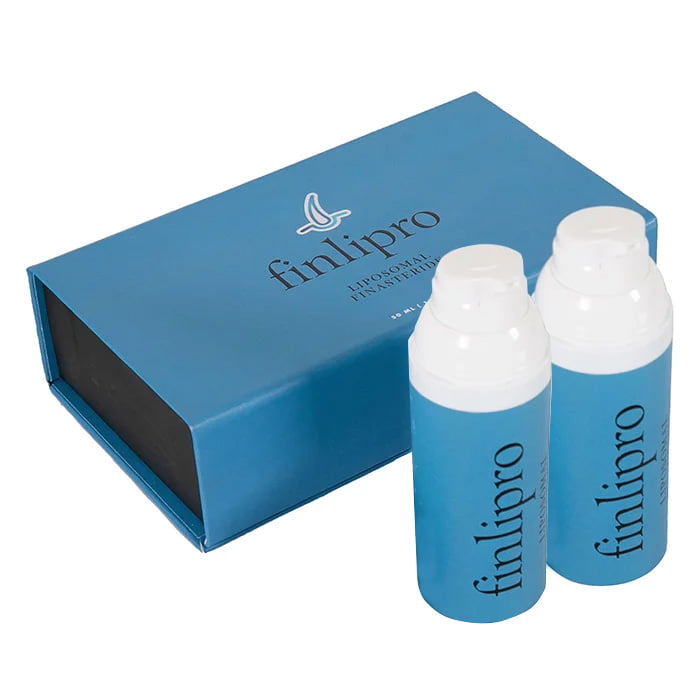
Topical finasteride has become an increasingly popular treatment option for people experiencing hair loss who want to reduce scalp DHT while minimizing systemic exposure. The ideal candidate for Topical Finasteride is typically someone with early-stage androgenetic alopecia, concerns about the potential side effects of oral medication, and realistic expectations about long-term hair restoration. Choosing the right treatment depends on hair loss severity, medical history, and guidance from a qualified healthcare professional.
Hair loss affects millions of men worldwide, and an increasing number of women also seek effective treatments for thinning hair. Advances in dermatology have introduced topical formulations that deliver active ingredients directly to the scalp instead of relying solely on oral medication. This targeted approach has attracted attention from patients looking for effective hair preservation while maintaining confidence in their treatment plan.

Topical finasteride works by reducing the activity of the enzyme 5-alpha reductase within the scalp. This enzyme converts testosterone into dihydrotestosterone (DHT), the hormone primarily responsible for shrinking hair follicles in individuals with androgenetic alopecia.
Lower scalp DHT levels help protect vulnerable follicles, allowing existing hair to remain healthier for longer. Unlike oral finasteride, topical formulations primarily focus their activity on the scalp, making them an attractive option for patients interested in localized treatment.
Several clinical studies suggest that topical formulations can significantly reduce scalp DHT while producing considerably lower systemic exposure compared with oral therapy. Although researchers continue to investigate long-term outcomes, current evidence supports topical treatment as a promising option for many patients.
People experiencing early-stage hair loss often achieve the best outcomes because their hair follicles remain active and capable of producing healthy strands. Once follicles become permanently inactive, restoring significant hair growth becomes much more difficult.
Common signs of early-stage hair loss include:
Starting treatment during this phase allows topical finasteride to preserve existing follicles before extensive miniaturization occurs. Dermatologists frequently emphasize that maintaining current hair is often easier than regrowing hair that has already disappeared.

Research consistently shows that androgenetic alopecia progresses gradually over several years. Acting early helps slow this progression and improves the likelihood of maintaining natural hair density.
Patients who begin treatment soon after noticing thinning often report:
Early diagnosis remains one of the most important factors influencing treatment success.
One of the primary reasons patients choose topical finasteride involves concerns about systemic side effects associated with oral medication. While oral finasteride remains effective and well-studied, some individuals prefer a treatment designed to concentrate its effects on the scalp.
Patients commonly consider topical formulations if they:
Clinical research indicates that topical application generally produces lower blood concentrations than oral administration while still reducing scalp DHT levels. However, no medication is entirely free from potential risks.
Patients should always discuss benefits and possible side effects with a qualified healthcare provider before starting treatment.
Topical finasteride is not only suitable for individuals experiencing noticeable thinning. Some patients seek treatment shortly after identifying genetic risk factors or subtle changes in hair density.
Preventive treatment often appeals to individuals who:
Rather than waiting until visible bald spots develop, these patients focus on preserving healthy follicles before extensive damage occurs.
Preventive management offers several potential advantages:
Many dermatologists recommend documenting hair changes with standardized photographs every three to six months. This simple practice provides a more accurate way to evaluate treatment progress than relying on memory alone.
Hair restoration rarely depends on a single product. Many specialists recommend combining therapies to address multiple aspects of hair loss simultaneously.
Topical finasteride often works alongside:
Studies suggest that combination therapy frequently delivers better outcomes than monotherapy because different treatments target separate biological mechanisms involved in hair growth.
| Candidate Profile | Why Topical Finasteride May Help | Expected Benefit |
|---|---|---|
| Early-stage hair loss | Protects active follicles | Better hair preservation |
| Concern about systemic exposure | Localized scalp application | Lower systemic drug levels |
| Family history of androgenetic alopecia | Early intervention | Slower progression |
| Combination therapy users | Complements other treatments | Enhanced overall results |
| Long-term hair maintenance | Supports ongoing follicle health | Improved density retention |
Although topical finasteride benefits many individuals, it does not suit everyone.
Treatment may require additional evaluation for:
Hair loss has many causes, including thyroid disorders, iron deficiency, stress-related shedding, and autoimmune diseases. Identifying the underlying cause ensures patients receive the most appropriate treatment instead of relying solely on DHT reduction.
A professional diagnosis should always come before beginning any medical hair loss treatment.
Hair growth occurs slowly because follicles follow natural growth cycles that last several months. Most patients should expect visible improvements after three to six months of consistent use, while optimal results often require a full year of treatment.
Taking monthly photographs under identical lighting conditions provides a far more reliable assessment than daily mirror observations.
Successful treatment depends on consistency rather than occasional application.
Keep these recommendations in mind:
Stopping treatment prematurely may allow DHT activity to increase again, potentially reversing previous gains over time.
Many patients unintentionally reduce treatment effectiveness by making avoidable mistakes.
The most common errors include:
Another common misconception involves believing that more medication produces faster growth. In reality, using larger amounts than prescribed rarely improves results and may increase the likelihood of unwanted side effects.
Consistency almost always produces better outcomes than excessive application.
Recent dermatology research continues to support topical finasteride as a promising alternative for appropriate patients. Several controlled clinical trials have demonstrated meaningful improvements in hair density while reporting lower systemic exposure than oral therapy.
Researchers continue evaluating:
As scientific evidence grows, many hair restoration specialists expect topical therapies to become an increasingly important component of personalized hair loss management.
Topical finasteride represents an effective option for many individuals experiencing androgenetic alopecia, particularly those in the early stages of hair loss or those seeking a localized treatment approach. The ideal candidate understands that hair restoration requires patience, consistency, and realistic expectations.
Working closely with a qualified dermatologist helps determine whether topical finasteride fits an individual’s medical history, hair loss pattern, and long-term goals. When introduced early and used consistently, it can play a valuable role in preserving existing hair and slowing the progression of hereditary hair loss.
Clinical studies indicate that topical finasteride can significantly reduce scalp DHT and improve hair density. While oral finasteride remains highly effective, topical formulations may provide comparable scalp benefits with lower systemic exposure for many patients.
Most patients begin noticing improvements after three to six months of consistent use. Maximum benefits often appear after nine to twelve months of continuous treatment.
Yes. Many dermatologists recommend combining topical finasteride with minoxidil because they work through different mechanisms and may provide enhanced overall hair growth results.
People with unexplained hair loss, certain scalp conditions, allergies to formulation ingredients, or those who are pregnant or breastfeeding should consult a healthcare professional before considering topical finasteride treatment.
