
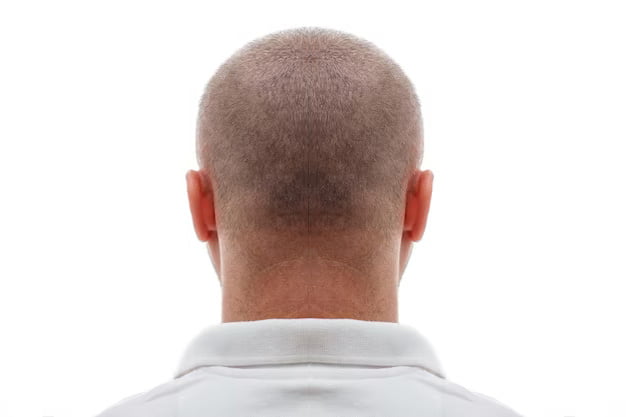
Hair transplant recovery follows a predictable process, but every patient heals at a slightly different pace. Understanding the Hair Transplant Recovery Timeline helps you set realistic expectations, reduce unnecessary anxiety, and recognize the difference between normal healing and potential complications. Most patients return to daily activities within days, while visible hair growth develops gradually over several months before the final results appear.
Hair restoration has become one of the most effective long-term solutions for hair loss. Thanks to modern techniques such as FUE (Follicular Unit Extraction) and DHI (Direct Hair Implantation), recovery is faster and more comfortable than ever before. However, successful results depend not only on the procedure itself but also on proper aftercare and patience throughout the healing process.

A hair transplant involves relocating healthy hair follicles from the donor area to thinning or bald regions. After surgery, the scalp naturally enters a healing phase before newly transplanted follicles begin producing permanent hair.
Recovery occurs in stages rather than overnight. During the first few weeks, patients often experience temporary changes that may seem concerning but actually represent normal biological healing.
Typical recovery includes:
One of the most important things to remember is that visible results require time. Hair follicles remain alive beneath the skin even when transplanted hairs temporarily fall out.
The following timeline summarizes what most patients experience after surgery.
| Recovery Stage | What to Expect | Typical Progress |
|---|---|---|
| Days 1–3 | Mild swelling, redness, tenderness | Initial healing begins |
| Days 4–10 | Scabs form and naturally fall away | Grafts become more secure |
| Weeks 2–4 | Shock loss starts | Transplanted hairs shed |
| Months 2–3 | Scalp appears similar to pre-surgery | Follicles enter resting phase |
| Months 3–6 | New hair begins growing | Early visible improvement |
| Months 6–9 | Hair becomes thicker | Density increases significantly |
| Months 9–12 | Mature growth develops | Most patients see final results |
| Months 12–18 | Continued refinement | Hair reaches maximum maturity |
This schedule serves as a general guideline rather than an exact prediction for every individual.

The first week focuses entirely on protecting the newly implanted grafts.
Patients should avoid rubbing the scalp, heavy exercise, excessive sweating, and direct sunlight. Sleeping with the head elevated for several nights helps minimize swelling around the forehead and eyes.
It is completely normal to notice:
Never pick or scratch the scabs. They protect the healing grafts, and removing them prematurely may damage newly implanted follicles.
Many patients become worried during the first month because transplanted hairs begin falling out.
This stage, commonly called shock loss, represents one of the most misunderstood phases of recovery. The hair shaft sheds while the follicle remains healthy beneath the skin.
During this period:
Although the mirror may show little improvement, important biological changes continue beneath the surface.
Hair growth begins gradually rather than all at once. Most patients notice the first fine hairs emerging around the third or fourth month after surgery.
Initially, new hairs appear thin, soft, and uneven. Over time they become thicker, darker, and stronger as each growth cycle progresses.
General growth expectations include:
Several factors influence growth speed:
Research published in dermatology literature consistently shows that patient adherence to aftercare instructions plays a significant role in successful long-term outcomes.
Healing varies from person to person because multiple biological and lifestyle factors influence recovery.
Important contributors include:
Younger patients often experience faster tissue healing, although excellent outcomes remain possible across many age groups.
Conditions such as diabetes, autoimmune disorders, or poor circulation may slow recovery.
Smoking restricts blood flow and oxygen delivery to healing tissues, potentially delaying recovery.
Alcohol consumption during early recovery may also interfere with healing and should be avoided according to your surgeon’s recommendations.
A balanced diet rich in protein, zinc, iron, vitamin D, vitamin C, and biotin supports healthy hair growth.
Hydration also contributes to overall tissue repair.
Focus on scalp health instead of checking daily progress.
Hair grows in cycles, making day-to-day changes almost impossible to notice. Taking monthly photographs under consistent lighting provides a much more accurate way to evaluate improvement.
Despite the popularity of hair restoration procedures, several myths continue to confuse prospective patients.
New hair requires several months before becoming visible. Immediate growth is not realistic.
Shock loss is one of the most common and expected stages of recovery. The follicles remain alive beneath the skin.
Modern FUE and DHI procedures create highly natural hairlines when performed by experienced surgeons.
Most patients resume office work within a few days, although strenuous exercise should wait longer.
While transplanted follicles typically remain permanent, existing native hair may continue thinning. Some patients benefit from complementary treatments to preserve surrounding hair.
Patients sometimes unintentionally interfere with healing.
Common mistakes include:
Avoiding these habits improves the likelihood of achieving optimal density and natural-looking results.
Following your surgeon’s recommendations remains the safest approach throughout recovery.
Contact your clinic immediately if you experience:
Early medical evaluation helps prevent complications from becoming more serious.
Recovery does not end when new hair appears.
Maintaining healthy hair involves ongoing care, including:
Many specialists also recommend medical therapies when appropriate to preserve non-transplanted hair and maximize overall density.
Many patients judge their results far too early.
Hair follicles require multiple growth cycles before producing mature strands. Comparing weekly changes often creates unnecessary stress because progress becomes much more noticeable over several months.
The best outcomes come from combining an experienced surgeon, realistic expectations, and consistent aftercare.
Most clinics allow gentle washing within two to three days after surgery using a recommended technique. Always follow your surgeon’s specific instructions.
No. Shock loss is usually temporary. The transplanted follicles remain healthy, and new hair typically begins growing within a few months.
Most patients achieve their final appearance between 12 and 18 months after the procedure, although noticeable improvements often begin around the fourth month.
Light walking is generally acceptable after a few days, but strenuous exercise, heavy lifting, swimming, and activities that cause excessive sweating should usually wait until your surgeon confirms it is safe.
