
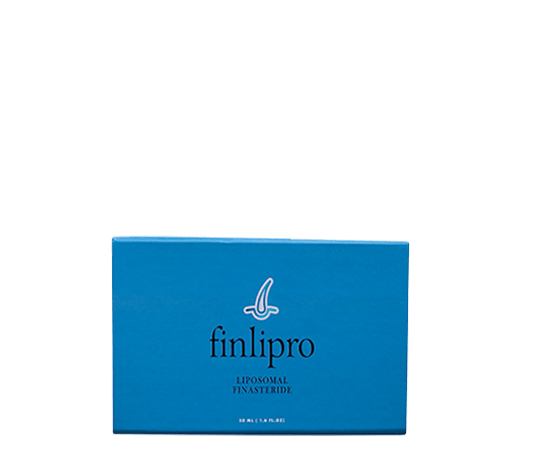
Topical finasteride is a targeted hair loss treatment that helps reduce scalp DHT levels while aiming to minimize systemic exposure. Learning How to Apply Topical Finasteride Correctly allows users to achieve better results, avoid common mistakes, and create a consistent hair care routine.

Topical finasteride is a hair loss treatment formulated to deliver finasteride directly to the scalp. Unlike oral finasteride, which circulates throughout the body after ingestion, topical formulations focus on the areas where hair thinning occurs. This approach has gained attention among people looking for effective solutions for androgenetic alopecia, commonly known as male pattern hair loss.
Finasteride works by influencing the activity of the enzyme 5-alpha reductase, which converts testosterone into dihydrotestosterone (DHT). Elevated DHT levels can shrink susceptible hair follicles over time, leading to shorter growth cycles and progressive thinning.
The main purpose of topical finasteride is to reduce DHT activity around hair follicles while maintaining a localized treatment approach. Many modern formulations combine finasteride with ingredients such as minoxidil, peptides, or supportive scalp compounds to create comprehensive hair restoration routines.
Research published in dermatology journals has shown that topical finasteride can significantly reduce scalp DHT levels. Clinical studies have also suggested that topical formulations may provide comparable hair growth benefits to oral finasteride while producing lower levels of finasteride in the bloodstream.

The effectiveness of topical finasteride comes from its ability to target the biological process responsible for androgen-related hair loss. Hair follicles contain androgen receptors that respond to DHT. When DHT binds to these receptors, follicles gradually become smaller, producing thinner and weaker hairs.
Topical finasteride blocks part of the DHT production process by inhibiting 5-alpha reductase activity on the scalp. As DHT levels decrease around hair follicles, the growth phase of the hair cycle may improve, allowing existing follicles to produce stronger strands.
The treatment does not create new follicles. Instead, it helps protect and support existing follicles that have not completely lost their ability to grow hair. This makes early and consistent treatment important for individuals experiencing gradual thinning.
The typical hair growth cycle includes three main stages:
Anagen phase: The active growth period when hair follicles produce new hair.
Catagen phase: A short transition stage where follicle activity decreases.
Telogen phase: The resting stage before hair naturally sheds.
By reducing DHT-related follicle miniaturization, topical finasteride aims to maintain healthier hair growth cycles.
Understanding the correct application method plays an important role in treatment success. Many users fail to achieve expected results because they apply too much product, use it inconsistently, or place it on the wrong areas of the scalp.
Follow these general application steps:
Before applying topical finasteride, make sure the scalp is clean and dry. Washing removes excess oil, styling products, and environmental buildup that may reduce absorption.
Avoid applying the product immediately after showering if the scalp remains wet. A dry scalp allows better distribution and prevents unnecessary dilution.
Use the dosage recommended by your healthcare provider or the product manufacturer. More product does not automatically create faster results.
Excessive application may increase irritation without improving effectiveness. A consistent routine matters more than using larger amounts.
Apply topical finasteride directly to areas affected by hair thinning. Common treatment zones include:
Gently spread the solution across the scalp surface instead of applying it only to individual hairs.
After applying the solution, use your fingertips to distribute it evenly. Avoid aggressive rubbing because excessive friction can irritate the scalp.
Allow the product to absorb naturally before applying other hair products.
Hair treatments require patience and consistency. Most users need several months of regular application before noticing visible improvements.
Hair growth follows a slow biological process, so stopping treatment too early may prevent users from seeing the full potential benefits.
| Step | Recommended Practice | Common Mistake |
|---|---|---|
| Scalp preparation | Apply on clean, dry scalp | Using on wet or oily hair |
| Product amount | Follow professional guidance | Applying extra product for faster results |
| Application area | Focus on thinning regions | Applying only to hair strands |
| Frequency | Maintain a consistent routine | Skipping applications frequently |
| After application | Allow absorption time | Washing immediately after use |
Topical finasteride has become popular because it offers a different approach compared with traditional oral treatments. Its localized application may appeal to users who prefer direct scalp treatment.
Potential benefits include:
Some studies indicate that topical finasteride can lower scalp DHT while maintaining lower blood concentrations compared with oral administration. However, individual responses vary, and treatment results depend on factors such as genetics, age, hair loss stage, and consistency.
A professional approach to hair restoration focuses on consistency, scalp health, and realistic expectations. Topical finasteride works best when users support their treatment with healthy habits.
Helpful practices include:
Taking monthly photos under similar lighting conditions can help identify gradual improvements that are difficult to notice daily.
Although topical finasteride is designed for scalp application, users should understand important safety considerations.
Consulting a healthcare professional before starting treatment is recommended, especially for individuals with existing medical conditions or those using other medications.
Possible considerations include:
Users should avoid applying the product to broken or irritated skin unless advised by a medical professional.
Many treatment failures happen because of incorrect application habits rather than product effectiveness.
Common mistakes include:
Applying too much product: Larger amounts do not guarantee better results and may increase irritation.
Using it inconsistently: Hair follicles need continuous support. Irregular application can reduce potential benefits.
Expecting immediate results: Hair growth requires time. Visible changes often appear gradually over several months.
Applying it incorrectly: The product should reach the scalp rather than sitting mainly on the hair surface.
Stopping after early shedding: Some users may experience temporary changes during the adjustment period. A healthcare provider can help determine whether continuing treatment is appropriate.
Hair restoration treatments usually require patience. Most users evaluate progress after three to six months of consistent use, while more noticeable changes may appear after longer periods.
The timeline depends on several factors:
Keeping realistic expectations helps users stay committed to their routine.
Topical finasteride is generally considered for individuals experiencing androgenetic alopecia. It may be suitable for people noticing:
However, different types of hair loss require different approaches. Conditions such as autoimmune hair loss, sudden shedding, or scalp disorders may need separate medical evaluation.
Users often focus only on the product itself and ignore application quality. A successful hair treatment routine requires proper technique, consistency, and monitoring.
The most effective approach combines correct application, patience, scalp care, and professional guidance when needed.
The application frequency depends on the specific formulation and professional recommendations. Many products are designed for regular daily or scheduled use.
Topical finasteride may help maintain existing follicles and improve hair density in some users. It cannot restore follicles that have completely stopped producing hair.
Hair loss is a long-term condition, and treatment usually requires ongoing use to maintain results. A healthcare professional can provide guidance based on individual goals.
Some formulations combine finasteride with minoxidil. Combining treatments may provide additional benefits for certain users, but consultation with a healthcare professional is recommended before creating a combined routine.
