Hair loss can affect confidence, self-image, and even the way people interact socially. While many treatments exist, hair transplant surgery has become one of the most trusted and permanent solutions. Not everyone, however, is an ideal candidate. In this guide, we’ll explore who benefits the most, what the procedure entails, the recovery journey, and important details to consider before making a decision.
Topical Finasteride
What Is a Hair Transplant
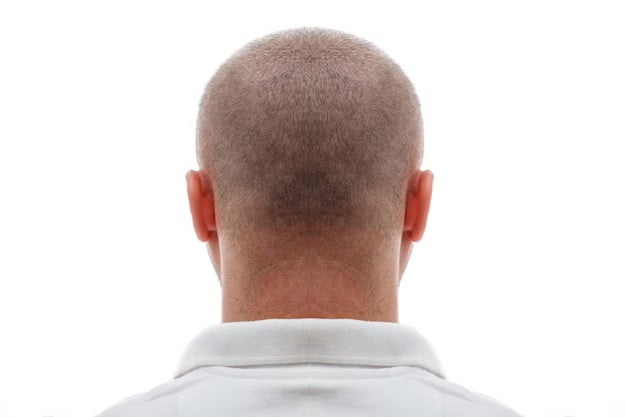
A hair transplant is a surgical procedure where a surgeon removes healthy hair follicles from a donor area—usually the back or sides of the scalp—and transplants them into thinning or bald areas. Two main techniques are commonly used:
FUE (Follicular Unit Extraction): Individual follicles are extracted and implanted.
FUT (Follicular Unit Transplantation): A strip of scalp is removed, divided, and implanted.
Both methods are effective, but your surgeon will recommend the best approach based on your hair type, the extent of hair loss, and long-term goals.
Patients should understand that hair transplants don’t create new hair but redistribute existing healthy follicles. This means donor density is a critical factor in achieving natural-looking results.
Best Candidates for Hair Transplant Surgery
Not everyone with hair loss qualifies for this surgery. The best candidates usually share the following characteristics:
Stable hair loss: Patients whose hair loss pattern has stabilized are less likely to need repeat procedures.
Sufficient donor hair: A healthy supply of hair at the back or sides ensures enough follicles for successful grafting.
Good overall health: Chronic illnesses, uncontrolled diabetes, or clotting disorders may complicate recovery.
Realistic expectations: Surgery can significantly improve appearance but may not restore a full head of youthful hair.
Ideal Demographics
Men experiencing male pattern baldness.
Women with thinning hair due to hormonal changes or trauma.
Individuals who lost hair due to burns, injuries, or surgery scars.
Recovery Process and What to Expect
Recovery is a crucial part of the journey. While the surgery itself is minimally invasive, proper aftercare determines the success of the results.
Immediately after surgery:
Mild swelling, redness, and scabbing around the transplant area are normal.
Patients usually return home the same day.
First two weeks:
Tiny scabs fall off naturally.
Some transplanted hair may shed—this is part of the growth cycle.
Months 3–6:
New hair begins to sprout.
Patients notice gradual thickening and natural texture.
12 months and beyond:
Final results appear with fuller coverage.
Hair continues to grow and can be styled as desired.
Factors That Influence Success
Surgeon’s experience: Skilled surgeons achieve natural density and direction.
Extent of hair loss: Larger bald patches may require multiple sessions.
Lifestyle: Smoking and poor nutrition slow healing and affect growth.
Benefits and Limitations
Benefits:
Permanent and natural-looking solution.
Boosts confidence and self-esteem.
Minimal downtime compared to other surgical procedures.
Limitations:
Not effective for diffuse thinning with poor donor areas.
Higher cost than non-surgical treatments.
Results take months to fully appear.
Cost Considerations
Prices vary widely depending on location, surgeon’s expertise, and the number of grafts needed. On average, patients spend between $4,000 to $15,000 for a single procedure. Some clinics charge per graft, while others offer package pricing. Investing in an experienced surgeon often ensures better long-term value.
Comparison of FUE vs FUT
Feature
FUE (Follicular Unit Extraction)
FUT (Follicular Unit Transplantation)
Scarring
Tiny dot scars
Linear scar at donor site
Recovery Time
Faster, less discomfort
Slightly longer healing
Number of Grafts
Limited per session
Larger number in single session
Suitability
Patients preferring short hair
Patients needing many grafts
Preparing for Surgery
Preparation is just as important as the procedure itself. Surgeons often recommend:
Quitting smoking at least 2 weeks before surgery.
Avoiding alcohol and blood-thinning medications.
Eating nutrient-rich foods to support healing.
Discussing all medical conditions and medications with the surgeon.
How long does a hair transplant last?
A hair transplant is considered permanent because the transplanted follicles are resistant to hair loss. With proper care, results last a lifetime.
Does the procedure hurt?
Most patients report only mild discomfort. Local anesthesia ensures a painless experience, though slight soreness may occur afterward.
When will I see results?
Initial shedding occurs within the first few weeks. Noticeable growth begins around 3–4 months, with full results after 12–18 months.
Can women undergo hair transplants?
Yes. Women with stable thinning patterns, hormonal hair loss, or trauma-related baldness can be excellent candidates.


 Immediately after surgery: