
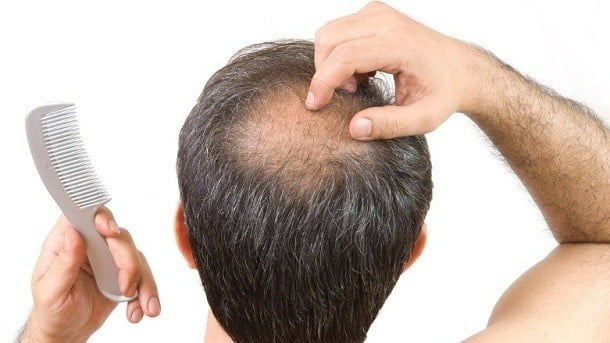
Hair loss can affect anyone, regardless of age or gender. Experiencing thinning hair or bald patches often impacts self-esteem and overall confidence. Fortunately, advances in hair loss treatment provide a wide range of solutions—from topical medications to surgical interventions. Visit Site
Understanding your options can help you make informed decisions for healthier, fuller hair.
When it comes to medical approaches, Minoxidil and Finasteride remain two of the most widely studied treatments. Minoxidil, a topical solution, stimulates hair follicles and improves scalp circulation. Many users notice gradual thickening and improved hair density after consistent use for several months.
Finasteride, on the other hand, works internally by blocking the hormone responsible for male pattern baldness. It can significantly slow down hair loss and, in some cases, trigger regrowth. Combining both treatments is often recommended under professional supervision, providing a comprehensive approach to hair restoration.
Modern hair transplant techniques, such as Follicular Unit Extraction (FUE) and Follicular Unit Transplantation (FUT), allow precise transplantation of healthy hair follicles. These procedures provide natural-looking results and are increasingly accessible to a wide range of patients.
Non-surgical solutions include platelet-rich plasma (PRP) therapy, laser therapy, and medical-grade hair growth shampoos. PRP uses growth factors from your own blood to stimulate hair follicles, promoting density and thickness. Laser therapy improves blood circulation and energizes dormant follicles, making hair appear healthier over time.
| Treatment Type | Procedure | Recovery | Effectiveness | Longevity |
|---|---|---|---|---|
| Minoxidil | Topical | None | Moderate | Continuous use |
| Finasteride | Oral | None | High | Long-term |
| PRP Therapy | Injection | 1-2 days | Moderate | 6-12 months |
| Laser Therapy | Device | None | Moderate | Continuous |
| Hair Transplant FUE | Surgical | 7-10 days | High | Permanent |

A healthy lifestyle enhances the effectiveness of hair loss treatments. Diets rich in vitamins, minerals, and proteins nourish hair follicles from within. Vitamins like Biotin, Vitamin D, and zinc are particularly crucial for strong, resilient hair.
Stress management also plays a vital role. Chronic stress triggers hormonal imbalances that accelerate hair loss. Practices like yoga, meditation, and regular exercise can indirectly support hair health.
The field of hair restoration continuously evolves with cutting-edge technology. Stem cell therapy, for instance, aims to regenerate hair follicles and reverse follicle miniaturization. Researchers are also exploring gene therapy to target the underlying causes of genetic hair loss.
Another innovation gaining attention is 3D-printed hair implants. These implants mimic natural hair patterns, offering a realistic and customizable solution. While many of these techniques are still in experimental stages, they demonstrate the future potential of hair loss treatment.
Selecting a treatment depends on several factors, including age, gender, type of hair loss, and lifestyle. Consulting a specialist ensures you choose a safe, effective, and personalized plan. Combining treatments often yields the best results, for instance:
Cost, convenience, and recovery time also influence decision-making. While non-surgical options require ongoing maintenance, surgical treatments provide permanent outcomes but involve higher upfront costs.
Results vary depending on the cause of hair loss and treatment type. Early intervention improves effectiveness.
Most procedures use local anesthesia, so discomfort is minimal. Post-surgery care ensures a smooth recovery.
Visible improvements typically appear after 3-6 months of consistent use. Patience is essential.
Most non-surgical methods have low risk, but mild scalp irritation or temporary shedding may occur initially.
