
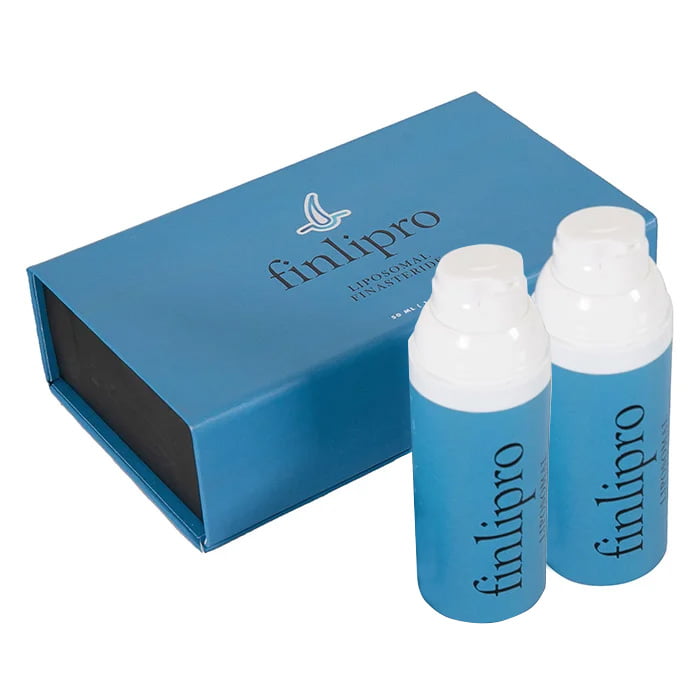
Hair loss affects millions worldwide, impacting confidence and self-esteem. While oral medications have traditionally dominated treatment options, topical finasteride offers a promising, non-invasive alternative. Its localized application reduces systemic exposure, making it appealing for those concerned about side effects while still wanting effective results. In this article, we will explore topical finasteride, its mechanisms, differences from oral formulations, benefits, application guidelines, and real-world effectiveness.

Topical finasteride is a specially formulated solution applied directly to the scalp to reduce hair loss. It works by inhibiting the enzyme 5-alpha-reductase, responsible for converting testosterone into dihydrotestosterone (DHT), the hormone most associated with androgenic hair loss. By targeting the scalp directly, topical finasteride ensures concentrated action where it’s most needed, while minimizing the medication’s presence in the bloodstream.
Many users appreciate the convenience and precision of topical finasteride, as it integrates seamlessly into daily hair care routines. Unlike oral medications, it doesn’t require systemic absorption, reducing the likelihood of hormonal side effects. Dermatologists increasingly recommend this solution for early-stage hair thinning, especially in men and women with androgenic alopecia.
Oral finasteride has long been a standard for hair loss treatment, but it affects the entire body systemically. Topical finasteride, however, delivers the active ingredient directly to the scalp. This targeted approach results in:
Studies suggest that the efficacy of topical applications approaches that of oral finasteride for slowing hair loss and promoting regrowth. Patients often report improved scalp health and fewer hormonal side effects. Essentially, topical finasteride combines the proven efficacy of oral treatments with a safer, more localized approach.
Topical finasteride provides multiple advantages over conventional hair loss treatments:
| Feature | Topical Finasteride | Oral Finasteride |
|---|---|---|
| Administration | Scalp application | Oral pill |
| Systemic Exposure | Low | High |
| Side Effect Risk | Minimal | Moderate to high |
| Convenience | Easy to integrate in hair care | Requires consistent daily pill |
| Targeted Effect | High | Generalized |
This table highlights how topical finasteride addresses common concerns with oral formulations while maintaining therapeutic effectiveness.
Applying topical finasteride properly ensures maximum benefit:
Consistency is key. Patients often see measurable improvements after 3–6 months of regular use. Combining topical finasteride with supportive hair care products, like gentle shampoos and conditioners, can enhance results and maintain scalp health.
Topical finasteride suits anyone experiencing early signs of androgenic hair loss. Ideal candidates include:
Consulting a dermatologist ensures the right diagnosis, dosage, and treatment plan. With proper use, topical finasteride can significantly slow hair loss, improve hair density, and restore confidence.
Despite growing popularity, misconceptions exist:
By understanding the science behind topical finasteride, users can set realistic expectations and maximize results.
For optimal outcomes, combine topical finasteride with healthy hair practices:
This holistic approach enhances hair regrowth and strengthens existing follicles, complementing the effects of topical finasteride.
Topical finasteride demonstrates a favorable safety profile:
Regular monitoring ensures treatment is effective and safe for long-term use. Many users report satisfaction with both hair density improvements and low side effect risk.
Topical finasteride represents a modern, non-invasive solution for hair loss. Its localized application offers effective DHT suppression with reduced systemic exposure, making it a preferred choice for many seeking hair restoration. Combined with consistent use and supportive hair care, it can help users regain confidence and maintain healthy hair.
