
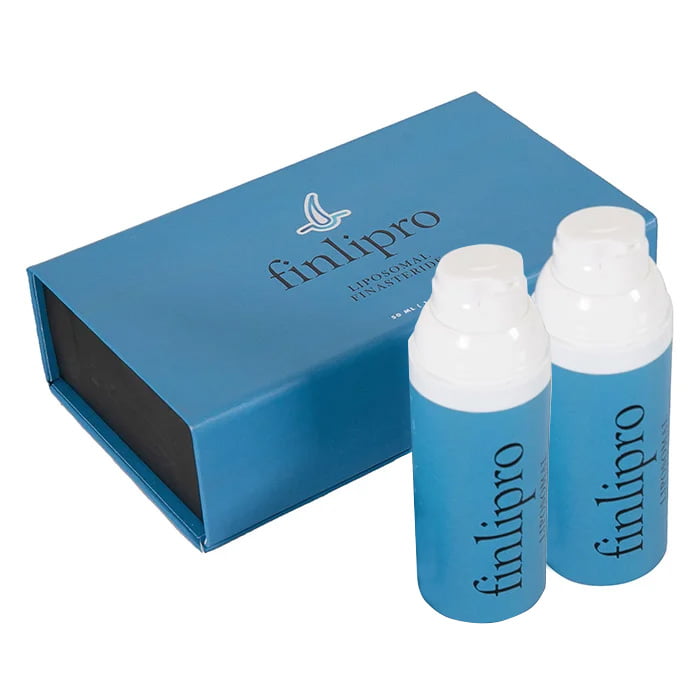

Several clinical trials have explored how topical finasteride impacts hair density and scalp health. Researchers observed that daily application leads to a significant reduction in hair shedding within a few months. In many studies, patients reported visible improvement in hair thickness and coverage, especially in areas affected by androgenetic alopecia.
One study highlighted that topical finasteride reduced scalp DHT levels effectively, which is the primary cause of hair follicle miniaturization. Patients tolerated the topical formulation well, and adverse effects were notably lower than with oral therapy. This suggests that targeting the scalp directly may offer a safer alternative without compromising results.
| Study | Participants | Duration | Results | Side Effects |
|---|---|---|---|---|
| Rossi et al., 2020 | 120 men | 6 months | 18% increase in hair density | Mild scalp irritation |
| Gupta et al., 2019 | 90 men | 12 months | Significant reduction in hair shedding | Very few systemic effects |
| Lee et al., 2021 | 75 men | 24 weeks | 15% improvement in hair thickness | Minimal local reactions |

Oral finasteride has long been the standard for treating male pattern baldness. It works systemically, reducing dihydrotestosterone (DHT) levels throughout the body. While effective, it carries potential side effects such as decreased libido, erectile dysfunction, and mood changes.
Topical finasteride offers a focused alternative. By applying the medication directly to the scalp, patients experience localized DHT reduction, preserving hair follicles while minimizing systemic exposure. Comparative studies show that hair regrowth outcomes are similar to oral finasteride, but the incidence of systemic side effects drops dramatically.
Topical finasteride works by inhibiting 5-alpha-reductase locally within the scalp. This enzyme converts testosterone into dihydrotestosterone (DHT), which is primarily responsible for hair follicle miniaturization. By lowering DHT levels in the scalp, topical finasteride helps prevent further hair loss and stimulates the growth of thicker, healthier strands.
The targeted approach ensures that systemic hormone levels remain largely unchanged, which is particularly important for patients concerned about side effects. Regular use is key, as intermittent application may reduce effectiveness and delay visible results.
Proper application enhances the efficacy of topical finasteride. Experts recommend using a precise dose directly on the thinning areas of the scalp once daily. Consistency is crucial, as missing doses can reduce overall effectiveness.
Many users find that combining topical finasteride with a healthy hair care routine and nutritional support improves outcomes. Additionally, monitoring progress with photos every few months helps assess effectiveness objectively.
