
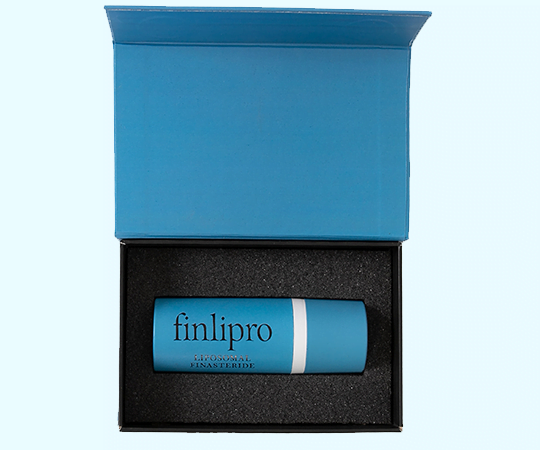
Hair loss affects millions of people worldwide, and finding effective solutions has become a priority for many. One of the most popular treatments on the market is Finasteride. Known for its efficiency in combating hair loss, this medication has become a cornerstone in dermatology and hair restoration treatments. In this guide, we’ll explore everything you need to know about Finasteride, from its history to its mechanism, benefits, side effects, and how to use it effectively.
 History and Development of Finasteride
The story of Finasteride begins in the late 20th century when researchers sought to develop treatments for conditions related to hormonal imbalance, especially those caused by dihydrotestosterone (DHT). Initially, Finasteride was designed to treat benign prostatic hyperplasia (BPH), a condition characterized by an enlarged prostate.
During clinical trials, scientists observed an interesting side effect: patients using Finasteride experienced noticeable hair regrowth. This observation sparked further research into its potential as a hair loss treatment, leading to the formulation of the 1 mg dosage specifically for androgenetic alopecia (male pattern baldness).
Since then, Finasteride has become one of the most prescribed medications for hair loss worldwide, with millions of men reporting positive outcomes and improved confidence.
Understanding Finasteride requires a brief dive into hormonal biology. Dihydrotestosterone (DHT) is a hormone derived from testosterone that binds to hair follicles and causes them to shrink, ultimately leading to hair thinning and loss.
Finasteride inhibits the enzyme 5-alpha-reductase, responsible for converting testosterone into DHT. By reducing DHT levels in the scalp, the medication slows hair loss and can stimulate new growth in affected areas.
This mechanism is why Finasteride is especially effective in treating male pattern baldness. Unlike topical treatments, which mainly act on the scalp, Finasteride works systemically, addressing the hormonal root of hair loss.
Using Finasteride consistently can yield significant improvements for many users. Here’s what patients often experience:
It’s important to note that results vary depending on age, genetics, and the stage of hair loss. Early intervention tends to produce the most noticeable improvements.

Finasteride comes in 1 mg tablets specifically for hair loss. Dermatologists recommend taking the tablet once daily, preferably at the same time each day to maintain consistent blood levels.
Here are a few usage tips:
| Dosage Guidelines | Notes |
|---|---|
| 1 mg daily | For male pattern baldness |
| 3–6 months | Initial noticeable results |
| Ongoing use | Continuous treatment required to maintain hair growth |
Like any medication, Finasteride can cause side effects, although most are mild and temporary. Some commonly reported issues include:
It is crucial to consult a healthcare provider before starting Finasteride, especially if you have underlying health conditions. Most side effects resolve after discontinuing treatment, but early medical advice ensures safety and peace of mind.
Finasteride is primarily recommended for men experiencing early to moderate hair loss. Candidates for treatment typically:
Women are generally advised against using Finasteride, especially during pregnancy, due to potential risks to fetal development.
Despite its popularity, Finasteride is often misunderstood. Let’s clarify some common myths:
Understanding these realities helps set realistic expectations and encourages adherence to treatment plans.
For optimal results, dermatologists often recommend combining Finasteride with complementary treatments:
Using multiple approaches can maximize results and maintain hair density over the long term.
Even the best medications benefit from healthy habits. Here are some tips to complement Finasteride treatment:
By pairing lifestyle adjustments with Finasteride, users can enhance outcomes and protect hair for years to come.
Hair loss treatment requires patience. Most users should monitor progress over 3–6 months. Key indicators include:
If progress stalls or side effects persist, consult a healthcare provider. They may adjust dosage, recommend complementary therapies, or explore alternative treatments.
Before starting Finasteride, a medical evaluation ensures safe use. Precautions include:
Responsible use under professional supervision maximizes benefits and minimizes risks.
Compared to newer treatments, Finasteride remains a first-line medication due to its:
While emerging therapies may offer alternative approaches, Finasteride continues to hold a vital role in hair restoration strategies.
Can women use Finasteride for hair loss?
No, Finasteride is generally not recommended for women, especially during pregnancy, due to potential risks to fetal development.
How long does it take to see results with Finasteride?
Most users notice reduced hair shedding within 3 months and visible hair regrowth within 6–12 months.
Is hair loss permanent after stopping Finasteride?
Yes, the benefits of Finasteride are maintained only with continuous use. Hair loss typically resumes once treatment stops.
What are the most common side effects?
Decreased libido, erectile dysfunction, and mild mood changes are the most commonly reported side effects, usually resolving after discontinuation.
