
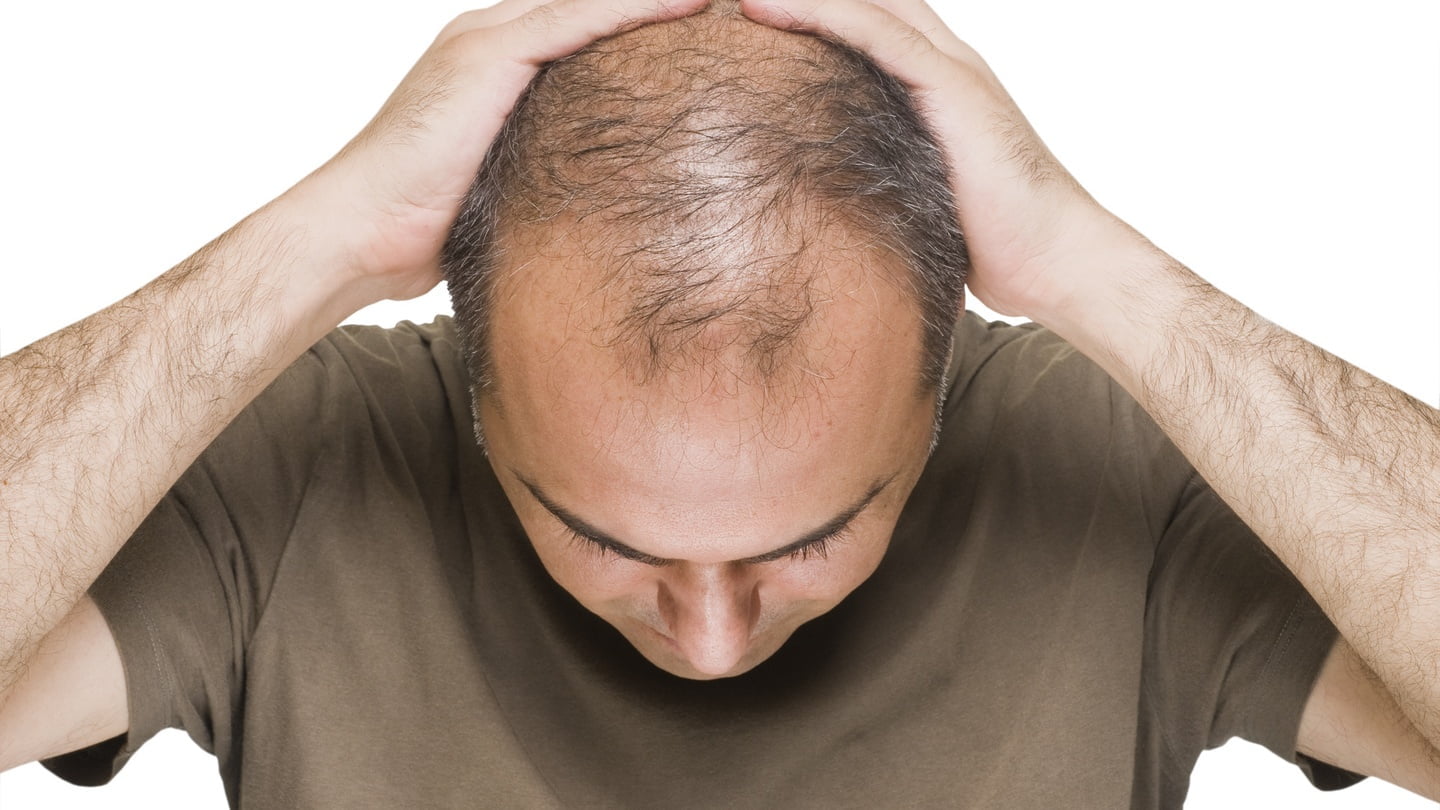
Hair thinning and reduced hair density affect millions of people worldwide, often leading to reduced confidence and concerns about long-term scalp health. Modern research shows that multiple biological and environmental factors contribute to this condition, and targeted solutions can help slow down or even reverse early stages of hair loss. Hair Density Improvement with Finlipro offers a science-informed approach that focuses on supporting follicle strength, hormonal balance, and scalp health to promote fuller-looking hair.
This article explores the key causes of low hair density, the role of hormones like DHT, and how modern formulations such as Finlipro can support healthier hair growth. You will also learn practical strategies, expert insights, and common mistakes to avoid for better results.
Low hair density does not happen overnight. It develops gradually due to a combination of internal and external factors that weaken hair follicles over time. Understanding these triggers is the first step toward effective hair restoration strategies.
One of the most common causes of reduced hair density is genetics. If your family has a history of androgenetic alopecia, your follicles may be more sensitive to hormonal changes, especially dihydrotestosterone (DHT). This sensitivity gradually shrinks hair follicles, leading to thinner strands and slower regrowth cycles.
Hair follicles require a constant supply of nutrients to function properly. Deficiencies in key vitamins and minerals can significantly reduce hair density. Common deficiencies include:
Chronic stress increases cortisol levels, which disrupts the natural hair growth cycle. Poor sleep quality, smoking, and excessive alcohol consumption can also contribute to premature hair shedding and reduced follicle activity.
A healthy scalp is essential for strong hair growth. Conditions such as dandruff, seborrheic dermatitis, and clogged follicles can block nutrient delivery and reduce hair density over time.
Pollution, UV exposure, and harsh hair treatments (bleaching, heat styling, chemical straightening) weaken the hair shaft and damage follicles, leading to gradual thinning.

Dihydrotestosterone (DHT) plays a central role in androgenetic hair loss. It is a derivative of testosterone and is naturally present in both men and women.
When DHT binds to receptors in hair follicles, it can gradually shrink them in genetically sensitive individuals. This process is known as follicular miniaturization.
Over time, hair growth cycles shorten, and the new hair becomes:
Eventually, follicles may stop producing visible hair altogether.
Not everyone experiences hair loss at the same rate. Genetic sensitivity determines how strongly your follicles respond to DHT. Some people may maintain full hair density well into older age, while others notice thinning in their 20s or 30s.
Research in dermatology journals shows that blocking or regulating DHT activity can significantly slow hair loss progression. This is why many modern hair support formulations focus on hormonal balance alongside nutrient delivery.
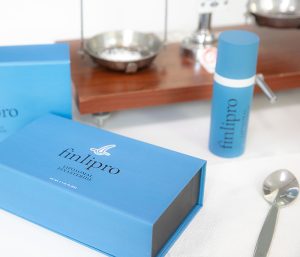
Hair Density Improvement with Finlipro is based on a multi-target approach that focuses on strengthening follicles, improving scalp circulation, and supporting hormonal balance. Instead of addressing only one factor, it works on several biological pathways at once.
Finlipro supports follicles by delivering essential nutrients that contribute to keratin production and cell regeneration. Healthy follicles produce thicker and stronger hair strands over time.
One of the key mechanisms involves supporting the body’s natural ability to regulate DHT activity. By helping maintain hormonal balance, it reduces follicle miniaturization risk.
Better blood flow means better nutrient delivery. Improved microcirculation ensures that follicles receive oxygen and nutrients more efficiently, which can stimulate growth phases.
Hair grows in cycles: anagen (growth), catagen (transition), and telogen (rest). A healthy cycle means more time in the growth phase and less shedding. Finlipro supports this balance.
Hair growth is a biologically complex process that depends heavily on nutrient availability and cellular activity. Several key compounds are often associated with improved hair health:
Hair follicles are among the fastest-growing tissues in the human body. This means they require continuous energy and nutrient supply. When this supply is interrupted, follicles enter a resting phase prematurely.
| Factor | Effect on Hair | Biological Impact | Outcome |
|---|---|---|---|
| DHT sensitivity | Follicle shrinkage | Miniaturization of strands | Progressive thinning |
| Nutritional deficiency | Weak hair structure | Reduced keratin production | Breakage & shedding |
| Stress | Cycle disruption | Increased cortisol levels | Excess shedding |
| Poor scalp health | Blocked follicles | Reduced oxygen flow | Slower growth |
| Environmental damage | Follicle stress | Oxidative damage | Weak strands |
Even the best formulations cannot work effectively without healthy lifestyle habits. Supporting your hair from the inside out is essential.
A protein-rich diet supports keratin production, while fruits and vegetables provide antioxidants that protect follicles from oxidative stress.
Chronic stress is one of the most overlooked causes of hair loss. Activities such as meditation, exercise, and proper sleep can significantly improve hair health outcomes.
A clean and well-maintained scalp ensures optimal follicle function. Gentle cleansing and avoiding product buildup are critical steps.
Water supports cellular function throughout the body, including hair follicles. Dehydration can slow down hair growth cycles.
When combined with proper habits, Hair Density Improvement with Finlipro becomes more effective. It works best as part of a holistic routine that includes nutrition, stress control, and scalp care.
Dermatology experts often emphasize consistency over intensity. Hair growth improvements typically require time, usually between 8 to 16 weeks before visible changes occur. Patience and routine adherence are essential for long-term success.
Consistency plays a critical role in achieving visible improvements in hair density.
Hair restoration is not a quick fix process. The follicles need time to respond to improved conditions and nutrient support. A consistent routine allows biological processes to stabilize and shift toward healthier growth patterns.
Finlipro-based routines work best when combined with long-term lifestyle discipline.
Studies in trichology suggest that multi-pathway approaches are more effective than single-ingredient solutions. Addressing hormones, nutrition, and scalp health simultaneously yields better outcomes than focusing on just one factor.
Researchers also highlight that early intervention significantly improves success rates in hair density restoration.
Hair thinning does not only affect physical appearance. It also influences self-esteem and social confidence. Many individuals report emotional stress linked to visible hair loss, which can further worsen the condition through stress-related shedding cycles.
Addressing both physical and emotional aspects is essential for complete recovery.
Hair density improvement requires a structured, science-informed approach that combines nutrition, hormonal balance, and scalp care. Hair Density Improvement with Finlipro represents a modern strategy that focuses on multiple biological pathways rather than a single cause.
With consistent use and healthy lifestyle choices, individuals can support stronger follicles, improved hair thickness, and better overall scalp health.
The most common causes include genetic sensitivity to DHT, nutritional deficiencies, stress, and poor scalp health. These factors often work together and gradually weaken hair follicles.
Most people notice visible changes within 8 to 16 weeks, depending on consistency, lifestyle habits, and individual biological response.
A healthy diet significantly supports hair health, but it may not be enough on its own. Combining nutrition with targeted hair care strategies produces better results.
In early stages, hair thinning can often be slowed or partially reversed with proper care, lifestyle changes, and scientifically supported routines.
