
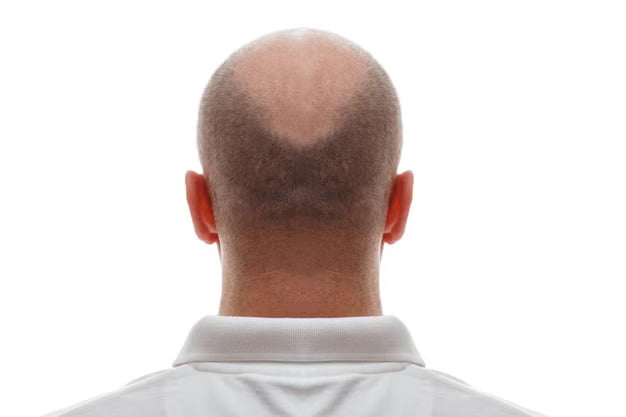
Hair transplant success does not end in the operating room. Hair Transplant Aftercare: Using Finlipro for Better Results explains how proper post-procedure care and the use of topical finasteride solutions like Finlipro can improve graft survival, support healthy hair growth, and protect long-term results. If you want thicker, more natural-looking outcomes, aftercare is just as important as the transplant itself.
Hair transplantation offers a permanent solution for hair loss, but the healing phase determines the final outcome. You must treat newly implanted grafts with care because they remain fragile during the first few weeks. Proper aftercare helps the follicles anchor securely and begin producing healthy hair.
Many patients underestimate this stage. They focus on the surgery and overlook recovery, which leads to avoidable complications. When you follow a structured aftercare plan, you reduce risks and maximize density.
After a transplant, your scalp enters a sensitive recovery phase. During this time, external factors can easily damage grafts. You need to create the right environment for healing and growth.
Here are the key reasons why aftercare plays a critical role:
Studies show that proper aftercare can improve graft survival rates by up to 15–20%. This difference significantly impacts final results.

Understanding the healing stages helps you manage expectations and follow the right routine. Each phase requires specific care and attention.
| Stage | Timeframe | What Happens | What You Should Do |
|---|---|---|---|
| Immediate Recovery | 1–3 days | Redness, swelling, sensitivity | Avoid touching, follow cleaning instructions |
| Early Healing | 4–10 days | Scabs form and fall off | Gentle washing, no scratching |
| Shedding Phase | 2–6 weeks | Transplanted hair sheds | Stay patient, continue care |
| Growth Phase | 3–6 months | New hair starts growing | Maintain scalp health |
| Maturation | 6–12 months | Hair thickens and strengthens | Support with treatments like Finlipro |
This structured approach ensures you stay consistent and avoid unnecessary stress.
You need to build a routine that protects your scalp and promotes healing. Small mistakes can compromise results, so consistency matters.
Follow these essential steps to ensure proper recovery:
Your lifestyle directly affects healing speed and graft success. You should temporarily avoid certain habits that can harm your scalp.
Consistency in these habits ensures stronger graft retention and better overall results.
Hair loss often continues even after a transplant because of dihydrotestosterone (DHT). This hormone weakens hair follicles and leads to thinning. Topical finasteride solutions like Finlipro target this issue directly on the scalp.
Finlipro is a topical formulation of finasteride. It reduces DHT levels locally without significantly affecting the entire body. This targeted approach helps protect both transplanted and existing hair.
Using Finlipro as part of your aftercare routine offers several advantages:
This localized treatment plays a key role in maintaining long-term density.
Timing matters when introducing any treatment after a transplant. You should not rush into applying products without medical approval.
Most specialists suggest starting topical finasteride after the initial healing phase. This typically means waiting at least 2–3 weeks.
Follow these guidelines for safe and effective use:
Incorrect use may reduce effectiveness or cause irritation.
You can enhance results by combining Finlipro with complementary therapies. A multi-approach strategy often delivers better outcomes.
Each method targets a different aspect of hair growth. Together, they create a stronger support system for transplanted grafts.
Start Finlipro only after your scalp fully heals and always consult your specialist before combining treatments. Personalized plans produce better and safer results than generic routines.
Many patients unknowingly make mistakes that reduce transplant success. Awareness helps you protect your investment.
Even small mistakes can lead to graft loss or uneven growth.
You should stay alert during the recovery process. Early detection of issues prevents complications.
If you notice any of these symptoms, contact your doctor immediately.
Hair transplantation offers permanent results, but maintenance ensures longevity. You need to protect both transplanted and native hair.
Long-term commitment ensures that your results remain natural and dense for years.
Nutrition directly affects hair strength and growth rate. Your body needs essential nutrients to support follicle activity.
A balanced diet complements your aftercare routine and improves outcomes.
Hair restoration is not only physical but also emotional. Many patients feel anxious during the shedding phase. You should understand that this stage is temporary and normal.
Patience plays a key role. Hair growth takes time, and visible results often appear after several months. Staying consistent with aftercare helps you stay confident throughout the process.
You can usually start after 2–3 weeks, once the scalp heals. Always follow your doctor’s advice for the best timing.
Topical finasteride generally causes fewer side effects than oral versions. However, mild scalp irritation may occur in some cases.
Transplanted hair is typically permanent, but surrounding hair may still thin. Using treatments like Finlipro helps protect overall density.
You can expect visible growth within 3–6 months. Full results usually appear after 9–12 months.
