
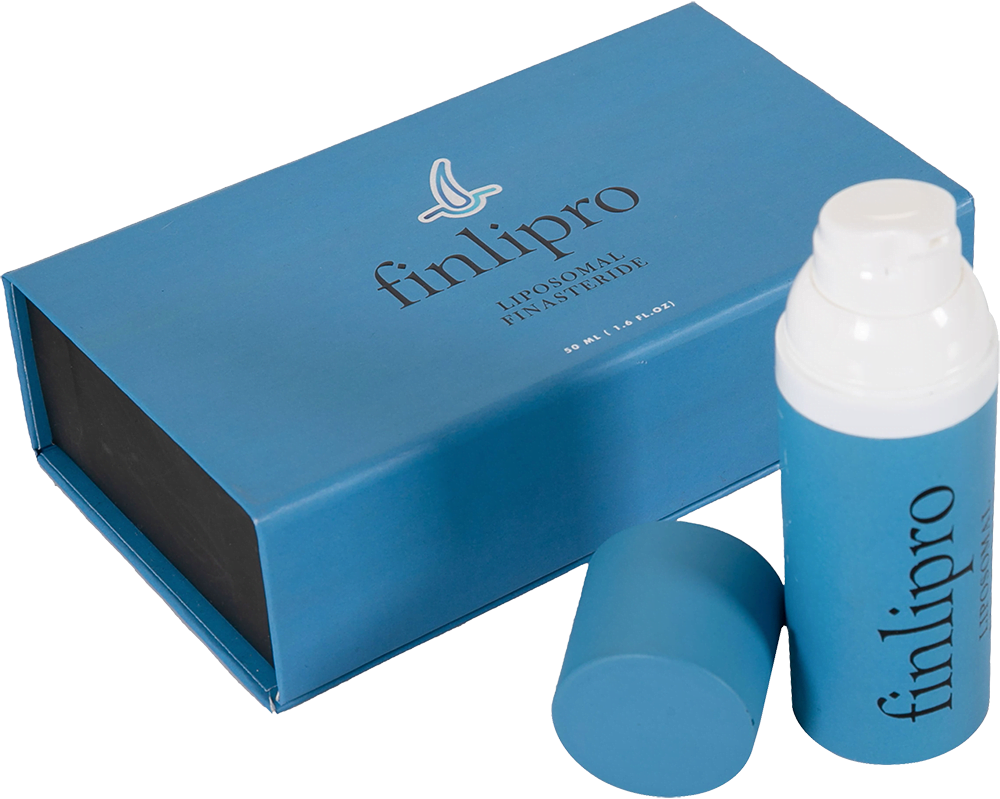
Hair loss affects millions of men and women worldwide, often leading to reduced confidence and emotional distress. One of the most effective ways to combat hair thinning is by targeting dihydrotestosterone (DHT), a hormone strongly linked to hair loss. Liposomal Finasteride has emerged as a promising solution that enhances delivery and efficacy while minimizing side effects. In this article, we explore how DHT impacts hair health, how liposomal delivery systems work, and practical insights for achieving better hair growth outcomes.
Dihydrotestosterone (DHT) is a powerful androgen hormone derived from testosterone. While DHT plays a crucial role in male development, excessive levels can shrink hair follicles and shorten the hair growth cycle. This process, known as miniaturization, gradually leads to thinner, weaker hair and, eventually, baldness.
Men are particularly susceptible to DHT-induced hair loss, but women can also experience thinning due to hormonal changes. Genetics plays a significant role in how sensitive your hair follicles are to DHT. For instance, studies show that individuals with a family history of androgenetic alopecia are at higher risk of DHT-related hair loss.
Reducing DHT levels in the scalp is therefore a critical strategy for preserving hair density. Finasteride, an FDA-approved DHT inhibitor, blocks the enzyme 5-alpha-reductase, which converts testosterone into DHT. By lowering DHT, finasteride helps maintain follicle size and extends the hair growth cycle.
Expert Tip: Measuring DHT levels through blood tests or scalp biopsies can help tailor treatments effectively. Early intervention often yields the best results.
Traditional oral or topical finasteride can have systemic side effects, including sexual dysfunction or hormonal imbalances. Liposomal delivery addresses these challenges by encapsulating the active ingredient in tiny lipid-based vesicles called liposomes.
Liposomes are biocompatible spheres that protect the drug from degradation and enhance absorption. When applied topically, liposomal finasteride penetrates the scalp more efficiently, delivering the active compound directly to the hair follicles. This targeted approach minimizes systemic exposure, reducing the likelihood of side effects.
Benefits of liposomal delivery include:
Clinical studies indicate that liposomal formulations can achieve higher local concentrations of finasteride in the scalp compared to standard topical solutions, improving hair density and thickness over time.
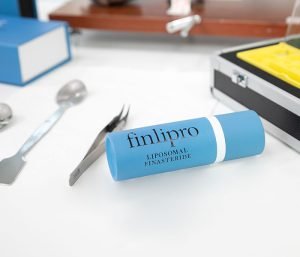
Liposomal finasteride works on multiple levels to support hair growth:
Dikkat Edilmesi Gerekenler: Overuse or incorrect application can compromise results. Follow product-specific instructions and avoid applying more than recommended.
| Feature | Traditional Finasteride | Liposomal Finasteride |
|---|---|---|
| Delivery | Oral or non-liposomal topical | Liposome-encapsulated topical |
| Bioavailability | Moderate | High at scalp level |
| Systemic Side Effects | Possible | Minimal |
| Targeted Action | Limited | Direct follicle targeting |
| Dosing Frequency | Daily | Often less frequent due to sustained release |
| Additional Benefits | None | Can carry extra nutrients for follicles |
This comparison highlights why liposomal finasteride has gained popularity among individuals seeking effective, safer, and more targeted hair loss solutions.
To get the best results from liposomal finasteride, consider these practical tips:
Sık Yapılan Hatalar: Many users stop early due to slow results. Hair growth is gradual; patience is essential for noticeable improvements.
While liposomal delivery reduces systemic risks, side effects can still occur, though rarely. Some users may experience mild irritation, redness, or itching at the application site. Serious side effects, such as sexual dysfunction or hormonal imbalances, are significantly lower than with oral finasteride.
Expert Tip: Consult a healthcare professional before starting finasteride, especially if you have pre-existing conditions or are on other medications.
Liposomal finasteride is most effective when combined with healthy hair practices:
These lifestyle adjustments complement DHT-targeted therapy, maximizing overall hair growth and scalp health.
Liposomal finasteride encapsulates the active drug in lipid vesicles, improving scalp absorption and reducing systemic side effects compared to oral or non-liposomal topical forms.
Most users notice visible improvements in hair density and thickness after 3–6 months of consistent use, with optimal results appearing around 12 months.
Topical liposomal finasteride may be safer for women due to reduced systemic absorption, but consultation with a healthcare professional is essential before use.
Side effects are generally mild, including local scalp irritation. Serious systemic effects are rare, but professional guidance is recommended for anyone concerned about hormone-related side effects.
