
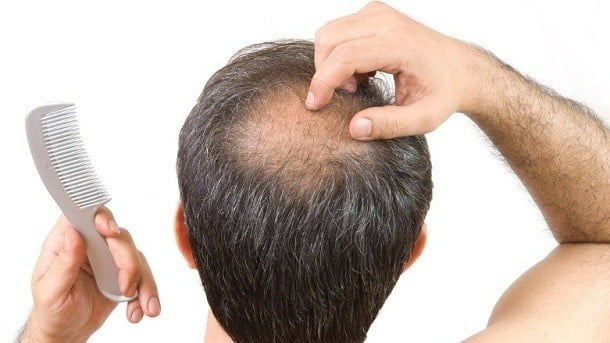
Hair loss affects millions of people worldwide, and modern aesthetic medicine now offers a wide range of solutions that go beyond traditional approaches. Hair Loss Treatment Options in Modern Aesthetics include surgical, non-surgical, and regenerative techniques that help restore hair density, improve scalp health, and support long-term results. Today, patients can choose personalized treatments based on their hair loss stage, lifestyle, and expectations.
In this comprehensive guide, we explore the most effective medical and aesthetic solutions, how they work, and what you should consider before choosing a treatment plan.

Modern hair restoration has evolved significantly over the last decade. Clinics now combine surgical precision with regenerative medicine to deliver more natural-looking outcomes and faster recovery times. Among all available options, hair transplantation remains one of the most reliable long-term solutions.
Hair transplant procedures focus on relocating healthy hair follicles from donor areas—usually the back or sides of the scalp—to thinning or balding regions. These follicles continue to grow naturally after transplantation, making the results permanent in most cases.
However, modern aesthetics does not rely solely on surgery. Today’s approach integrates multiple solutions such as:
Each method targets different stages and causes of hair loss. Dermatologists often combine these techniques to enhance outcomes and slow down further shedding.
Research published in dermatology journals shows that around 85% of men experience significant hair thinning by age 50, while nearly 40% of women face visible hair loss after menopause. These numbers highlight the growing demand for advanced restoration treatments.

A hair transplant is a minimally invasive surgical procedure that redistributes hair follicles from dense areas to thinning or bald regions. Surgeons design the hairline carefully to match facial structure, age, and natural hair direction.
The two most common techniques include:
FUE involves extracting individual follicular units using micro-punch tools. Surgeons then implant these follicles into recipient areas. This method leaves minimal scarring and offers a quicker recovery period.
FUT involves removing a strip of scalp from the donor area, dividing it into grafts, and implanting them into thinning regions. This method can provide a higher number of grafts in a single session but may leave a linear scar.
Hair transplant success depends heavily on donor hair quality, surgeon experience, and post-operative care. Patients who follow aftercare instructions typically achieve more natural density and higher graft survival rates.
Key steps of the procedure include:
Most patients notice visible growth within 3 to 4 months, while full results appear after 9 to 12 months.
Hair loss does not happen randomly. Modern aesthetic medicine identifies several biological and environmental triggers that contribute to thinning and shedding.
Common causes include:
A proper diagnosis plays a critical role in selecting the right treatment. Dermatologists often perform:
Accurate diagnosis ensures that patients receive targeted treatment instead of generic solutions. This increases success rates and prevents unnecessary procedures.
Not all patients require surgery. Many benefit from non-invasive or minimally invasive treatments that strengthen existing hair and stimulate growth.
PRP uses the patient’s own blood to extract growth factors. These are injected into the scalp to stimulate inactive follicles and improve blood circulation.
These advanced regenerative treatments aim to repair damaged follicles at a cellular level. They remain relatively new but show promising clinical results.
LLLT devices use red light wavelengths to improve follicle energy production. Patients often use laser caps or in-clinic devices.
Consistency plays a major role in non-surgical treatments. Patients must follow treatment schedules for at least 3–6 months to see visible improvement.
| Treatment Type | Method | Best For | Recovery Time | Results Duration | Key Advantage |
|---|---|---|---|---|---|
| FUE Hair Transplant | Follicle extraction and implantation | Advanced hair loss | 7–10 days | Permanent | Natural results |
| FUT Hair Transplant | Strip harvesting technique | High graft requirement | 10–14 days | Permanent | Higher graft yield |
| PRP Therapy | Growth factor injections | Early-stage thinning | 1–2 days | Temporary (maintenance needed) | Natural stimulation |
| Laser Therapy | Light stimulation | Mild hair loss | None | Continuous use required | Non-invasive |
| Medications | Topical/oral treatment | Early hair loss | None | Ongoing use | Easy application |
| SMP | Scalp pigmentation | Cosmetic density illusion | 1–3 days | Long-lasting | Immediate visual density |
Understanding the timeline helps patients manage expectations realistically. Hair restoration is a gradual process, not an instant transformation.
Typical progression after treatment:
Patients should avoid comparing early-stage results with final outcomes. Hair growth follows natural biological cycles and requires patience.
Clinics increasingly use digital scalp mapping and AI-based analysis to predict outcomes more accurately. These tools help personalize treatment plans and improve success rates.
Modern aesthetic medicine focuses on both cosmetic improvement and long-term scalp health.
Choosing a qualified and experienced specialist significantly reduces these risks.
Successful hair restoration depends not only on the procedure but also on lifestyle consistency. Patients who maintain a healthy diet rich in protein, iron, and vitamins often experience stronger and longer-lasting results. Hydration and stress management also play a critical role in hair follicle health.
Long-term success requires commitment and proper medical guidance.
Yes, modern techniques like FUE create natural hairlines when performed by experienced surgeons.
Hair transplants provide permanent results because transplanted follicles resist hair loss hormones.
Patients usually feel minimal discomfort during PRP sessions, and no downtime is required.
Yes, women benefit from both surgical and non-surgical hair restoration methods depending on diagnosis.
