
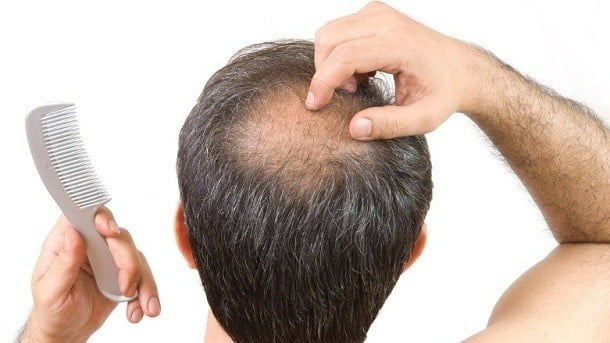
Combining different hair loss treatments can help improve results by targeting hair loss from multiple angles. Combining Different Hair Loss Treatments for Better Results is an approach that focuses on using complementary methods such as topical solutions, oral medications, lifestyle adjustments, and supportive therapies to create a more effective hair restoration strategy. Many people experience better outcomes when treatments address both the causes and symptoms of hair thinning.
Hair loss is a complex condition influenced by genetics, hormones, scalp health, nutrition, and lifestyle factors. A single treatment may provide benefits, but combining scientifically supported approaches can improve the chances of maintaining existing hair and encouraging healthier growth. Understanding how treatments work together allows individuals to make more informed decisions about their hair care journey.

Topical finasteride has become an increasingly discussed option in modern hair loss management because it delivers finasteride directly to the scalp. Unlike traditional oral finasteride, which circulates throughout the body, topical formulations aim to concentrate the active ingredient where hair loss occurs.
Finasteride works by reducing the activity of the enzyme 5-alpha reductase, which converts testosterone into dihydrotestosterone (DHT). Elevated DHT levels contribute to follicle miniaturization in people with androgenetic alopecia, commonly known as male pattern hair loss.
Research suggests that topical finasteride may reduce scalp DHT levels while potentially limiting systemic exposure compared with oral administration. This makes it an option that many individuals discuss with dermatologists when looking for targeted hair loss solutions.
Topical finasteride is a hair loss treatment formulated as a liquid, spray, gel, or foam that users apply directly to the scalp. The medication works on the hair follicles by inhibiting DHT production in the application area.
The main goal of topical finasteride is to slow down hair follicle shrinkage and help preserve existing hair density. It does not create instant results because hair growth follows a natural cycle. Most hair treatments require consistent use for several months before noticeable improvements appear.
Common components of a topical finasteride treatment plan may include:
Many specialists consider topical finasteride as part of a broader hair restoration plan rather than a standalone solution. Combining it with other evidence-based approaches can address different stages of the hair growth cycle.

Hair loss usually develops through several interconnected mechanisms. Genetics, hormonal sensitivity, inflammation, scalp conditions, and nutrient deficiencies can all influence follicle health. Because multiple factors contribute to thinning hair, a combination approach can provide broader support.
For example, one treatment may reduce DHT activity while another improves blood circulation around follicles. Another method may support scalp health or provide essential nutrients required for normal hair growth.
A combined treatment strategy may include:
The most effective treatment plans usually focus on the specific cause of hair loss rather than applying the same solution to every individual.
One of the most common combinations in hair restoration is topical finasteride with minoxidil. These treatments work through different mechanisms, which makes them complementary.
Minoxidil primarily supports the growth phase of hair follicles by improving follicle activity and extending the anagen phase of the hair cycle. Topical finasteride focuses on reducing DHT-related follicle damage.
| Treatment | Primary Function | Main Target | Common Benefit |
|---|---|---|---|
| Topical Finasteride | Reduces DHT activity | Hormonal hair loss pathway | Helps protect follicles from miniaturization |
| Minoxidil | Stimulates follicle activity | Hair growth cycle | Encourages thicker and longer-lasting growth |
| Microneedling | Activates scalp response | Scalp environment | Supports follicle stimulation |
| Low-Level Laser Therapy | Improves cellular activity | Follicle metabolism | May support healthier growth conditions |
Using both finasteride and minoxidil allows users to approach hair loss from two different biological pathways. However, consistency remains essential because stopping treatment can gradually reverse the benefits.
Modern hair loss care often includes multiple supportive methods. These approaches do not replace medical treatments but may improve overall scalp conditions.
Microneedling involves creating controlled micro-injuries on the scalp using specialized devices. This process may stimulate natural repair mechanisms and increase the release of growth factors.
Some studies indicate that microneedling combined with minoxidil may produce better results than minoxidil alone. The technique should always follow proper hygiene practices to reduce the risk of irritation or infection.
Low-level laser therapy (LLLT) uses specific wavelengths of light to stimulate cellular activity in hair follicles. Many devices are designed for home use, including laser caps and comb systems.
This method may support:
Results vary between individuals, and consistent use plays an important role in effectiveness.
Hair follicles require adequate nutrients to function properly. Deficiencies in iron, vitamin D, zinc, and protein can contribute to increased shedding.
A balanced approach includes:
Hair treatments work best when the body has the resources needed to support healthy follicle function.
Every person’s hair loss pattern is different. A treatment plan that works well for one individual may not provide the same results for another person.
A professional evaluation can help identify:
A dermatologist or hair restoration specialist can recommend the most suitable combination based on individual needs.
Although combining treatments can improve outcomes, using multiple products without proper planning may cause unnecessary problems. Some individuals combine too many products at once and struggle to determine which treatment helps or causes side effects.
Introduce new treatments carefully and monitor your scalp response.
Important points to consider:
Hair growth is a gradual process. Most treatments require patience because follicles operate through repeating growth cycles.
Many people make avoidable mistakes when managing hair loss. Understanding these errors can improve treatment success.
Hair follicles need time to respond. Visible improvements often require several months of consistent treatment.
Applying numerous treatments simultaneously may irritate the scalp and make it difficult to identify effective solutions.
Hair restoration requires commitment. Discontinuing effective treatments prematurely may prevent users from experiencing their full benefits.
Treating symptoms without understanding the reason behind hair loss can reduce effectiveness. Genetic hair loss, stress-related shedding, and nutritional deficiencies require different approaches.
Hair restoration continues to evolve with advances in biotechnology and personalized medicine. Researchers are exploring new delivery methods, improved topical formulations, regenerative therapies, and customized treatment plans.
Future approaches may combine traditional medications with advanced technologies such as artificial intelligence-based diagnosis tools and personalized scalp analysis systems.
The growing focus on individualized treatment means patients can increasingly receive solutions designed around their specific hair loss patterns.
Yes, many hair loss treatment plans combine topical finasteride with minoxidil because they work through different mechanisms. One helps reduce DHT activity while the other supports follicle growth stimulation.
Most people need several months of consistent use before noticing visible changes. Hair growth cycles vary, so patience and regular application are important.
Topical finasteride may reduce systemic exposure compared with oral forms, but it can still have potential side effects. A healthcare professional can help determine the most suitable option.
Yes, healthy nutrition, stress management, proper sleep, and scalp care can support overall hair health and improve the environment for treatment success.
