
Male pattern baldness is the most common cause of hair loss in men, and The Role of DHT in Male Pattern Baldness explains why this condition develops over time. Dihydrotestosterone (DHT), a hormone derived from testosterone, gradually shrinks genetically sensitive hair follicles, leading to thinner hair and eventual hair loss. Understanding how DHT affects the scalp helps individuals make informed decisions about prevention, treatment, and long-term hair preservation.
Hair loss affects millions of men worldwide, often beginning in their twenties or thirties. While genetics remain the primary factor, hormones play an equally significant role in determining how quickly hair loss progresses. DHT has become the focus of countless scientific studies because researchers consistently identify it as one of the leading biological causes behind androgenetic alopecia.
Rather than viewing hair loss as an unavoidable part of aging, modern medicine now offers evidence-based treatments that target its root cause. Learning how DHT works and how medications such as Finasteride reduce its effects allows patients to take action before permanent follicle damage occurs.

Dihydrotestosterone, commonly known as DHT, is an androgen hormone produced when the enzyme 5-alpha reductase converts testosterone into a more potent form. Although DHT plays an essential role during puberty by supporting male sexual development and body hair growth, its impact on scalp hair differs significantly.
Hair follicles located on the scalp contain androgen receptors. In individuals with a genetic predisposition to male pattern baldness, these receptors become highly sensitive to DHT. Instead of stimulating healthy growth, DHT gradually weakens follicles by shortening the hair growth cycle.
Over time, healthy thick hairs become thinner, lighter, and shorter. This process, known as follicular miniaturization, eventually causes follicles to stop producing visible hair altogether. Without treatment, this progression continues throughout adulthood.
Research published in dermatology journals consistently demonstrates that reducing scalp DHT levels slows follicle miniaturization and preserves existing hair. Early intervention often delivers the best long-term outcomes.
Not every man experiences significant hair loss despite having normal DHT levels. Genetics determine how sensitive hair follicles become to the hormone rather than the total amount of DHT circulating in the body.
Several factors influence this sensitivity:
Because genetics determine follicle response, two men with similar hormone levels may experience completely different patterns of hair loss.
A common misconception suggests that higher testosterone automatically causes baldness. Scientific evidence does not support this belief. Instead, susceptibility depends largely on how follicles react to DHT exposure over many years.
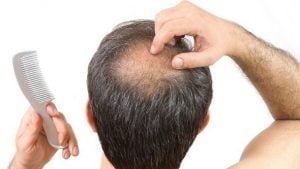
Recognizing early symptoms helps individuals begin treatment before significant follicle damage occurs.
Common warning signs include:
Hair loss caused by DHT usually develops gradually rather than suddenly. Many men overlook the earliest stages because daily changes appear minimal. Comparing photographs taken several months apart often reveals noticeable progression.
Finasteride remains one of the most thoroughly researched medications for androgenetic alopecia. Rather than stimulating new hair directly, it targets the hormonal process responsible for follicle shrinkage.
Finasteride blocks Type II 5-alpha reductase, the enzyme responsible for converting testosterone into DHT. By lowering DHT production, the medication reduces ongoing damage to genetically vulnerable follicles.
Clinical studies show that Finasteride can reduce scalp DHT levels by approximately 60–70%, helping many patients maintain existing hair while encouraging thicker growth from weakened follicles.
The treatment generally follows this timeline:
| Treatment Period | Expected Changes |
|---|---|
| 1–3 months | Hair shedding may temporarily stabilize or slightly increase. |
| 3–6 months | Hair loss usually slows noticeably. |
| 6–12 months | Hair thickness often improves in responsive patients. |
| After 12 months | Maximum visible results commonly appear with consistent use. |
Consistency plays a crucial role because discontinuing treatment allows DHT levels to return to their previous state, which may restart hair loss progression.
Finasteride works best for men experiencing early or moderate androgenetic alopecia. Patients who begin treatment while follicles remain active often achieve better outcomes than those with extensive long-term baldness.
Ideal candidates typically include:
Younger patients frequently experience stronger preservation of existing hair because their follicles have undergone less irreversible miniaturization.
However, Finasteride is not appropriate for everyone. Women who are pregnant or may become pregnant should avoid handling crushed or broken tablets due to potential risks to fetal development. Medical consultation remains essential before beginning treatment.
Many hair restoration specialists recommend combining therapies to improve overall outcomes.
Treatment plans may include:
Each option addresses different aspects of hair loss. While Finasteride targets hormonal causes, complementary treatments may improve circulation, stimulate follicles, or restore areas with permanent follicle loss.
Combination therapy often produces more noticeable improvements than relying on a single intervention alone.
Medication offers substantial benefits, but healthy habits also contribute to stronger hair growth.
Helpful lifestyle practices include:
Although lifestyle changes cannot eliminate genetic hair loss, they help create healthier conditions for existing follicles.
Regular scalp care also supports overall hair health. Gentle cleansing removes excess oil while maintaining a balanced scalp environment.
Dermatologists often recommend documenting hair growth with standardized monthly photographs taken under identical lighting conditions. Visual comparisons provide a far more accurate assessment than relying on memory, especially because improvements develop gradually over several months.
Before beginning any medical treatment for hair loss, keep these points in mind:
Many patients stop treatment too early because they expect immediate changes. Hair follicles require time to recover from prolonged DHT exposure.
Several misunderstandings prevent individuals from achieving optimal results.
One common mistake involves waiting until significant baldness develops before seeking treatment. Once follicles disappear completely, medication cannot restore them.
Another frequent error involves discontinuing Finasteride after a few months due to perceived lack of improvement. Most clinical studies indicate that meaningful changes become visible only after several months of continuous use.
Some individuals also believe natural supplements can replace clinically proven medications. While certain supplements support general hair health, current scientific evidence consistently shows that DHT-targeting therapies remain among the most effective options for androgenetic alopecia.
Finally, many people underestimate the importance of professional diagnosis. Hair loss can result from nutritional deficiencies, thyroid disorders, autoimmune diseases, or stress-related conditions rather than male pattern baldness alone.
Hair restoration research continues advancing rapidly. Scientists are investigating new methods for selectively blocking DHT within the scalp while minimizing systemic exposure.
Emerging therapies include improved topical Finasteride formulations, novel enzyme inhibitors, regenerative medicine, stem-cell technologies, and advanced follicle regeneration research. Although many remain under clinical evaluation, these innovations may expand future treatment options for patients experiencing androgenetic alopecia.
Researchers also continue studying personalized medicine approaches that identify which patients respond best to specific therapies based on genetic profiles and hormone sensitivity.
No. Genetics determine how sensitive hair follicles are to DHT. Many men have normal or even high DHT levels without experiencing significant hair loss.
Most patients notice reduced hair shedding within three to six months, while visible improvements in hair density often appear after six to twelve months of consistent treatment.
Finasteride primarily slows or stops ongoing hair loss and may thicken miniaturized hairs. It cannot fully restore areas where hair follicles have permanently disappeared.
Yes. Starting treatment during the early stages of androgenetic alopecia helps preserve active follicles before irreversible miniaturization occurs, improving the likelihood of long-term hair retention.
