
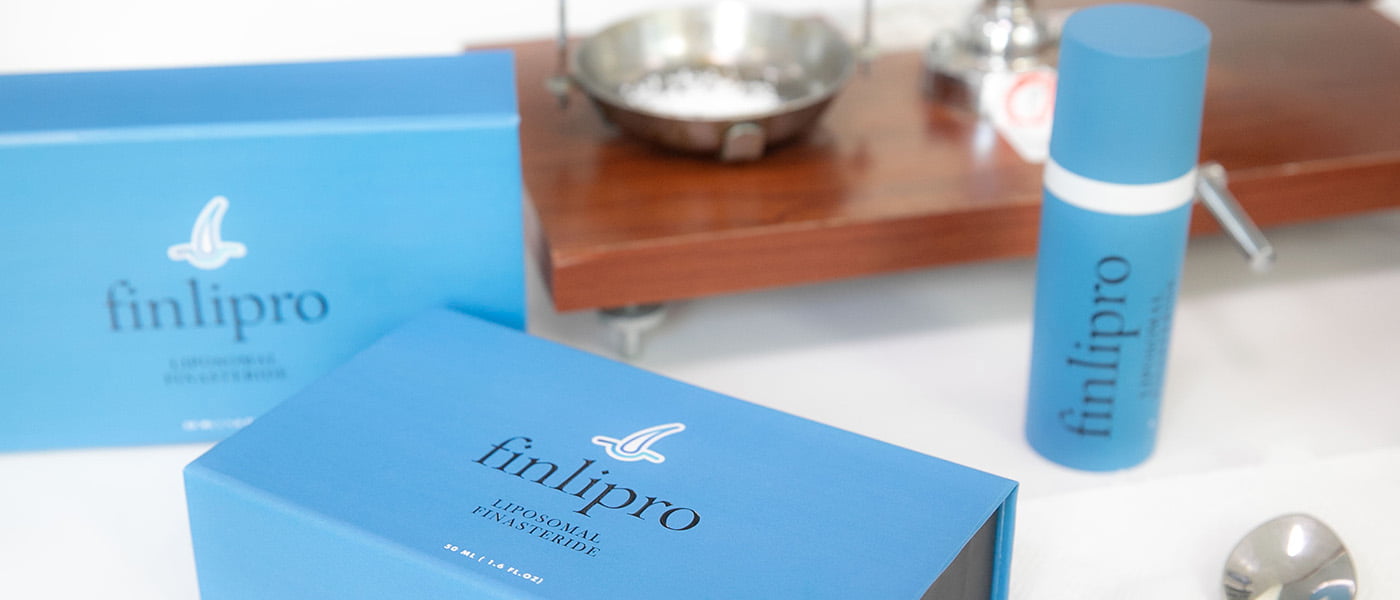
The Efficacy of the association of topical minoxidil refers to how well topical minoxidil works alone and in combination with other treatments such as topical finasteride for hair loss management. Research shows that combining topical minoxidil with finasteride can significantly improve hair density, reduce hair shedding, and enhance regrowth compared to using either treatment alone, especially in androgenetic alopecia.

Hair loss, particularly androgenetic alopecia, affects millions of men and women worldwide. Dermatologists often recommend topical treatments because they act directly on the scalp and reduce systemic side effects. Among these options, minoxidil remains the cornerstone treatment.
The Efficacy of the association of topical minoxidil becomes more relevant when clinicians combine it with anti-androgen therapies such as finasteride. This combination targets hair loss through two different biological pathways: stimulation of follicular growth and reduction of DHT levels.
Topical minoxidil works by improving blood flow to hair follicles and prolonging the anagen (growth) phase. Finasteride, on the other hand, blocks the conversion of testosterone into dihydrotestosterone (DHT), which is responsible for follicle miniaturization.
Together, these mechanisms create a synergistic effect that enhances overall hair regrowth outcomes.
Minoxidil has been used for decades as a first-line therapy for hair loss. It is available in 2% and 5% concentrations, with the 5% solution generally showing stronger results in clinical studies.
The mechanism includes:
Clinical research shows that approximately 40–60% of users experience visible improvement after consistent use for 3–6 months.
However, minoxidil alone does not address hormonal causes of hair loss. This limitation leads to the increasing popularity of combination therapy.
Topical finasteride has gained significant attention in recent years as a safer alternative to oral finasteride. It directly targets DHT production in the scalp while minimizing systemic absorption.
Studies indicate that topical finasteride can reduce scalp DHT levels by up to 40–70%, depending on formulation strength and application method.
Its effectiveness includes:
When evaluating the Efficacy of the association of topical minoxidil, topical finasteride plays a crucial role because it complements minoxidil’s growth-stimulating effects with hormonal control.
Key advantages of topical finasteride
Despite these advantages, absorption variability remains a challenge, and results can differ based on formulation quality.
Yes, topical finasteride remains effective, especially when used consistently and correctly. Dermatological research published in recent years confirms that it maintains significant DHT suppression at the scalp level.
However, its effectiveness depends on several factors:
The Efficacy of the association of topical minoxidil improves significantly when topical finasteride is included in a structured regimen. Patients with early-stage hair loss tend to respond better than those with advanced follicular miniaturization.
Limitations to consider
The combination therapy works because it targets two different pathways:
Minoxidil:
Finasteride:
When combined, these effects create a dual-action system that both protects existing hair and promotes new growth.
This synergy explains why the Efficacy of the association of topical minoxidil is significantly higher than monotherapy in many clinical observations.
Several clinical studies support combination therapy. While exact results vary, most show improved outcomes compared to single-agent treatments.
A summarized comparison:
Minoxidil alone: 40–60% response rate
Finasteride alone (topical): 50–65% stabilization rate
Combined therapy: up to 80% improvement in density and reduction in shedding
Researchers also observe faster visible results when both treatments are used together, often within 3–4 months.
These findings reinforce the growing clinical preference for combination therapy in androgenetic alopecia management.
| Treatment Type | Main Action | Time to Results | Effectiveness Level | Side Effects Risk |
|---|---|---|---|---|
| Topical Minoxidil | Stimulates hair growth | 3–6 months | Moderate | Low |
| Topical Finasteride | Blocks DHT locally | 2–4 months | Moderate to High | Low to Moderate |
| Oral Finasteride | Systemic DHT reduction | 3–6 months | High | Moderate |
| Combined Therapy | Dual mechanism (growth + DHT control) | 2–4 months | Very High | Low to Moderate |
This table clearly demonstrates why the Efficacy of the association of topical minoxidil is considered superior in modern dermatology practice.
Patients who start early typically achieve better outcomes compared to those with advanced alopecia.
Both minoxidil and topical finasteride are generally well tolerated when used correctly. However, some users may experience mild side effects.
Minoxidil side effects:
Topical finasteride side effects:
It is important to monitor any adverse reactions, especially during the first few weeks of use.
The Efficacy of the association of topical minoxidil remains high precisely because the topical route minimizes systemic exposure compared to oral alternatives.
To maximize results, users should follow a structured routine:
Consistency plays a critical role in achieving visible improvement.
Dermatology specialists emphasize several optimization strategies:
These strategies significantly enhance the Efficacy of the association of topical minoxidil in real-world use.
Avoiding these mistakes is essential for long-term success.
Hair growth treatments require patience. Typical timelines include:
4–8 weeks: reduced shedding
3–4 months: early regrowth signs
6–12 months: visible density improvement
12+ months: stabilization and maintenance phase
The Efficacy of the association of topical minoxidil becomes most noticeable after consistent long-term use.
Hair loss affects self-esteem and confidence significantly. Successful treatment often improves:
Patients who respond well to combination therapy often report higher satisfaction compared to monotherapy users.
Research continues to improve topical formulations. Emerging trends include:
These innovations aim to further enhance the Efficacy of the association of topical minoxidil in future clinical practice.
The combination of minoxidil and topical finasteride represents one of the most effective non-surgical approaches to treating androgenetic hair loss. By addressing both follicular stimulation and hormonal suppression, this dual therapy offers superior results compared to single treatments.
The Efficacy of the association of topical minoxidil continues to be supported by clinical research, dermatologist recommendations, and real-world patient outcomes. With consistent use, proper application, and realistic expectations, users can achieve meaningful improvements in hair density and overall scalp health.
What makes topical minoxidil effective for hair loss?
Topical minoxidil increases blood flow to hair follicles and extends the growth phase, helping reactivate inactive follicles and improve hair density.
Can topical finasteride replace oral finasteride?
Topical finasteride offers similar local DHT reduction with fewer systemic side effects, but its effectiveness may vary depending on formulation and usage.
How long does it take to see results with combination therapy?
Most users notice reduced shedding within 2–3 months and visible regrowth within 4–6 months of consistent use.
Is long-term use of minoxidil and finasteride safe?
Yes, both treatments are generally safe for long-term use when applied correctly under dermatological guidance.
