
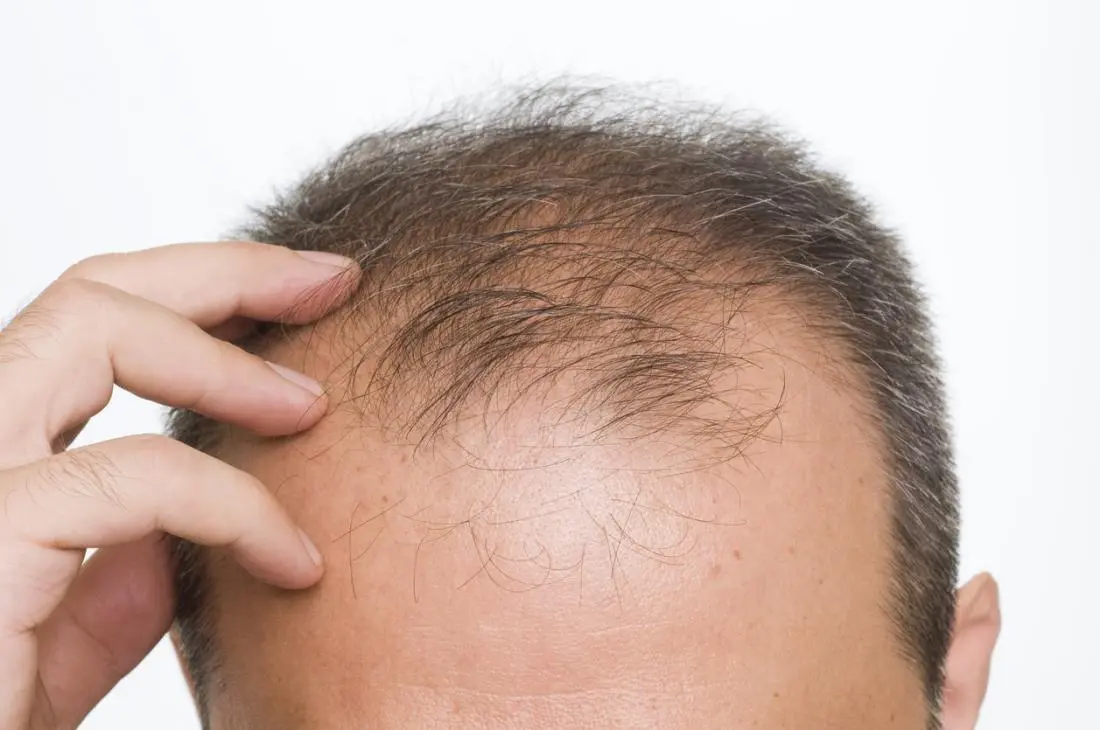
Hair Loss & Thinning is a common condition that affects both men and women and often results from genetics, hormones, stress, or lifestyle factors. It describes gradual or sudden reduction in hair density and can usually be managed effectively with early diagnosis and proper treatment.
Hair shedding becomes a concern when you notice visible scalp, widening part lines, or increased hair on pillows and showers. Dermatologists emphasize that early intervention improves outcomes significantly, especially in androgenetic alopecia and stress-related hair loss.
Dermatologists approach hair loss by first identifying the underlying cause rather than immediately prescribing a single solution. They evaluate scalp health, medical history, hormonal balance, and nutritional status to build a targeted treatment plan.
One of the most common causes of Hair Loss & Thinning is androgenetic alopecia, also known as male or female pattern baldness. This condition is driven by sensitivity to dihydrotestosterone (DHT), a hormone that shrinks hair follicles over time.
Another frequent trigger is telogen effluvium, which occurs after stress, illness, surgery, or hormonal changes. In this case, hair follicles enter a resting phase prematurely, leading to diffuse shedding.
Dermatologists often recommend a combination of medical treatments and lifestyle adjustments:
A proper diagnosis is critical because misidentifying the cause can lead to ineffective treatments and wasted time.
Dermatologists usually perform:
These steps help determine whether the condition is temporary or progressive.
Male pattern baldness is the most common form of Hair Loss & Thinning in men, affecting nearly 50% of men by age 50 according to dermatological studies. It usually begins with a receding hairline or thinning at the crown.
Men often seek treatment when hair loss becomes visible, but early intervention produces significantly better results.
Two primary clinically approved treatments dominate male hair loss therapy:
Minoxidil improves blood flow to the scalp and prolongs the growth phase of hair follicles. Finasteride reduces DHT levels, slowing follicle shrinkage.
Men can support treatment outcomes by:
For advanced cases, hair transplantation provides a permanent solution. Surgeons relocate healthy follicles from donor areas to thinning regions. Techniques like FUE (Follicular Unit Extraction) offer natural-looking results with minimal scarring.
Multiple internal and external factors contribute to Hair Loss & Thinning, often acting together.
Genetics plays the strongest role in androgenetic alopecia. If close family members experience baldness, the likelihood increases significantly.
Hormones such as DHT, estrogen, and thyroid hormones directly influence follicle activity. Thyroid disorders often cause diffuse thinning across the scalp.
Hair follicles require consistent nutrients to maintain growth. Common deficiencies include:
Chronic stress triggers cortisol production, which disrupts the hair growth cycle. Poor sleep, smoking, and irregular diet also accelerate shedding.
Certain conditions can worsen hair loss:
Managing Hair Loss & Thinning requires consistency and a combination of therapies.
Hair restoration is a slow process. Most treatments require:
Patience is essential for success.
Diet plays a major role in preventing Hair Loss & Thinning. Hair is primarily made of keratin, a protein that depends on proper nutrient intake.
Modern dermatology offers advanced solutions for persistent Hair Loss & Thinning.
Platelet-rich plasma therapy uses growth factors from your blood to stimulate hair follicles. It improves density and thickness over multiple sessions.
Laser devices stimulate cellular activity in hair follicles and increase blood flow to the scalp.
Both methods restore permanent hair in bald areas, with FUE being more popular due to faster recovery.
| Treatment Option | How It Works | Best For | Results Timeline | Limitations |
|---|---|---|---|---|
| Minoxidil | Stimulates follicle blood flow | Early-stage thinning | 3–6 months | Requires continuous use |
| Finasteride | Reduces DHT hormone | Male pattern baldness | 6–12 months | Possible hormonal side effects |
| PRP Therapy | Growth factor stimulation | Moderate thinning | 3–6 sessions | Expensive |
| Hair Transplant | Follicle relocation | Advanced baldness | 6–12 months | Surgical procedure |
| Laser Therapy | Cellular stimulation | Mild thinning | 3–6 months | Needs regular sessions |
Start treatment early before follicles miniaturize permanently. Early intervention significantly increases success rates.
Be consistent with medication because irregular use reduces effectiveness of treatments like minoxidil.
Monitor scalp health regularly to detect inflammation, dandruff, or infections early.
Combine treatments instead of relying on a single method for better long-term results.
Many people worsen Hair Loss & Thinning due to incorrect habits:
Avoiding these mistakes improves recovery speed and hair density outcomes.
You should consult a specialist if:
Early diagnosis prevents permanent follicle damage.
Sustaining results from Hair Loss & Thinning treatment requires long-term planning. Dermatologists often recommend maintenance therapy even after visible improvement.
This may include continued use of minoxidil, periodic PRP sessions, or lifestyle adjustments to prevent relapse.
Consistency matters more than intensity in hair restoration.
What is the main cause of hair loss and thinning?
The most common cause is androgenetic alopecia, which results from genetic sensitivity to DHT hormone. Stress, nutritional deficiencies, and medical conditions also contribute significantly.
Can hair loss be reversed completely?
Early-stage Hair Loss & Thinning can often be reversed or significantly improved with treatment. However, advanced follicle damage may require transplant solutions.
How long does hair regrowth take?
Most treatments show initial improvement within 3–4 months, but visible density improvements usually take 6–12 months.
Are natural remedies effective for hair loss?
Natural remedies like oils and scalp massage can support scalp health but cannot replace medical treatments for moderate or severe hair loss.

U.S. Support 213-298-6733
© 2023 finlipro All rights reserved.